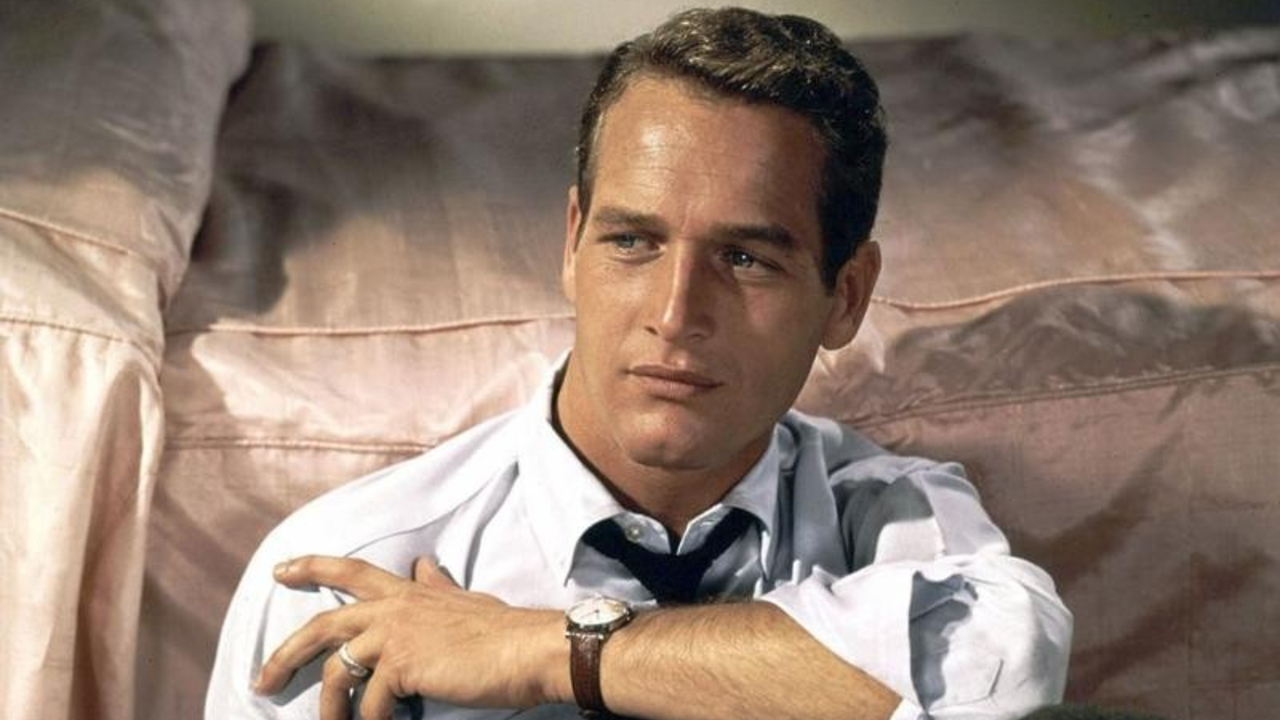
Paul Newman spent decades as one of Hollywood’s most admired leading men, but the attention that came with that status never sat comfortably with him. Audiences saw a charismatic movie star with unforgettable blue eyes and an effortless screen presence. Newman, however, often viewed his celebrity status through a far less glamorous lens.
His most candid thoughts on fame emerged after his death in ‘The Extraordinary Life of an Ordinary Man,’ the 2022 memoir compiled from private tapes the actor recorded in the 1980s. Rather than celebrating the perks of stardom, Newman reflected on the compromises it demanded, describing fame as both “a dream and a nightmare.” Read on to get the lowdown.
Paul Newman Saw Fame As A Performance He Never Wanted To Give
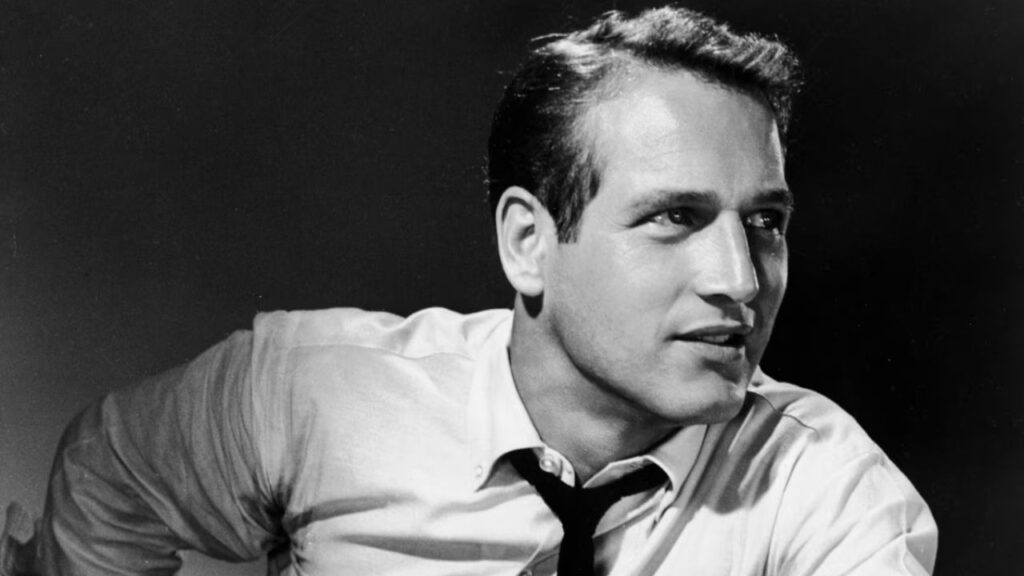
Newman believed one of the hardest parts of being famous was the expectation that he should always be available to the public. In the memoir, he wrote that smiling for photographers rarely came from genuine happiness and felt like an obligation.
Related: How A Clash With Paul Newman Cost Steve McQueen ‘Butch Cassidy And The Sundance Kid’
“Smiling for the cameras is a smile that doesn’t come from anywhere except a command,” he said, adding that there was “no mirth in it.” In an interview with TIME magazine, he admitted that the spectacle surrounding major film festivals could be both intoxicating and unsettling.
Walking the red carpet at Cannes, surrounded by roaring crowds, flashing cameras, and blaring music, gave him a fleeting sense of grandeur. But he also recognized how quickly that feeling could distort a person’s sense of self, calling fame both a “dream and a nightmare.”
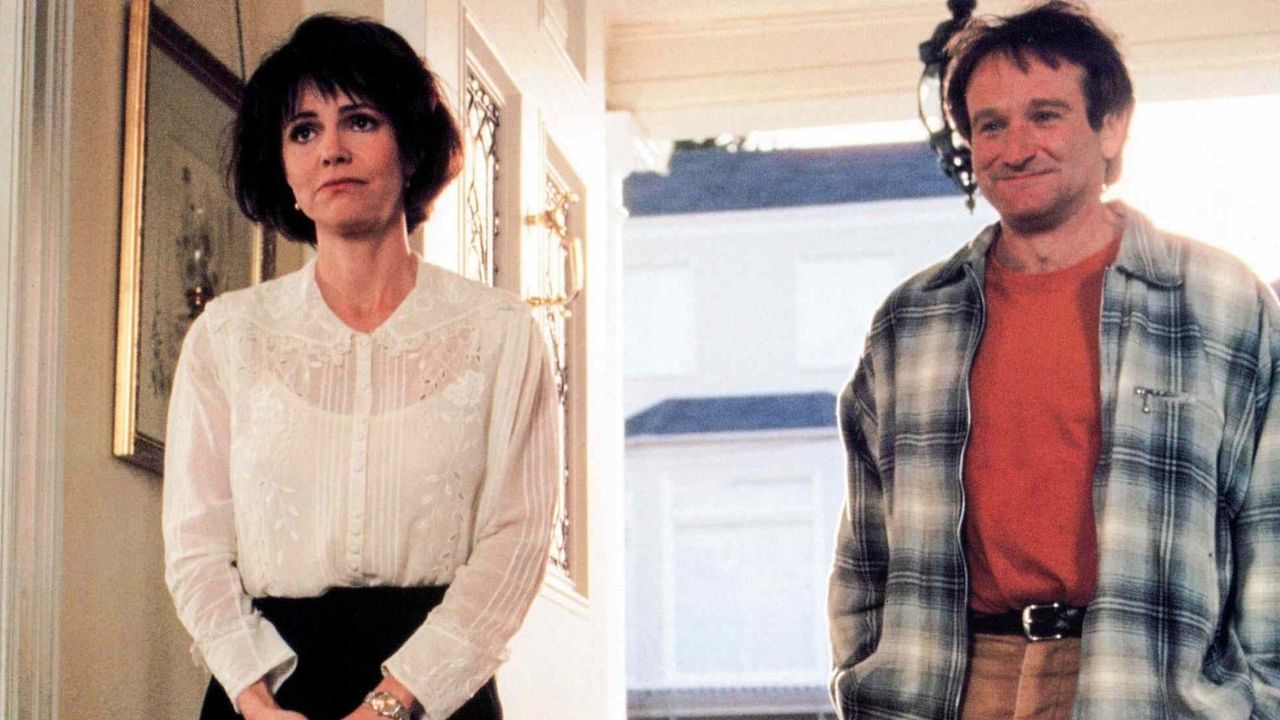
That contradiction became even clearer during filming of ‘Mr. and Mrs. Bridge.’ The schedule brought him to Paris where he was joined by his wife, Joanne Woodward. While hoping to avoid a confrontation with photographers, Woodward suggested they stop briefly and pose at the airport before leaving.
Newman agreed, expecting the photographers to move on afterward. Instead, they followed the couple to their car, then to the Ritz Hotel, continuing to take pictures. Frustrated, Newman demanded that the hotel staff find a private exit so they could leave unnoticed.
After preparing an elaborate escape through a service elevator the next morning, he discovered there were no photographers waiting outside after all. Looking back, he admitted he felt embarrassed by his own outburst, but the incident captured how exhausting constant public attention had become.
The Hidden Man The Public Never Knew
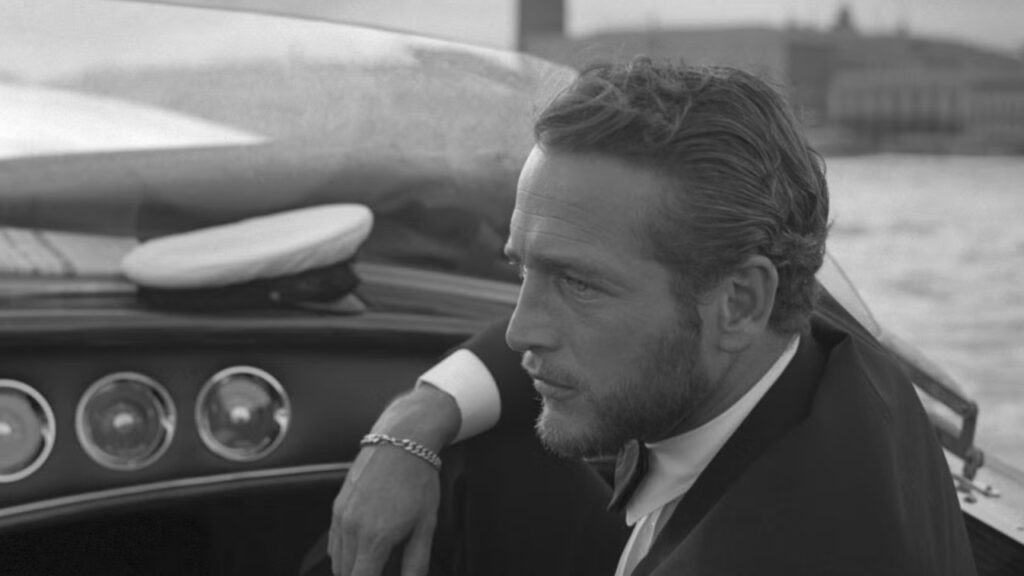
While fans admired the confident movie star they saw on screen, Newman often felt they were responding to a carefully built image rather than the person behind it. The distinction mattered to him because he never believed that his public version reflected who he actually was.
In Case You Missed It: Paul Newman Called Turning Down This Classic Movie A “Dumb, Dumb Mistake”
The memoir also sheds light on the self-doubt that followed Newman throughout his career. Despite becoming one of Hollywood’s biggest stars, he wrestled with feelings of inadequacy and what many would now describe as imposter syndrome.
He questioned whether he deserved the admiration he received and worried that audiences had created an idealized version of him that no real person could match. His admiration for Marlon Brando grew from that mindset.
Newman respected Brando for refusing to play by Hollywood’s publicity rules, rejecting the endless interviews and promotional rituals that studios expected from their stars. To Newman, Brando proved that an actor could challenge those expectations instead of accepting them as part of the job.
That same philosophy shaped Newman’s attitude toward fans seeking photographs or autographs. He acknowledged that some people considered him rude for refusing, but he argued that saying yes to every request inevitably attracted a crowd.
What looked like a brief interaction quickly became an hour of posing, signing, and making conversation with strangers. Newman admitted he wished he could enjoy those moments, but he simply couldn’t. Nevertheles, the actor believed that his inability to do so did not make him a bad person.
How Newman Weaponized His Fame
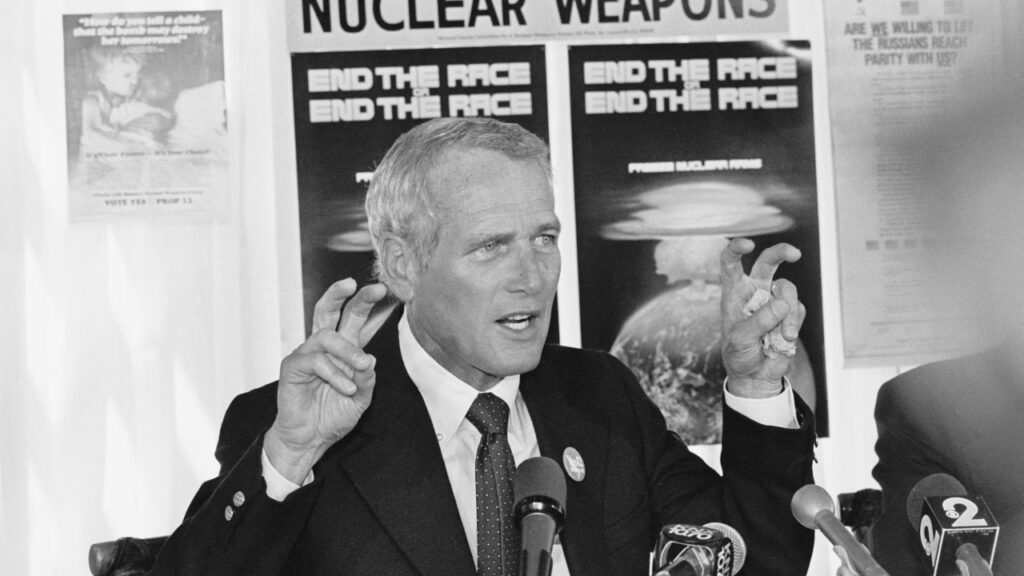
As Newman grew older, his relationship with fame gradually changed. He never embraced the loss of privacy, but he began to see popularity as something that could open doors beyond the film industry. His name carried enough influence to help secure projects he believed in.
But its greatest value came through philanthropy. Rather than treating fame as an achievement, Newman viewed it as a platform that could generate lasting benefits for others. That outlook became most visible through Newman’s Own, a food company launched with a simple line of salad dressings.
It became a global success, with every dollar of profit dedicated to charitable causes. The brand’s popularity was tied to Newman’s reputation, and he realized that it would have been far harder to reach the same audience without his status.
In the end, Newman never claimed to enjoy being famous. The memoir paints a portrait of a man who valued privacy more than recognition and authenticity more than admiration. Yet he also recognized that celebrity could accomplish something worthwhile.
Fame may have remained a burden throughout much of his life, but Paul Newman ultimately found peace by turning it into a force that benefited people far beyond Hollywood.
You Might Also Like To Read: Buster Keaton’s 5 Most Death-Defying Movie Stunts That Still Astonish Audiences Today