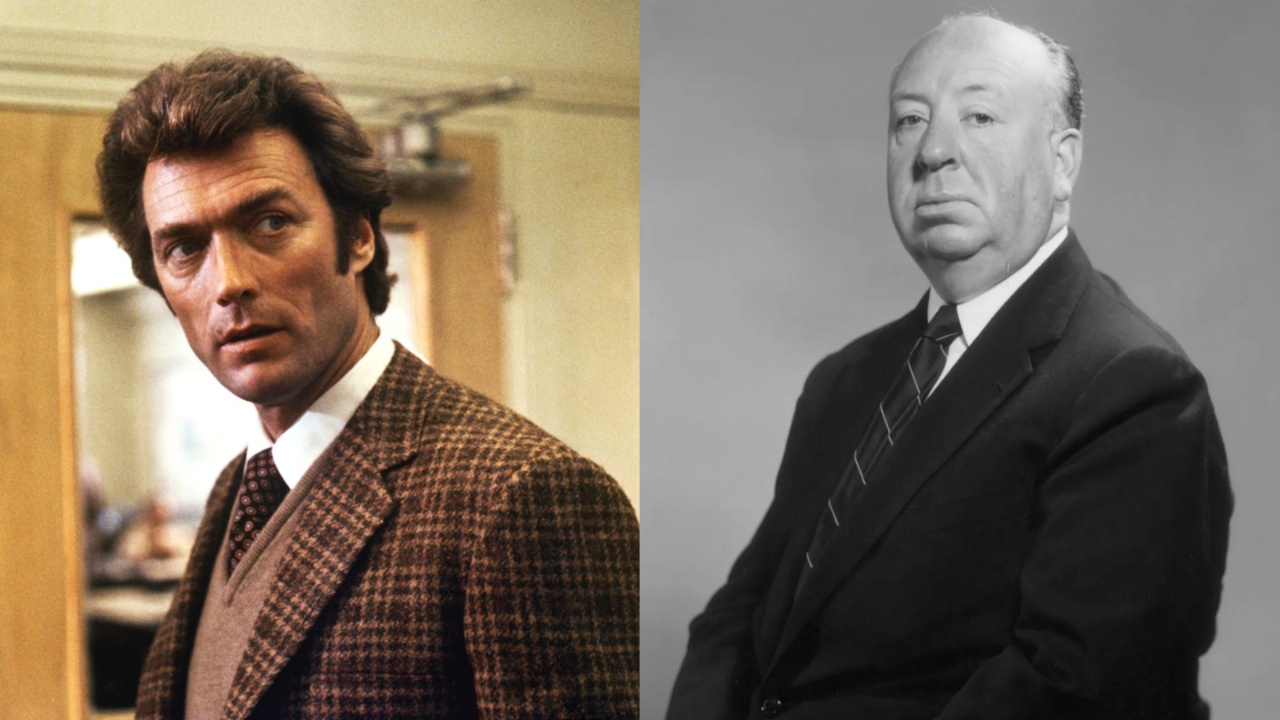
In the history of movies, few “what ifs” are as interesting as the idea of Alfred Hitchcock directing Clint Eastwood. It seems like a perfect match, but even with rumors going around and a brief period of genuine interest, it never happened.
The reason Eastwood said no to a rare offer from the Master of Suspense is not really about ego. It is more about two very different directorial styles that, at the time, just did not line up.
Why Clint Eastwood Turned Down Alfred Hitchcock’s ‘Topaz’ Offer
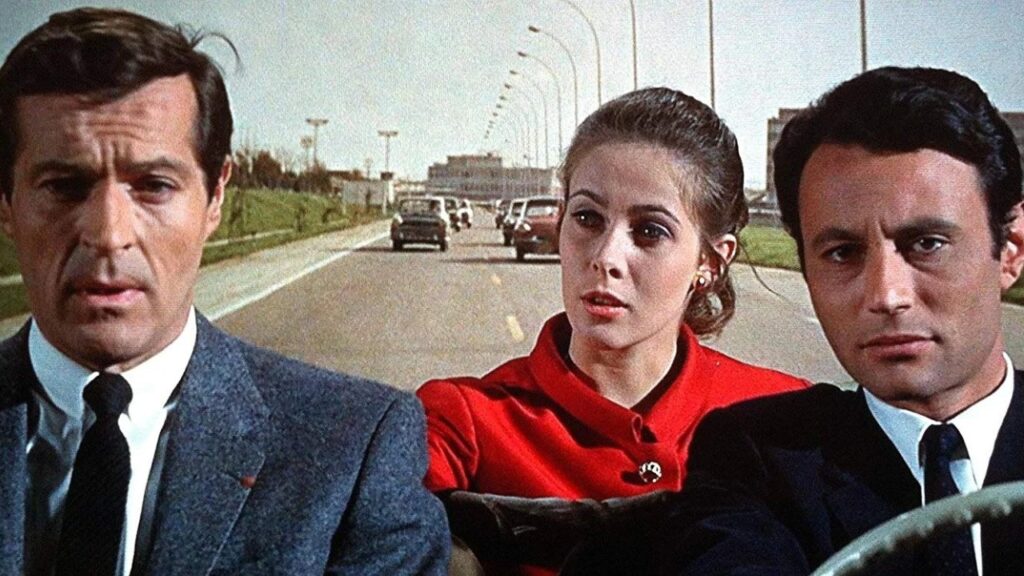
The story of the “offer” usually points to one movie, the 1968 thriller ‘Topaz‘. Hitchcock was in his late 60s and wanted to adapt Leon Uris’s Cold War spy novel. Like he always did, he started looking for leading men. For the part of CIA agent Michael Nordstrom, Hitchcock reportedly had Eastwood in his sights. It made sense, even if it was a little unusual. Eastwood was becoming a huge star through Sergio Leone’s “Dollars Trilogy.” He brought a quiet, morally gray coolness to the screen that Hitchcock often liked.
Related: Why Grace Kelly’s Hollywood Comeback with Alfred Hitchcock Never Happened
But the “turn down” is where the stories do not match the facts. Newer research suggests it was not really a direct “no” from Eastwood. It was more that the deal never got off the ground. Biographers note that while Hitchcock admired Eastwood’s star power, the two men never actually sat down to negotiate a deal for ‘Topaz‘. The common story that Eastwood refused to work under Hitchcock’s controlling style might be an exaggeration. Eastwood was known for being efficient and giving minimal direction. That would have been very different from Hitchcock’s detailed and often obsessive planning.
Clint Eastwood’s Rising Career and Creative Differences with Alfred Hitchcock
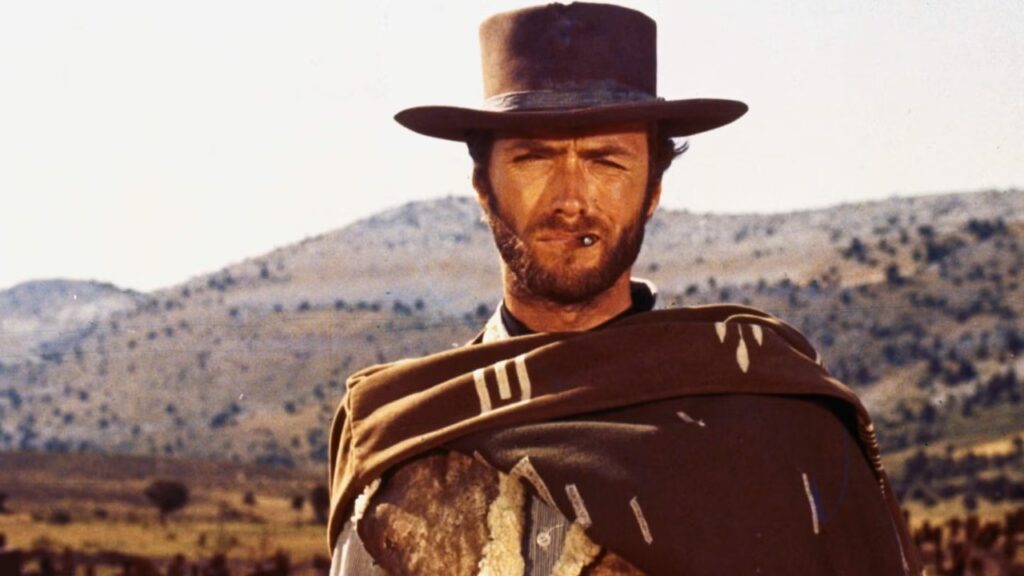
The truth is that Eastwood’s people likely passed on the project because of scheduling and creative fit. By 1968, Eastwood was not just an actor; he was becoming a director himself. He had just made his first movie, ‘Play Misty for Me‘, and was busy building his production company, Malpaso. He was also tied to a heavy schedule of Westerns and action movies, which were his main work. Taking a supporting role in a spy thriller directed by a man who controlled every detail was simply not where Eastwood wanted his career to go.
In case you missed it: How Alfred Hitchcock Helped Shape Queer Horror Long Before Hollywood Embraced It
There is also the issue of creative ego. When Hitchcock did meet with Eastwood later, for a different project or a possible future one, the mood was reportedly uncomfortable. Sources close to Eastwood have noted that he found Hitchcock’s habit of “treating actors like cattle” completely opposite to his own work ethic. Eastwood liked a set where actors could work together and find their characters naturally. Hitchcock, on the other hand, saw actors as pieces on a board, carrying out a vision he had already finished in his head.
What Film Fans Lost When Alfred Hitchcock and Clint Eastwood Never Collaborated
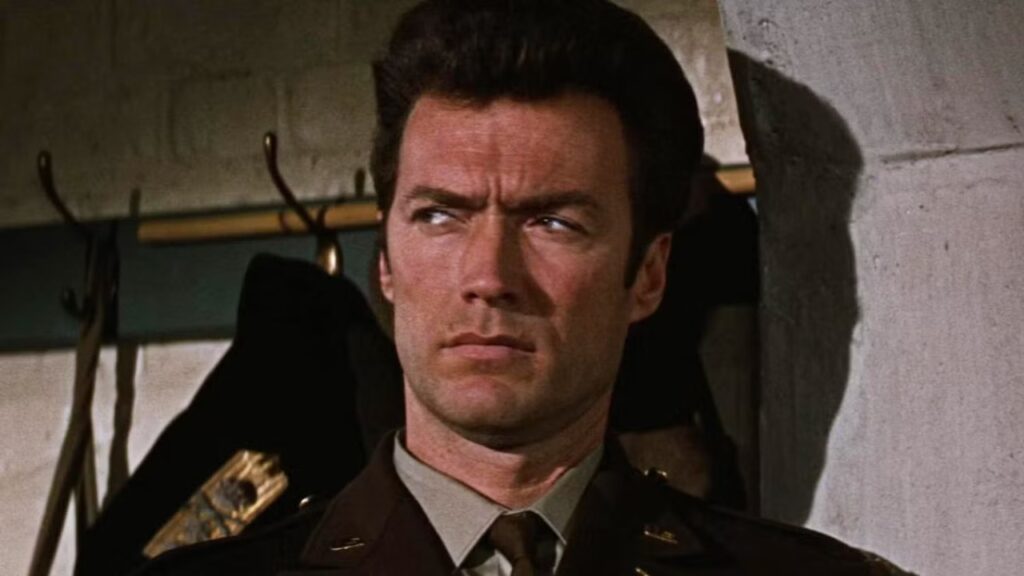
In the end, Frederick Stafford got the part in ‘Topaz‘, and that sealed the fate of this legendary “what if.” Eastwood went on to star in ‘Where Eagles Dare‘ and ‘Coogan’s Bluff‘, making his action-hero status even stronger. The missed chance between Hitchcock and Eastwood stays a fascinating side note in film history.
It shows that even the most logical artistic partnerships can fall apart because of timing, personality, and the simple fact that two giants of cinema often have very different ideas of what makes a good day at work. They never worked together, but their legacies are still tied together in the minds of movie fans who wonder about the film that never was.
You might also want to read: Steven Spielberg Borrowed Alfred Hitchcock’s Greatest Trick to Save ‘Jaws’