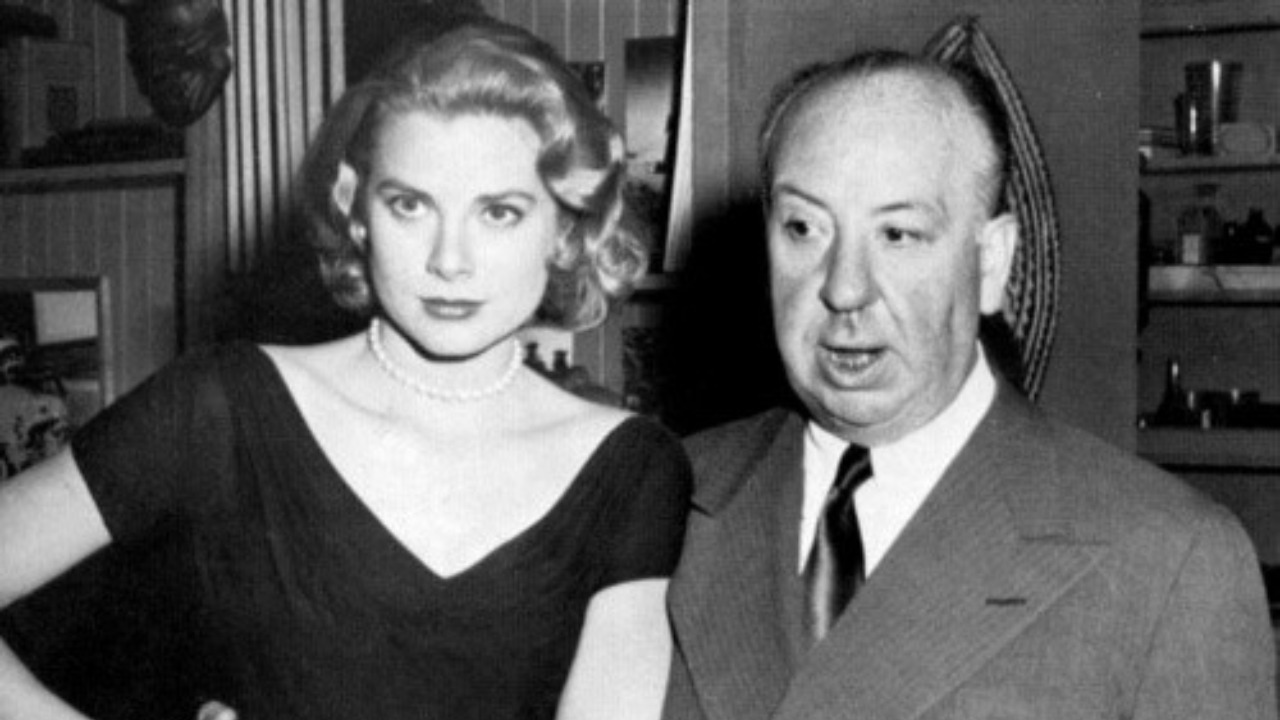
By the time Alfred Hitchcock found the right project to bring Princess Grace back to the screen, the world had already decided she belonged to Monaco.
In the spring of 1962, Hollywood was watching closely. Word had leaked from the palace that Grace Kelly, the Oscar-winning actress who had walked away from one of the most dazzling careers in cinema to marry a prince, was thinking about coming back. The director who had made her a star was calling again. In fact, he had a part that seemed built for the dark, sensual quality he always thought she was hiding beneath that cool, polished surface.
The film was ‘Marnie,’ and the director was Alfred Hitchcock. The reunion never happened, and it remains one of the great what-ifs in Hollywood history.
How Alfred Hitchcock Tried to Bring Grace Kelly Back
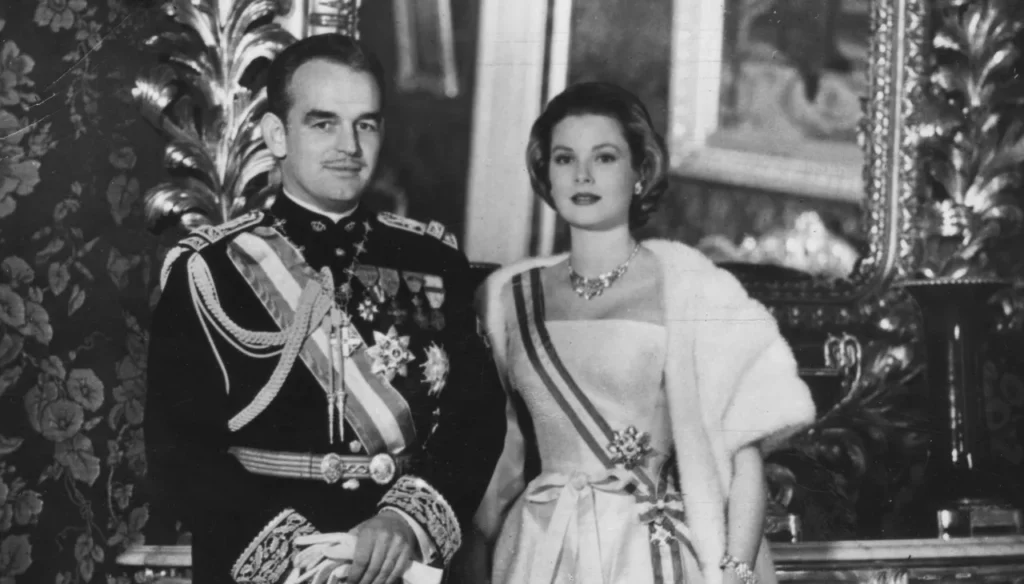
Kelly had left acting in 1956, at just 26, when she married Prince Rainier III of Monaco. She stepped away completely, and for years it looked like she was never coming back. Three films with Hitchcock, ‘Dial M for Murder‘, ‘Rear Window‘, and ‘To Catch a Thief’, had made her his definitive blonde muse, and he never really found anyone who measured up to her. Hitchcock even admitted it openly. Years later, while talking about ‘Rear Window,’ he admitted that long stretches of the film worked mainly because Grace Kelly was simply so compelling to watch.
Related: How Alfred Hitchcock Helped End the CIA’s Hollywood Anonymity
So when an MCA agent quietly hinted in 1961 that Kelly might be willing to return, Hitchcock moved fast. He had recently picked up the rights to Winston Graham’s novel Marnie, a psychologically layered story about a compulsive thief whose troubled past keeps her trapped. The part called for intelligence, glamour, and a real capacity for vulnerability. He thought Kelly had all of it. As a result, he sent the material to her New York agents and waited.
At first, she said yes.
Grace Kelly’s Hollywood Comeback
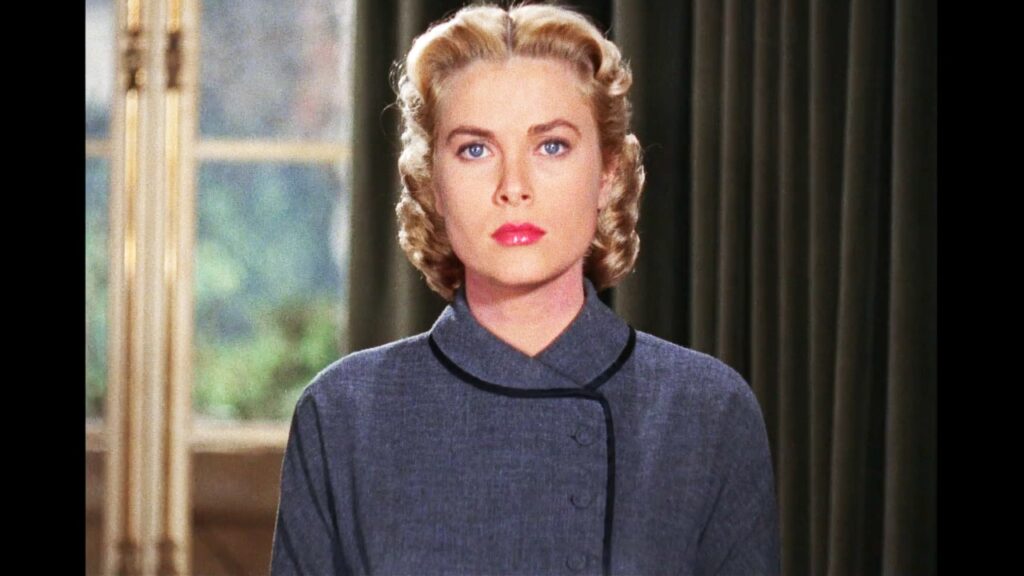
The news hit hard. Newspapers from London to Los Angeles ran with the story. Graham’s literary agents were flooded with requests for serial rights, the kind of attention, one spokesperson noted, that only a star of Princess Grace’s stature could generate twice for the same book. A Hollywood contract dispute broke out almost immediately, with MGM claiming that Kelly’s original studio deal, which had been suspended rather than cancelled when she left for Monaco, gave them first rights to her work. Hitchcock shut that down by pointing out that a contract from 1953 had no legal standing after seven years.
In case you missed it: How Alfred Hitchcock Helped Shape Queer Horror Long Before Hollywood Embraced It
There were other complications. Kelly’s reported salary of one million dollars plus a cut of profits led to speculation that Monaco’s shaky finances were the real reason she was coming back. Prince Rainier called that “ridiculous nonsense” and said his wife simply wanted to visit her American family during their yearly vacation. He also highlighted that Hitchcock had agreed to work the shoot around that trip. Kelly herself said almost nothing in public and let the rumors run.
Why Grace Kelly Turned Down ‘Marnie’
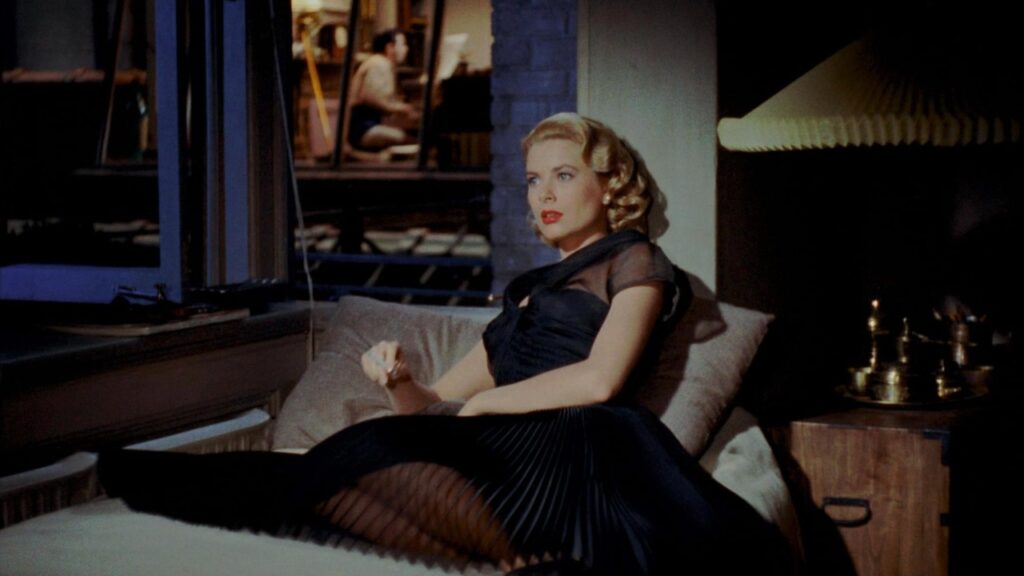
But the biggest problem was one that no amount of money or scheduling could fix. The people of Monaco did not want their princess playing a thief and making love to Sean Connery on a Hollywood soundstage. The opposition inside the principality was strong. On top of that, Kelly apparently felt she needed to stay by her husband’s side during a tense stretch of diplomatic trouble between Monaco and France, which had suddenly ended a longstanding tax agreement with the tiny nation and put it under serious political pressure.
In June 1962, more than a year before filming began, Kelly wrote to Hitchcock and pulled out. The palace pointed to scheduling conflicts. Hitchcock was less careful about his words in private. His screenwriter Joseph Stefano remembered his reaction well. “He was more hurt than angry. He had invested his very special passion in something over several weeks. He was abruptly informed that she wasn’t going to be involved, and his comment was, ‘They probably got the money from somewhere else.’“
The Legacy of Grace Kelly’s Final Hollywood Chapter
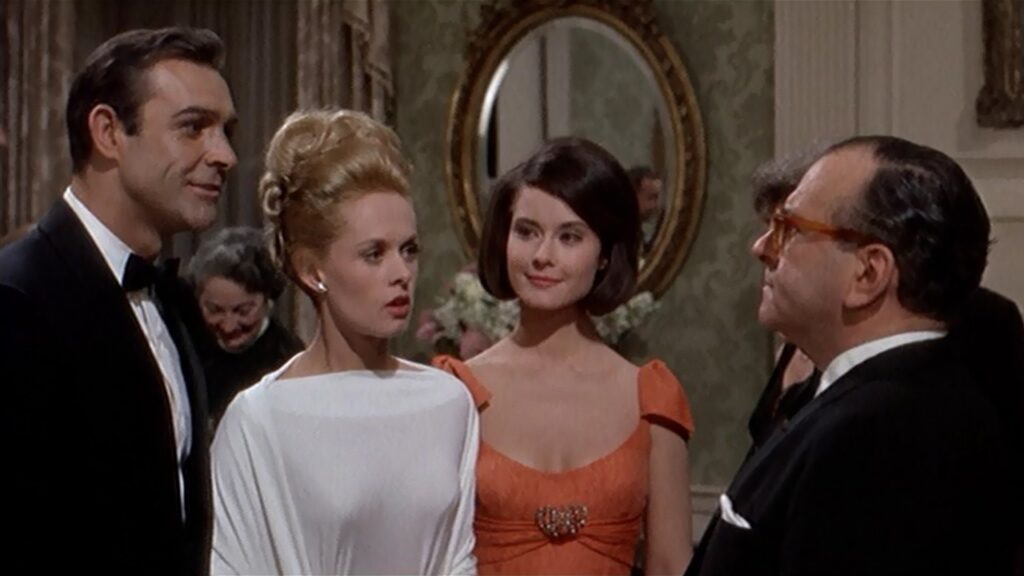
The part went to Tippi Hedren, who had just finished ‘The Birds‘. Her performance split critics, and some could not help comparing her to the woman she had replaced. A Variety review pointed out directly that Hedren was “undertaking a role originally offered Grace Kelly for a resumption of her screen career.“
Kelly never made another feature film. She narrated a documentary in 1977 and appeared briefly in a short film a couple of years before she died in a car accident in 1982. But the comeback Hitchcock had worked so carefully to arrange never came together. What is left is Marnie as it stands, a difficult, flawed, and genuinely interesting film, and the question of what it might have looked like with the director’s original muse at the center of it.
For Hitchcock, it was the collaboration he never got over. For Grace Kelly, it was the door she chose to leave closed, whether out of duty, politics, or because Monaco had claimed her more fully than Hollywood ever did.
You might also want to read: The Alfred Hitchcock Movie Ruined by 100 Uncooperative Cats