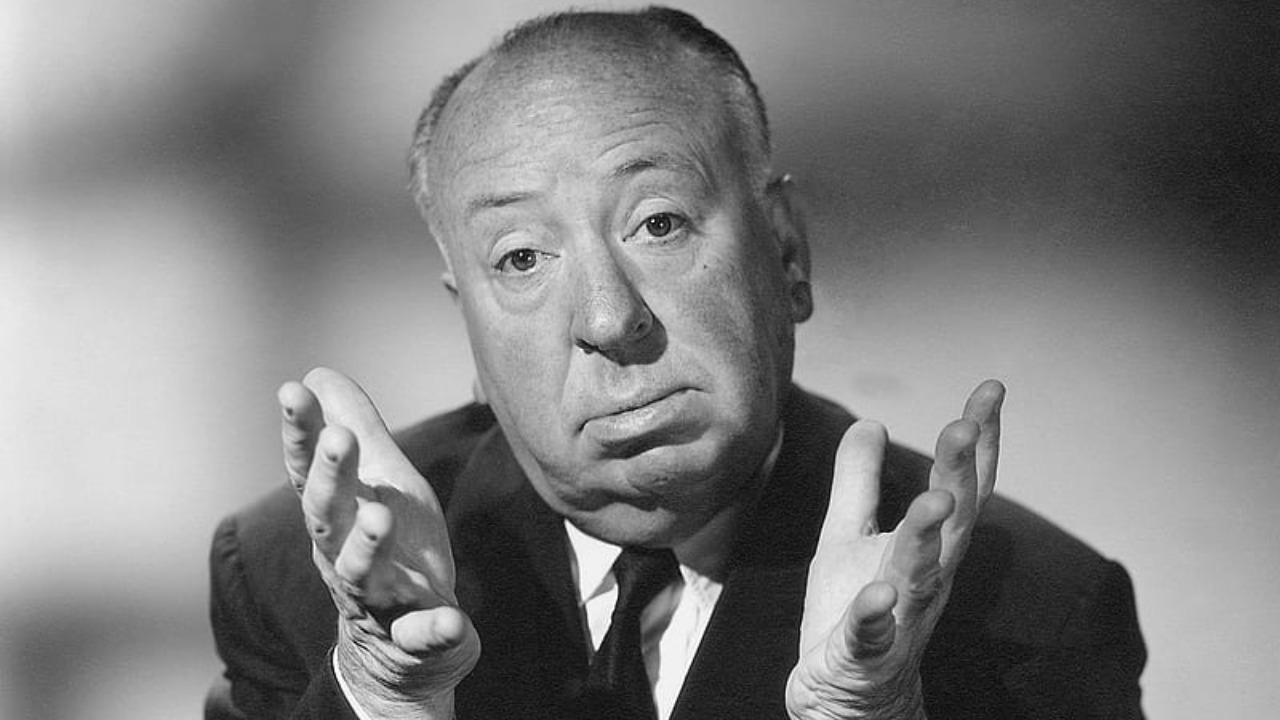
It was the summer of 1966, and the students of Cambridge University were gathered in Lady Mitchell Hall for a rare appearance by the most famous director in the world. Alfred Hitchcock, the Master of Suspense, was there for a Q&A session. His round silhouette was as unmistakable as the dark, wry wit found in films like ‘Psycho‘ and ‘The Birds.‘
Among them was a second-year undergrad named Christopher Frayling. That meeting would become a puzzle that stuck with him for the rest of his life, eventually taking him forty years to solve.
The Strange Encounter Outside Lady Mitchell Hall
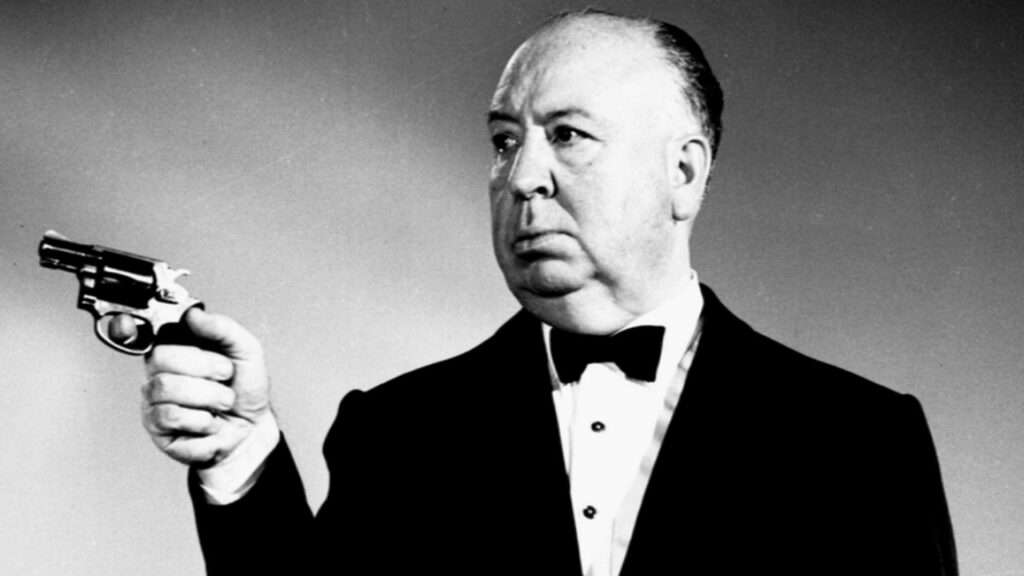
Frayling was a wide-eyed movie lover who would later become a well-known writer and educationalist. But back then, he found himself face-to-face with Hitchcock after the session. The director stood there in his usual outfit: a dark blue suit, a crisp white shirt, and a silk tie, with a copy of The Times sticking out of his pocket.
Related: How a Forgotten 1940 Alfred Hitchcock Film Inspired Christopher Nolan’s Most Intense War Movie
Frayling was awestruck and tongue-tied, trying hard to think of something to say. Maybe it was just nerves, but as he looked at Hitchcock, he started to hum. The tune was easy to recognize: the opening bars of Gounod’s Funeral March of a Marionette. It was the spooky, whimsical theme song from Hitchcock’s long-running TV show, ‘The Alfred Hitchcock Hour‘.
According to a story Frayling later wrote for The Guardian, the director smiled. He paused, then, with that deadpan look of a man who had spent his whole life messing with audiences, he turned his head and said one strange word: “Sunrise…” And then he was gone, lost in the crowd.
What did Hitchcock Mean by the “Sunrise” Quote
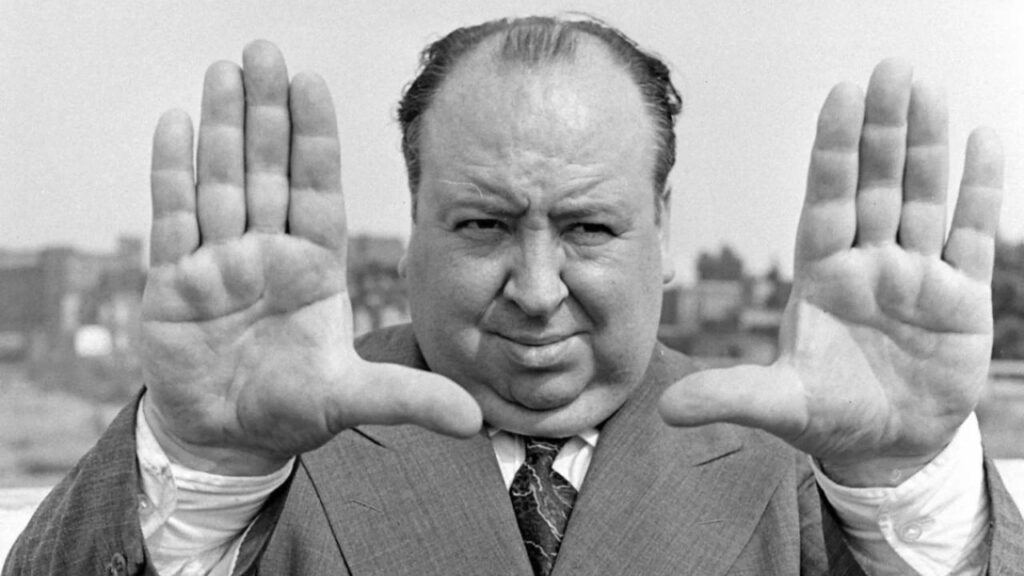
“I hadn’t a clue what he meant by this,” Frayling said later. He figured it must be like ‘Citizen Kane’s “Rosebud,” some private secret loaded with meaning. For years, he turned the word over in his head. Was it about a time of day? A deep thought about his movies? Or just a random, weird thing from a master of mischief.
In case you missed it: The Surprising Accident That Turned Alfred Hitchcock Into Hollywood’s Master of Suspense
The mystery followed Frayling through his whole career. He would go back to that memory from Cambridge every now and then, but he always hit the same wall. Why would a man famous for shadows and murder, after hearing the theme from his own show, talk about the dawn?
The Eureka Moment 40 Years Later
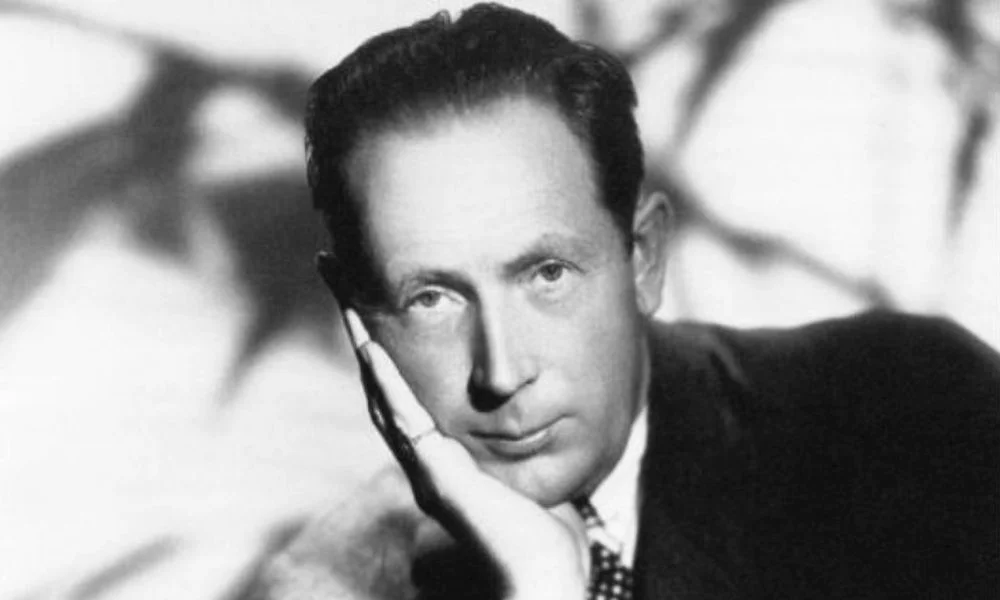
The answer finally came the way answers often do in Hitchcock’s world: through a piece of art. Forty years after that day in Lady Mitchell Hall, a friend sent Frayling a DVD. The movie was ‘Sunrise’ from 1927, directed by German expressionist pioneer F.W. Murnau.
As Frayling watched Murnau’s silent masterpiece, he got to a certain scene; a peasant couple visits a photographer’s studio and accidentally knock over a prop, a headless Winged Victory sculpture. As the chaos unfolds, the music swells. It was Gounod’s Funeral March of a Marionette.
It was the exact same tune Frayling had hummed to Hitchcock on that sidewalk in 1966. “He was trying to let me know – with a characteristically mysterious flourish – that Sunrise was where he’d found the music, that a distant memory of Murnau’s film had originally inspired him,” Frayling wrote. He finally understood what that one word meant.
Hitchcock’s Clever Nod to His Influences
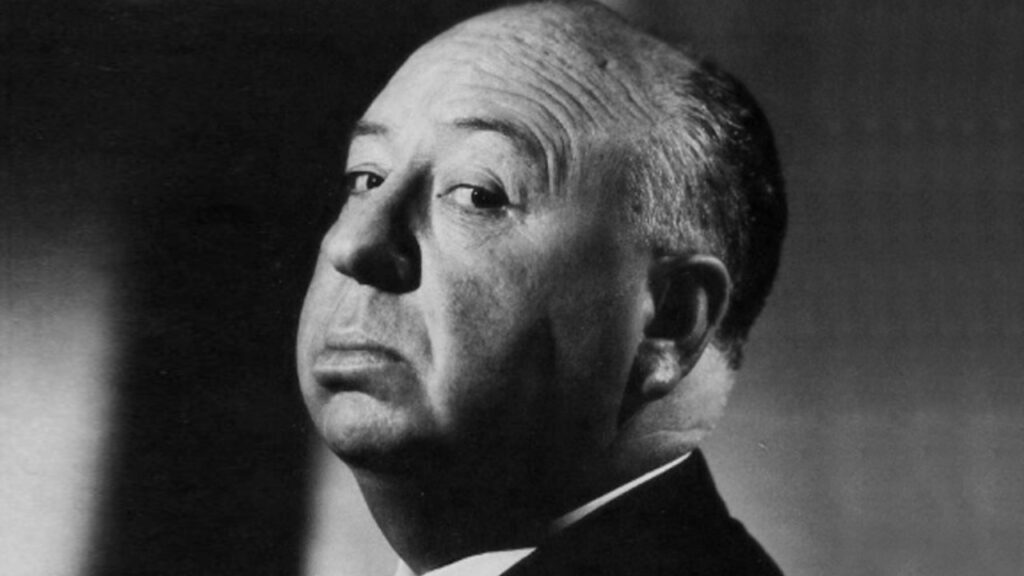
It was the perfect Hitchcock move, a closed loop of information. Frayling had hummed the doorbell, and Hitchcock had told him where the door was. That one word wasn’t a brush-off; it was a source credit, a nod to the silent movies of the 1920s, back when Hitchcock was just starting in the business.
Hitchcock had even watched Murnau work in Berlin back in 1924. The German expressionist’s influence was all over Hitchcock’s style, from ‘The Lodger‘ to ‘Vertigo‘. But it took one British student forty years to put it all together.
“It had taken me 40 years to understand why he’d used the S-word,” Frayling said, a realization that turned a fleeting moment into a mystery that took decades to unravel.
You might also want to read: Inside Marilyn Monroe’s Final Days and the Conspiracies That Never Went Away