The legend of Spaghetti Westerns, Clint Eastwood, has one of the longest careers in Hollywood. He has a long list of credits to his name in acting, directing, and producing across more than six decades. Some would say that his longevity in the entertainment business boils down to one thing: discipline.
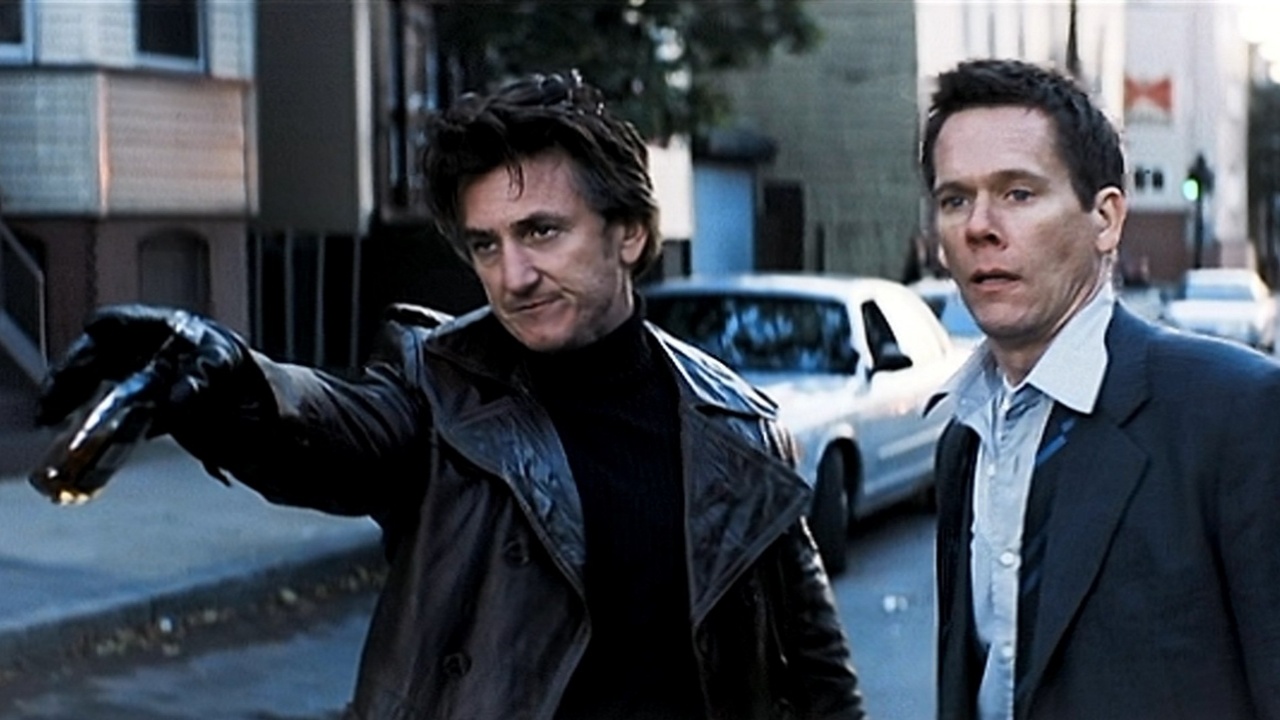
An anecdote from Tim Robbins, who worked with him on the 2003 neo-noir crime drama Mystic River, is a testament to the legendary director’s knack for running an efficient and well-organized set while avoiding unnecessary delays. Appearing in an episode of Deadline’s The Actor’s Side, Robbins shared how Eastwood thrived on an actor’s preparedness, resorting to methods that many run-of-the-mill directors would find unusual.
Clint Eastwood Rarely Does Retakes
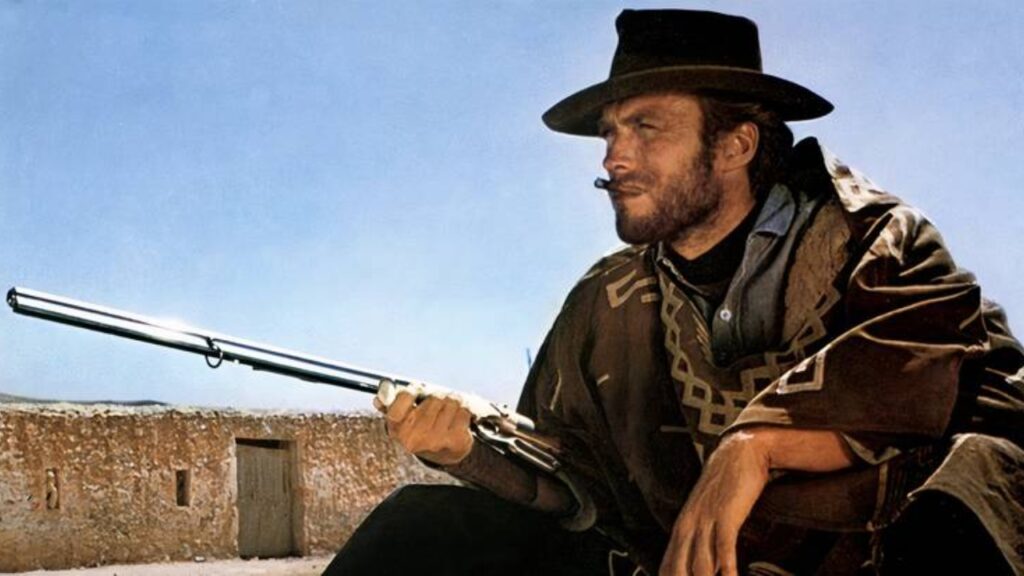
In the episode, Robbins explained that actors who want to work with Eastwood have to be on their toes because he rarely does retakes. The legendary director is reportedly known for moving extremely fast on set, seldom opting to go beyond the first take. According to Robbins, this means actors cannot rely on repeated rehearsals or endless retakes to refine their performances. They need to arrive fully prepared and emotionally locked in from the start.
“[He was] amazing. Amazing. I think what you see in Mystic River, most of what you see in Mystic River, is the first take…because he only would do one take. So you come prepared, disciplined, ready to work, know all your lines because you know you only have one shot at it,” he said.
“So, you get three shots, there are three set-ups—you get a wide, a mid, and a close. But he’s not going to do second takes,” he further added.
Robbins further admitted that the way Eastwood shot his films was so efficient that actors on his set could often get off work early. “We didn’t work any day…at least I didn’t work any more than 7 hours.”
Robbins’ comments corroborate Eastwood’s reputation in Hollywood for minimizing takes and avoiding overdirection. His filmmaking philosophy has long been rooted in spontaneity and natural performances.
Released in 2003, Mystic River was adapted from Dennis Lehane’s 2001 novel of the same name and received six Academy Award nominations. Although Eastwood did not win in the Best Director category, Robbins and his co-star Sean Penn took home the awards for Best Supporting Actor and Best Actor, respectively.
Safe to say, Eastwood’s approach to filmmaking paid off, as Robbins and Penn’s emotionally raw performances were widely appreciated by audiences and critics alike. Nevertheless, there are several other instances where Eastwood’s knack for not wasting camera rolls has become the stuff of legends.
Eastwood’s Wager That Made Crew Members Lose $5
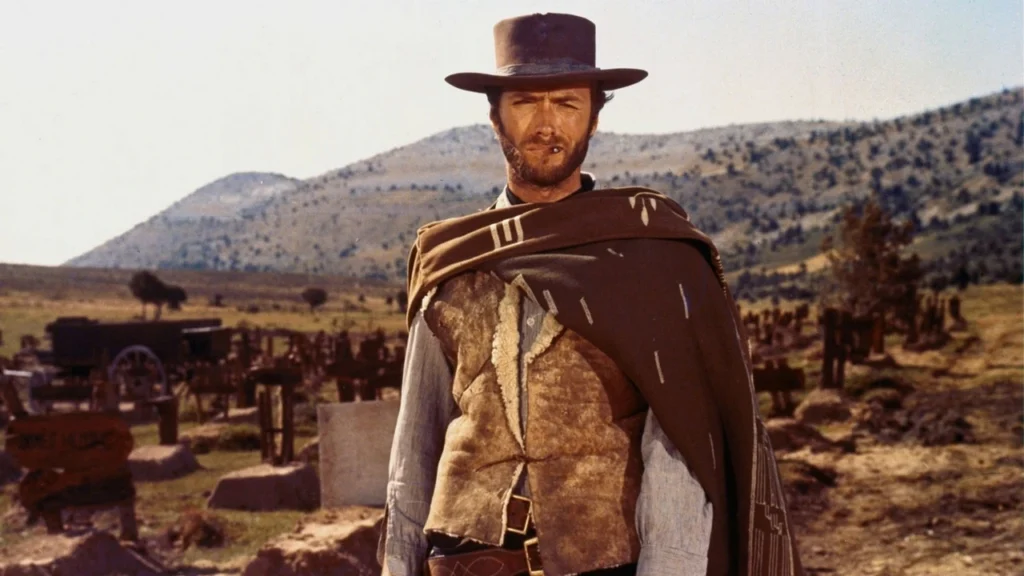
During the making of The Good, the Bad and the Ugly, Eastwood reportedly made a modest $5 wager with a crew member over his ability to nail a technically demanding scene in a single take without rehearsal.
The sequence required him to light a cigar, deliver his dialogue, and hit precise camera marks while the shot moved alongside him on a dolly. True to his reputation for preparation and efficiency, Eastwood allegedly completed the scene flawlessly on the very first attempt before quietly collecting his winnings—an early glimpse into the disciplined filmmaking approach that would later define his directing career.
In case you missed it: Top 25 Shows Based On True Stories
The one-take policy had seeped into Eastwood’s mindset very early in his career, eventually turning his preference for minimal retakes into a trademark directorial style. While many directors prefer multiple retakes to perfect a scene, Eastwood instead places immense trust and pressure on his actors to deliver in the moment.
Few can deny that the approach has paid off, helping cement his legacy as one of Hollywood’s most respected filmmakers with an immense body of work.
You might also like to read:
Kevin Costner And Clint Eastwood Clashed Constantly While Filming ‘A Perfect World’. Here’s Why