

Netflix’s ‘Sex Education‘ makes one question the daily experiences. The show perfectly captures intimacy, relationships, and the nitty-gritty of these dynamics. But other than that, it appealed to a larger audience, come to think of it. It’s not your average teen show.
No, it’s a hard-hitting narrative that uproots those very discrepancies present in society. It doesn’t fuel the impunity, but rather, it questions it. The show does so brilliantly through its inclusivity, diversity, and themes of community. Here’s precisely why it’s still relevant and essential for today’s generation.
Inclusivity And Diversity
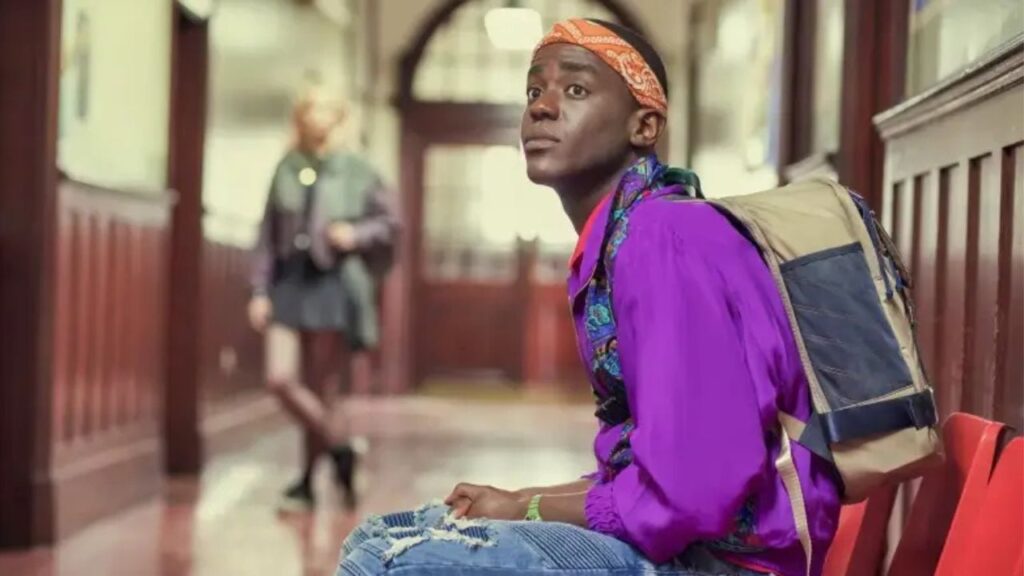
Inclusivity and diversity aren’t mere tokenism in Sex Education. The characters live it and experience it as the show progresses. It isn’t forced, but rather, the characters realize it during their journey at the school.
Eric, being a victim of a hate crime, slowly finds his place in Cavendish as his peers support him. The series doesn’t reduce PoC characters to sidepieces, no. It changes how we view diversity and inclusivity.
Laurie Nunn also brings the nuances of intimacy when narrating the stories of characters through their lenses. Isaac’s introduction in the story dismantles the whole idea and culture of pity often inflicted on the disabled community.
It is the bare minimum that most shows fail to encapsulate. The series humanizes queer people and disabled people and validates their experiences. It does so by enabling a powerful narrative tool: a community.
Related: 15 Most Underrated Netflix Original Movies
Where Families Fail, Communities Emerge
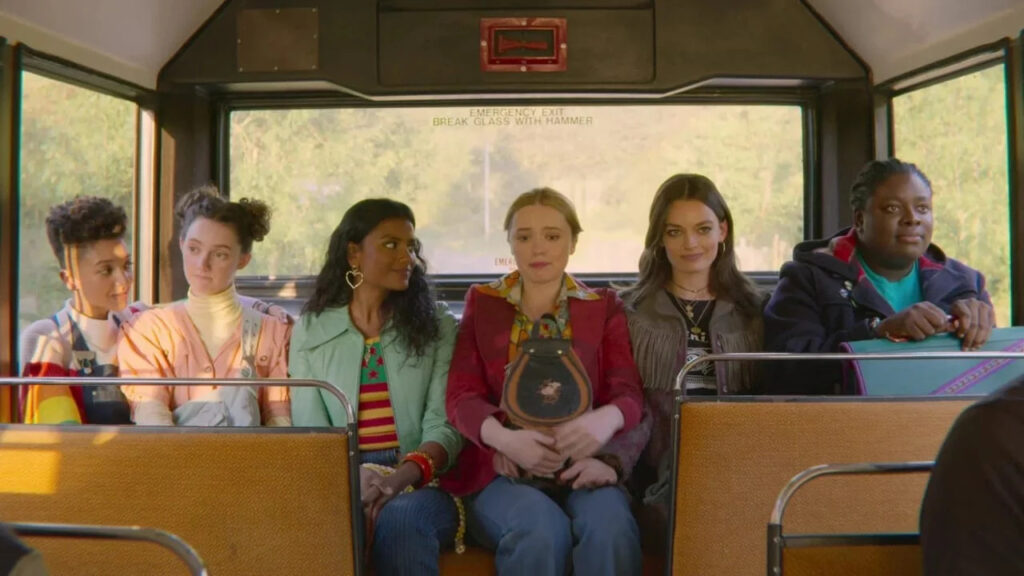
A long time back, The Fosters came up with an interesting tagline. “When all else fails, there’s family.” But what can one expect to do when families fail? The answer to this is community. A chosen family, which is what most characters find themselves aligning towards. Maeve’s dysfunctional family, Adam Groff’s abusive father, and Cal Bowman’s dismissive mother.
There’s one thing common between the three of them, and that is, failure. The parents fail to accept their children as they are and often resort to censure. Maeve’s abandonment by her mother reflects her relationships.
Communities, be they peers or friends, simply provide that validation and that acceptance. To be seen, heard, and acknowledged is a basic need. It also holds for Aimee, especially with the powerful bus scene. Or when Ruby was thoroughly mocked and humiliated. The aftermath of both these scenes was powerful as we witnessed solidarity.
Maeve and the other girls accompanying Aimee were a quiet reassurance. It triggered her to heal the jarring experience of abuse through therapy, later on. As for Ruby, it shifted the target of shame directly to the abuser. The scene became a motif of holding accountability instead of quietly letting things pass by.
It’s also interesting how the show concludes. The characters aren’t forced into the molds and framework of romantic relationships. They break free from this entire china nd trope of ending up as couples. It proves that, despite the tension and despite compatibility, there is space for platonic love. That teenage shows do not have to revolve around those archetypes.
Why Sex Education works so well is that it doesn’t try too hard to preach lessons. It simply lets the narrative flow through the characters and keeps it real!
You might also want to read: The Punisher’s Absence In ‘Daredevil: Born Again’ Was Much Darker Than Fans Expected