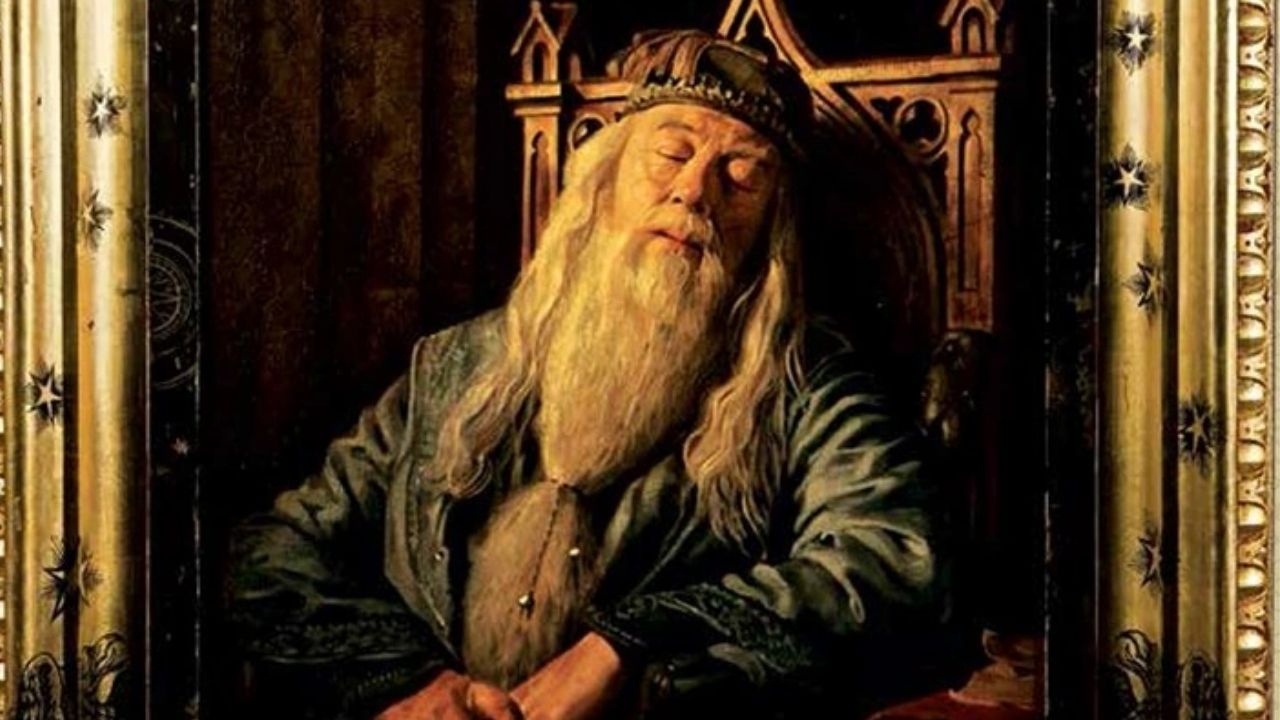
The moving portraits at Hogwarts have always blurred the line between magic and memory, but none sparked more debate than Albus Dumbledore’s painting after his death.
In ‘Harry Potter and the Deathly Hallows‘, the former headmaster appears to keep thinking, advising, and even planning beyond the grave. And those scenes gave rise to a major question: was Dumbledore’s portrait actually alive, or was something far more deliberate at work?
Dumbledore’s Portrait Was Exceptionally Capable, But Not Alive
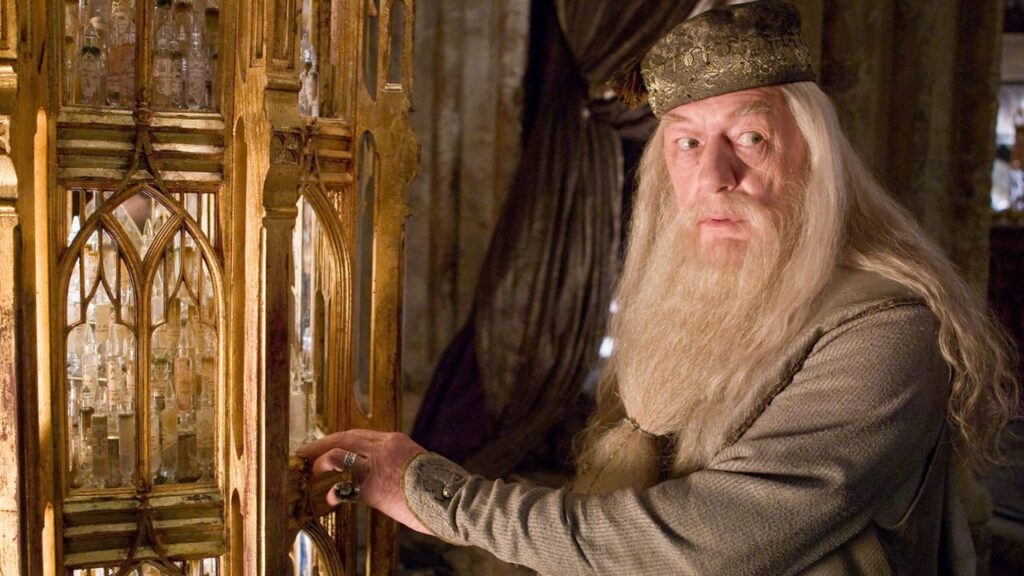
Dumbledore’s office had always been lined with portraits of former headmasters, each designed to advise whoever held the post next. When Albus Dumbledore died, his likeness joined them, and it quickly became clear that this portrait was unusually different. After Dumbledore’s death, his portrait joined the other former headmasters in the Hogwarts office. It could hold long conversations, react thoughtfully, and guide Severus Snape during dangerous moments. This made it seem as though Dumbledore himself still existed inside the painting.
Related: HBO’s ‘Harry Potter’ Reboot Might Be The Most Complete Adaptation Ever
However, Hogwarts portraits do not contain real life or souls. A portrait’s abilities depend on two things: the magical skill of the artist and the power and intelligence of the subject. Strong, intelligent witches and wizards leave behind portraits that can speak more clearly and for longer periods before repeating themselves. Since Dumbledore was exceptionally powerful, his portrait naturally appeared more aware than most.
Even so, the portrait only reflected Dumbledore’s thoughts, values, and memories. It could not grow, feel, or form new ideas. The painting acted like a carefully prepared version of Dumbledore, not the real man continuing his life after death.
How Hogwarts Headmasters Prepare Their Portraits in ‘Harry Potter’
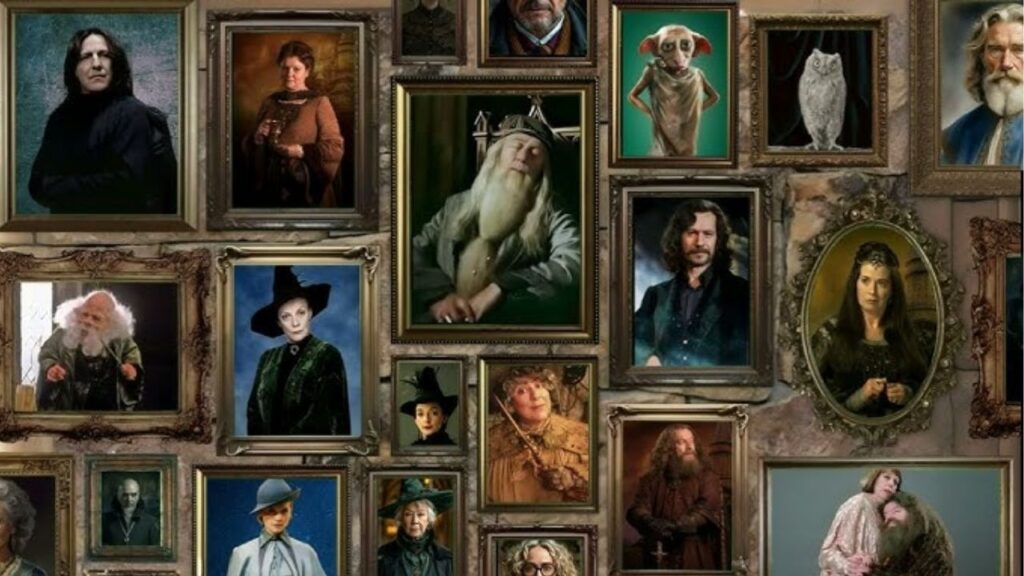
Hogwarts treats headmaster portraits differently from other paintings in the castle. These portraits exist to advise future headmasters, not just decorate walls. As a result, headmasters train their portraits before retiring or dying, teaching them to think and respond as they would in serious situations.
In case you missed it: ‘Harry Potter’ Fans Explode Over Rumored “Woke” Dark Lady Voldemort Casting for HBO Series
Dumbledore knew his life would end soon after Voldemort’s cursed ring began killing him. Because of that, he likely started working on his portrait early. He also knew Severus Snape would take over as headmaster after his planned death, so he prepared the portrait with exactly the knowledge Snape would need.
Dumbledore’s portrait already had strong mental abilities due to his power, but the mentoring made it effective. It learned how to guide, advise, and protect secrets, just as Dumbledore would have wanted if he were still alive.
Dumbledore’s portrait played an important role in the final book. It suggested planting the idea of the “Seven Potters” plan in Mundungus Fletcher’s mind, which helped protect Harry while confusing Voldemort. The portrait also guided Snape on how to get the Sword of Gryffindor to Harry without raising suspicion.
At the end of the story, Harry returned to Dumbledore’s office to ask the portrait about the Elder Wand. When Harry explained his plan to leave the wand unused, the portrait approved and seemed proud of him.
The portrait was not Dumbledore himself. It was only a fragment of the man whose knowledge and intentions were preserved through magic. Hogwarts portraits exist to honor memory, not to replace life.
You might also like to read: ‘Harry Potter’: The Tragic Truth Behind What Happened To Neville Longbottom’s Parents