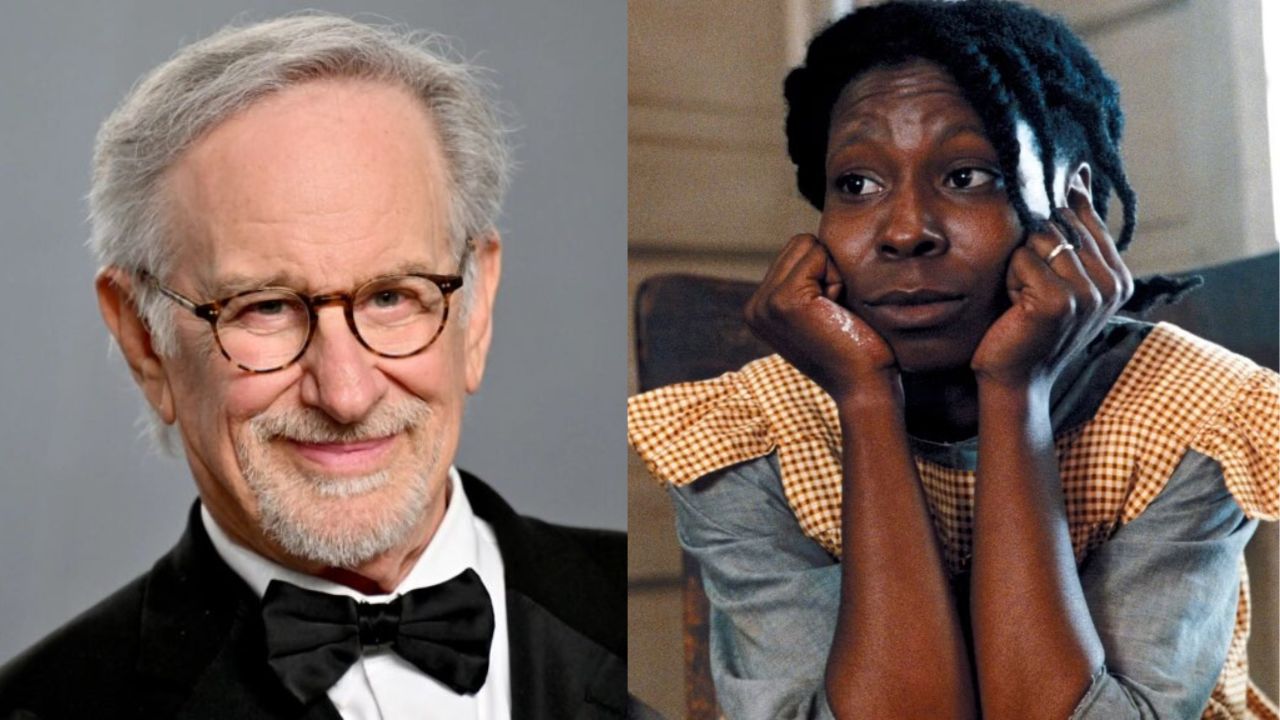
At the height of his blockbuster success, Steven Spielberg made a decision that many found surprising. Known for crowd-pleasing hits like E.T., Jaws, and Raiders of the Lost Ark, the filmmaker chose to direct ‘The Color Purple‘, a deeply emotional drama that tackled racism, abuse, and trauma in early 20th-century America.
Even Spielberg himself wasn’t sure how the gamble would play out. But what convinced him to take the risk anyway, and why did the experience leave one of Hollywood’s most confident filmmakers feeling more vulnerable than ever before?
Steven Spielberg Knew He Was Entering Unfamiliar Territory With ‘The Color Purple’
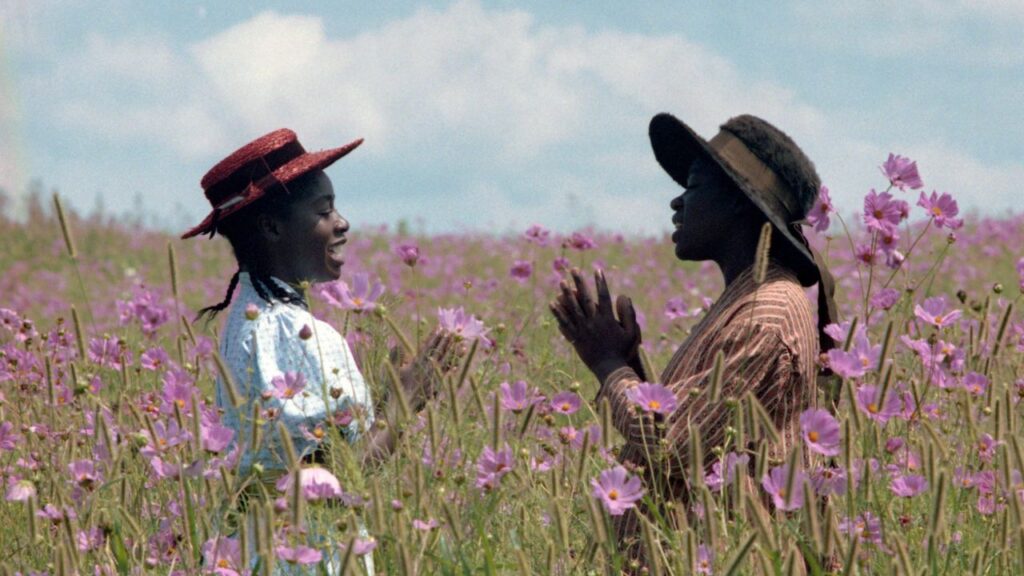
It all began with Steven Spielberg’s reaction to Alice Walker’s novel. The filmmaker fell in love with the story almost immediately, but that emotional connection also made the responsibility of adapting it feel far more intimidating.
Related: “We Are Not Alone”: Steven Spielberg Makes His Boldest Alien Claim Yet Ahead of ‘Disclosure Day’
At the time, Spielberg admitted, “The Color Purple is the biggest challenge of my career. When I read it I loved it; I cried and cried at the end. But I didn’t think I would ever develop it as a project. Finally, I said, ‘I’ve got to do this for me. I want to make something that might not be everybody’s favourite but, this year at least, is my favourite.’”
What made the project particularly daunting was that Spielberg knew exactly what kind of film he was trying to make. This was not a spectacle-driven blockbuster or a crowd-pleasing adventure. Instead, it was a deeply personal character drama that demanded a very different approach from the director. That realization stayed with him throughout the production and contributed to the pressure he felt while bringing the story to the screen.
How Spielberg Approached The Film Differently
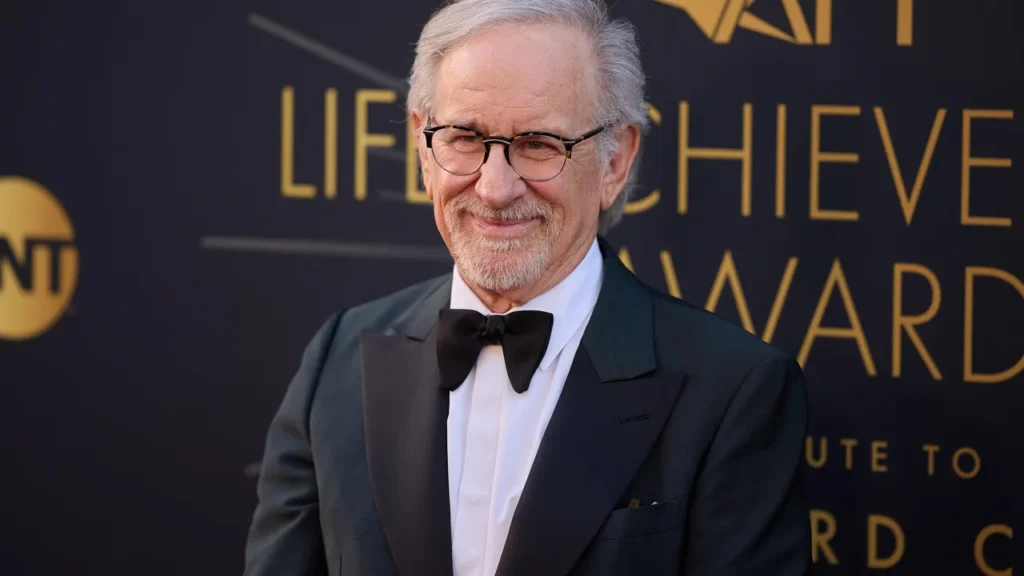
Once Spielberg decided to make ‘The Color Purple‘, he approached the project differently than he had in his previous films. He understood that some people might question whether the director of blockbuster adventures was the right person to tell such a serious and emotional story.
To help bring the film to life, he brought in Quincy Jones as co-producer and composer. The move broke from his usual partnership with John Williams, who had worked on many of Spielberg’s biggest hits.
In Case You Missed It: Steven Spielberg Revealed What ‘Obsession’ And ‘Backrooms’ Got Right
Spielberg also made an unusual financial decision. Instead of accepting his normal multi-million-dollar salary, he chose to take the industry union minimum of $40,000. It was a sign of how important the project had become to him.
Even with those preparations, Spielberg remained nervous about the challenge ahead. Comparing himself to acclaimed filmmaker Sidney Lumet, he admitted that he was stepping into unfamiliar territory.
He explained, “The Color Purple is the kind of character piece that a director like (12 Angry Men and Serpico director) Sidney Lumet could do brilliantly with one hand tied behind his back. But I’m going into it with both eyes wide open and my heart beating at Mach 2.”
The Acclaim, Controversy, and Lasting Legacy Of Spielberg’s ‘The Color Purple’
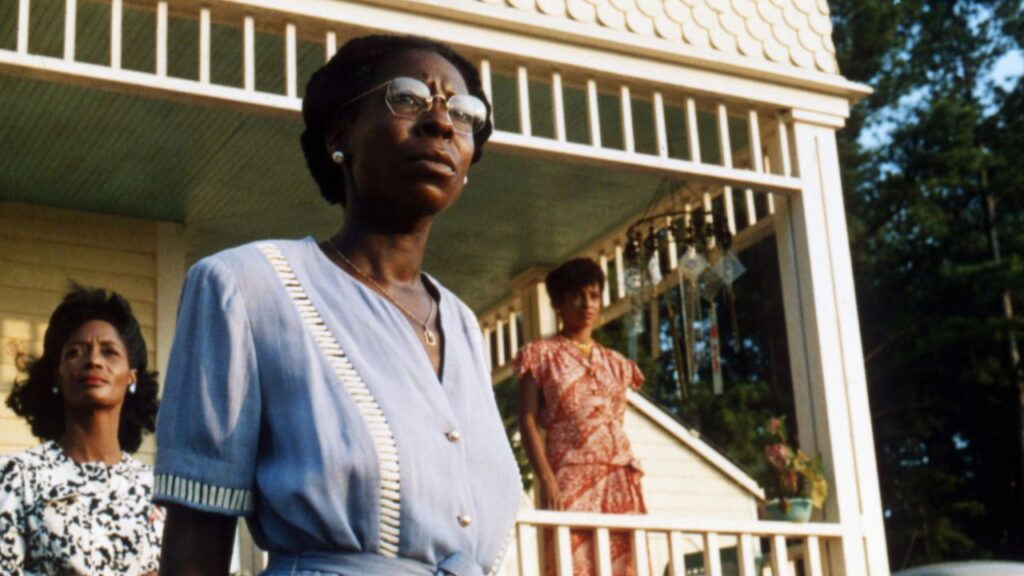
Upon its release, ‘The Color Purple’ was a major box office success, earning nearly ten times its production budget. More importantly, it finally introduced the public to the capability that Spielberg holds when it comes to handling serious stories.
But that didn’t save the movie from controversy. Just like Alice Walker’s novel, the adaptation also became a cultural debate. The book had long been one of the most controversial works, especially in American schools and libraries. Criticism was always there regarding its language, sexual content, and portrayal of same-sex relationships.
The film only added to the debate. Critics questioned the decision to have a white director lead such a deeply Black narrative. While others argued that the movie softened a lot of the elements of the book and diluted its themes.
While these criticisms have persisted for decades, it can’t be denied that Spielberg’s adaptation holds a special place in cinema culture. In 2023, a new musical adaptation with Spielberg as producer was released. Looking back, Spielberg truly took the biggest gamble of his career with ‘The Color Purple’ and welcomed any challenge to his creative abilities.
You Might Also Like To Read: Steven Spielberg Walked Away From This $200 Million Sci-Fi Film for One Terrifying Reason