For years, every new installment in the iconic ‘Star Wars‘ franchise has been treated as a monumental cultural event poised to redefine the galaxy far, far away. However, Lucasfilm’s latest theatrical venture has sparked a fiercely divisive conversation among fans and critics alike, challenging long-held expectations of what a big-screen saga entry should be.
With ‘Star Wars: The Mandalorian and Grogu,’ director Jon Favreau brought a distinct creative approach heavily reminiscent of his stellar work in the Marvel Cinematic Universe. Yet what worked seamlessly for serialized television seemed to backfire on the grand stage. It raised a critical question: Has this unique stylistic pivot transformed a highly anticipated blockbuster into mere supplementary viewing?
Why Favreau’s New Movie Doesn’t Give Off ‘Star Wars’ Energy?
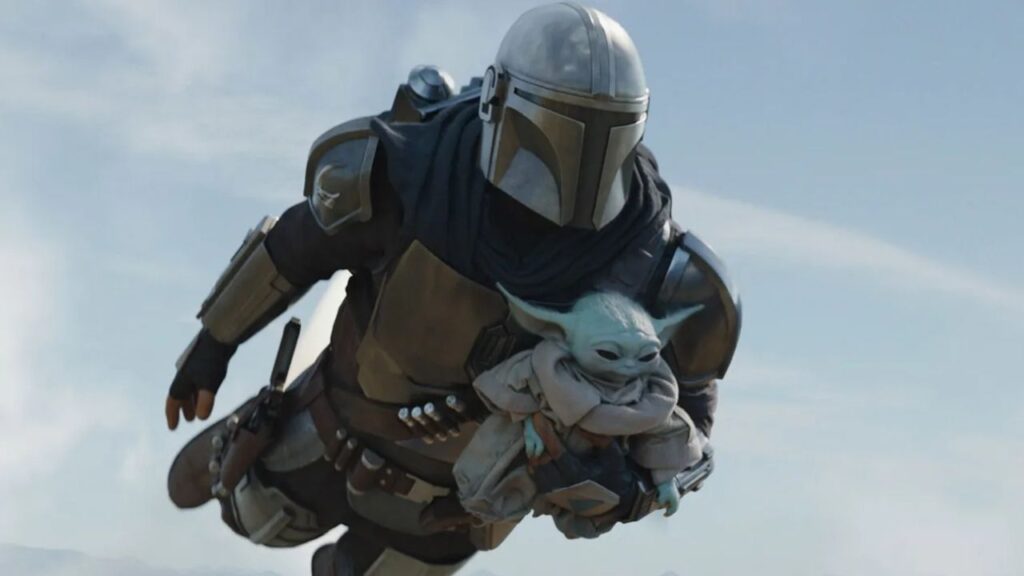
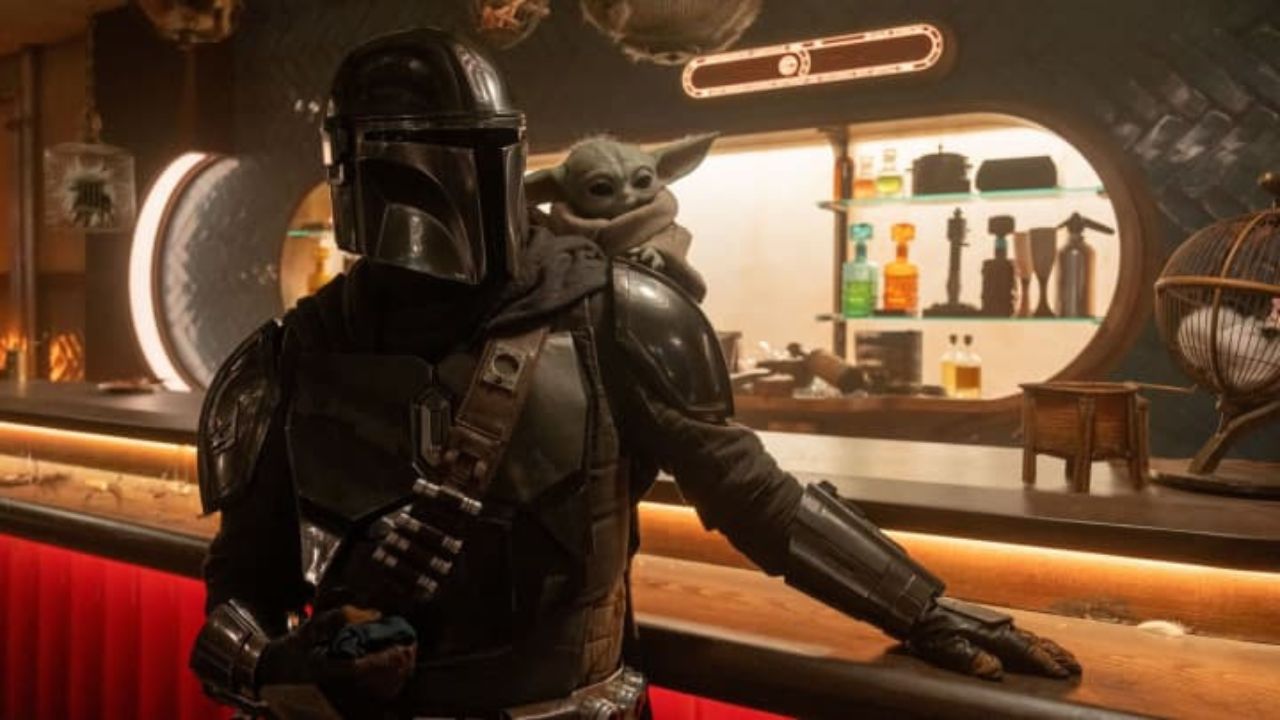
One of the central criticisms that ‘The Mandalorian and Grogu‘ faced is that it doesn’t justify its existence as a theatrical release. Previous Star Wars films introduced major characters, expanded the mythology, or meaningfully advanced the franchise’s timeline.
Related: From ‘The Mandalorian’ To ‘New Jedi Order’: Mapping The Future Of The ‘Star Wars’ Cinematic Universe
But Favreau’s work largely functions as a standalone adventure centered on Din Djarin and Grogu. Many argue that the film feels closer to an extended episode of ‘The Mandalorian’ (2019) than a major cinematic chapter in the intergalactic saga. Several early viewers and critics echoed this very sentiment.
They described the movie as a super-sized version of the Disney+ series rather than an essential piece of the Star Wars universe. Unlike films such as ‘The Force Awakens,’ ‘Rogue One,’ or even the more divisive entries in the sequel trilogy, the 2026 movie does not appear to introduce game-changing developments for the franchise.
As a result, it serves as an installment that the audience may not need to watch to keep track of future developments. This distinction sets it apart from virtually every previous film in the franchise. The shift reflects a broader challenge faced by Lucasfilm.
After all, Star Wars movies were marketed as major cultural events that demanded attention from casual viewers and devoted fans alike. Sadly, ‘The Mandalorian and Grogu’ feels more like optional supplementary content than the next essential chapter in the franchise’s ongoing story.
‘The Mandalorian And Grogu’ Avoids The Franchise’s Biggest Storylines
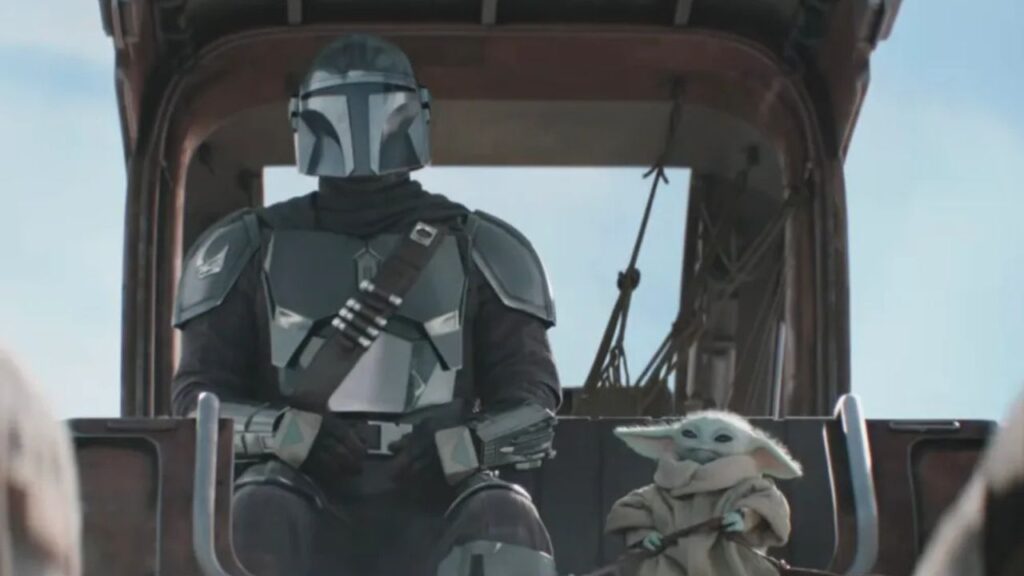
What contributed to this disappointing aftermath is the lack of connection to the broader narrative direction executed in previous Star Wars films. Before Lucasfilm shifted focus toward a theatrical movie, many fans expected the next chapter of ‘The Mandalorian’ to continue building toward the grand storylines.
In case you missed it: ‘Star Wars’: 5 Material That Can Block Lightsabers
These include the rise of Grand Admiral Thrawn and the interconnected storyline unfolding across projects such as ‘Ahsoka.’ Instead, the movie reportedly opts for a more self-contained plot that avoids significantly advancing those broader conflicts.
Earlier Star Wars films have served as key milestones in the franchise’s overarching story, ensuring that fans have had to keep up with each installment to fully understand what comes next. ‘The Mandalorian and Grogu,’ however, is portrayed as a side adventure whose events have little impact on the galaxy’s future.
It’s now emerging as the first Star Wars film that viewers can potentially skip without feeling lost when the franchise moves on to its next major storyline. The film’s underwhelming box-office performance also supports that argument, with the movie grossing a little over $250 million worldwide.
If audiences had truly viewed the movie as essential to the future of ‘Star Wars,’ its theatrical run would have generated more revenue and far greater urgency among fans eager to stay current with the franchise’s developing narrative.
You might also like to read: Sam Witwer Compares ‘Star Wars’ Darth Maul to Jack Torrance in Shocking ‘The Shining’ Parallel