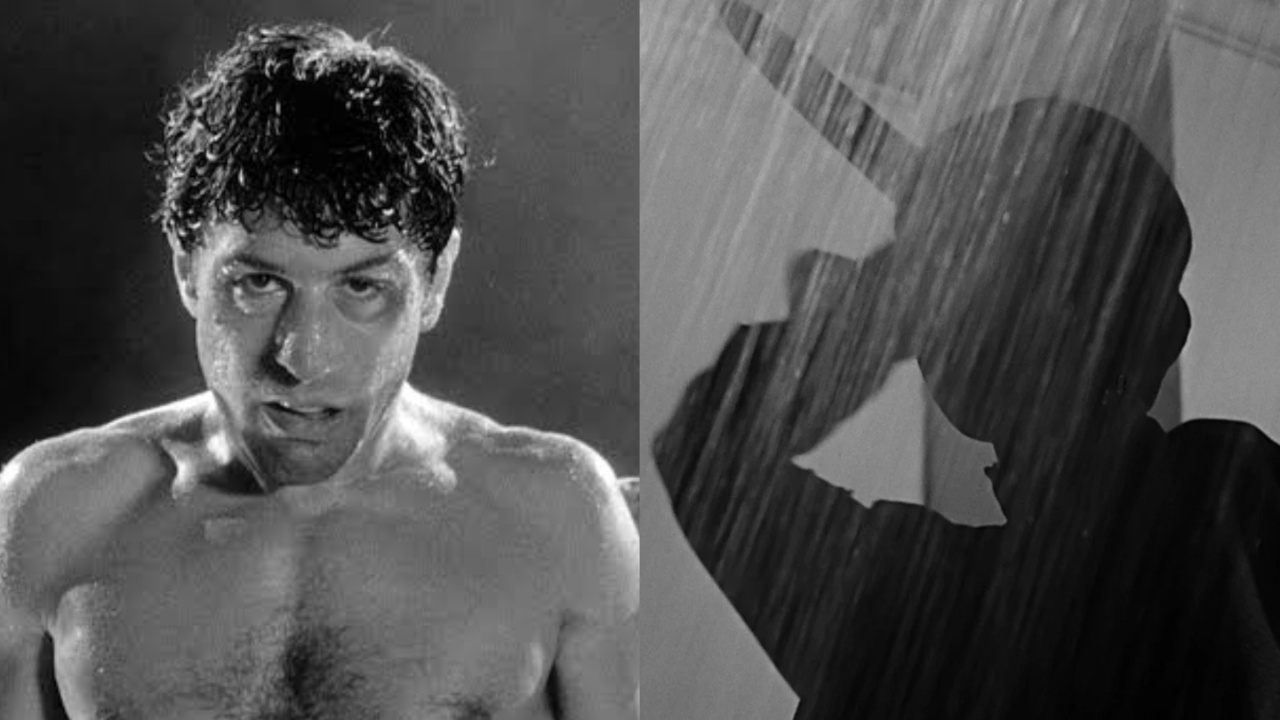
When Martin Scorsese was planning the last fight scene in ‘Raging Bull‘, the one where Sugar Ray Robinson beats Jake La Motta so badly it ends his career, he didn’t study boxing footage to get it right. He studied Alfred Hitchcock‘s ‘Psycho,’ specifically, the shower scene.
It sounds like a strange story to be true, but it checks out. According to the Criterion Collection and Scorsese’s longtime editor Thelma Schoonmaker, he planned that final fight almost exactly the way Hitchcock planned Marion Crane‘s murder, cut by cut, shot by shot, with most of the actual violence left offscreen. Scorsese went back to the storyboards Hitchcock and designer Saul Bass made for the shower scene and used them to work out his fight, punch by punch. He didn’t think of it as sports footage. He thought of it as choreography. In his own words: “It’s very much like staging a dance to music. Instead of a verse with maybe twelve bars of music, it’s four bars of punches. Because it’s all choreography.“
The Editing Technique Behind Cinema’s Most Studied 45 Seconds
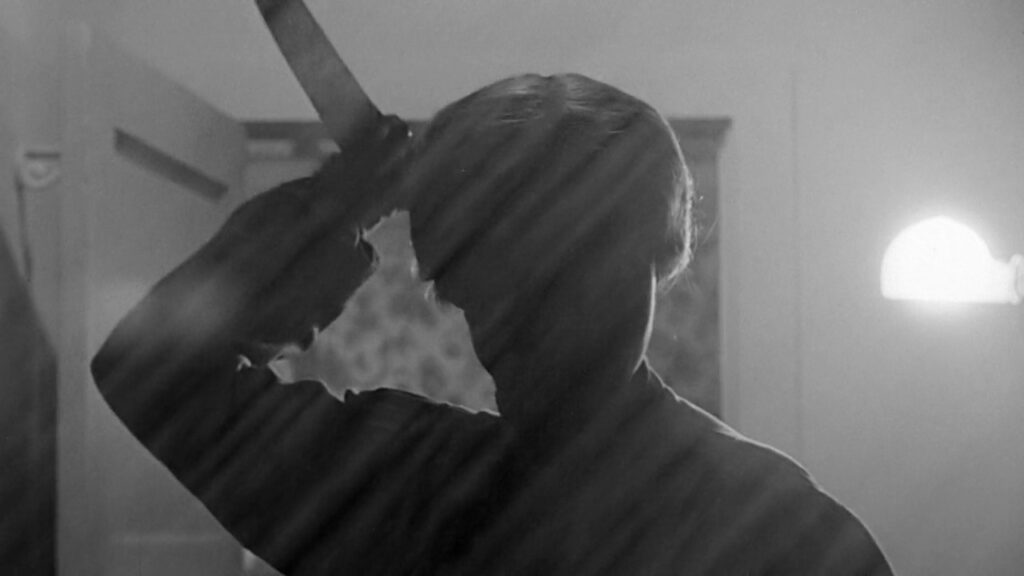
That wasn’t just a nice comparison he made after the fact. It was actually how he built the scene. Scorsese looked at the original shot list from the shower scene to figure out the editing rhythm for the fight. He later said that’s what helped him make what he considers the most horrifying scene in the movie.
Related: The Creepy ‘Psycho’ Easter Egg Hidden in ‘Barbie’ That Most Viewers Completely Missed
The ‘Psycho‘ shower scene is still one of the most picked-apart moments in film history, with 78 different camera setups and 52 cuts packed into about 45 seconds. People have obsessed over it so much that there’s a whole documentary, 78/52, just about counting and analyzing those pieces. What that scene proves, and what Scorsese picked up on, is that the knife itself barely matters. The real violence in that scene doesn’t come from the blade you see on screen. It comes from the jarring cuts between shots. The editing is doing the killing, not the actor.
Raging Bull’s Boxing Scenes Explained
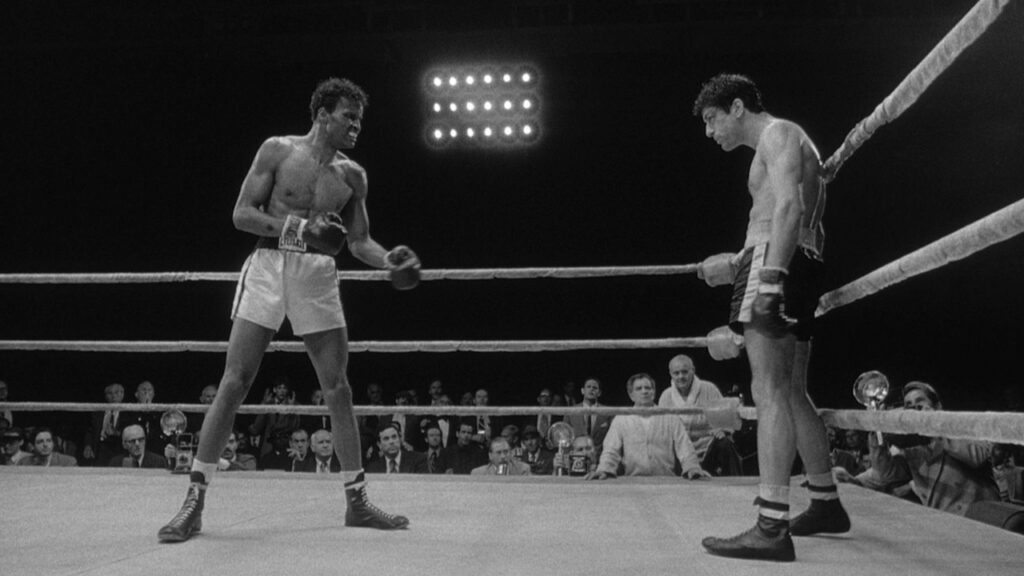
Scorsese brought that same idea straight into the boxing ring. Just like in the shower scene, you almost never actually see a clean hit land in ‘Raging Bull‘. A quick shot of La Motta’s fist connecting does more damage to your head than any lingering shot of the aftermath ever could. And the editing is so tight that people walk away feeling like they saw way more violence than they actually did.
In case you missed it: How Alfred Hitchcock’s ‘Psycho’ Flushed Away Hollywood’s Weirdest Censorship Rule
One analysis of the Robinson fight counted 35 clashing shots crammed into just 26 seconds, deliberately breaking normal editing rules so the audience would feel as disoriented and beaten down as La Motta himself.
Thelma Schoonmaker’s Role in ‘Raging Bull’
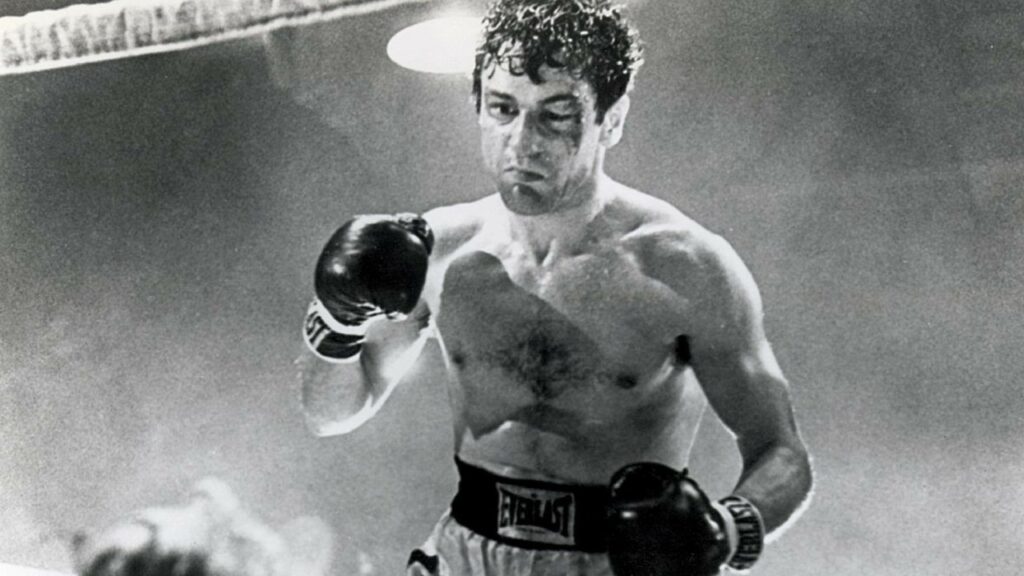
The person who actually cut all this footage together was Schoonmaker, and her own account pushes back a little on the idea that this was all Scorsese’s genius alone. She won the Oscar for Best Film Editing in 1980 for this film. But she’s always said that the award had as much to do with how carefully Scorsese planned everything beforehand as it did with her own editing choices.
She’s talked in interviews and masterclasses about exactly how the scenes were built. It used extreme close-ups cut against wide shots, low camera angles against high ones, normal speed mixed with slow motion and fast motion, freeze frames next to smooth Steadicam movement. It’s built on clashing, not flowing. Inside the ring, she’s said the cutting matches the pace of the punches themselves, fast and relentless, and that speed is what makes it hit so much harder against the slower, quieter scenes of La Motta’s home life.
The Hitchcock influence even shows up in the sound. The same way Hitchcock let Bernard Herrmann’s screeching violins carry weight the visuals alone couldn’t, Raging Bull’s sound designer Frank Warner built the punches out of a mix that reportedly included the sound of smashed melons and tomatoes, with gunshots thrown in to mimic camera flashbulbs going off. The sound is doing violence the camera won’t fully show you.
None of this turns ‘Raging Bull‘ into a boxing movie dressed up like Hitchcock. It’s closer to a horror movie wearing boxing gloves, more concerned with what watching violence does to you than with who actually wins the fight. And Scorsese has said that’s a trick he learned by studying forty seconds in a motel bathroom that changed how movies could scare people.
You might also want to read: Why Alfred Hitchcock Shot ‘Psycho’ in Black and White Instead of Colour