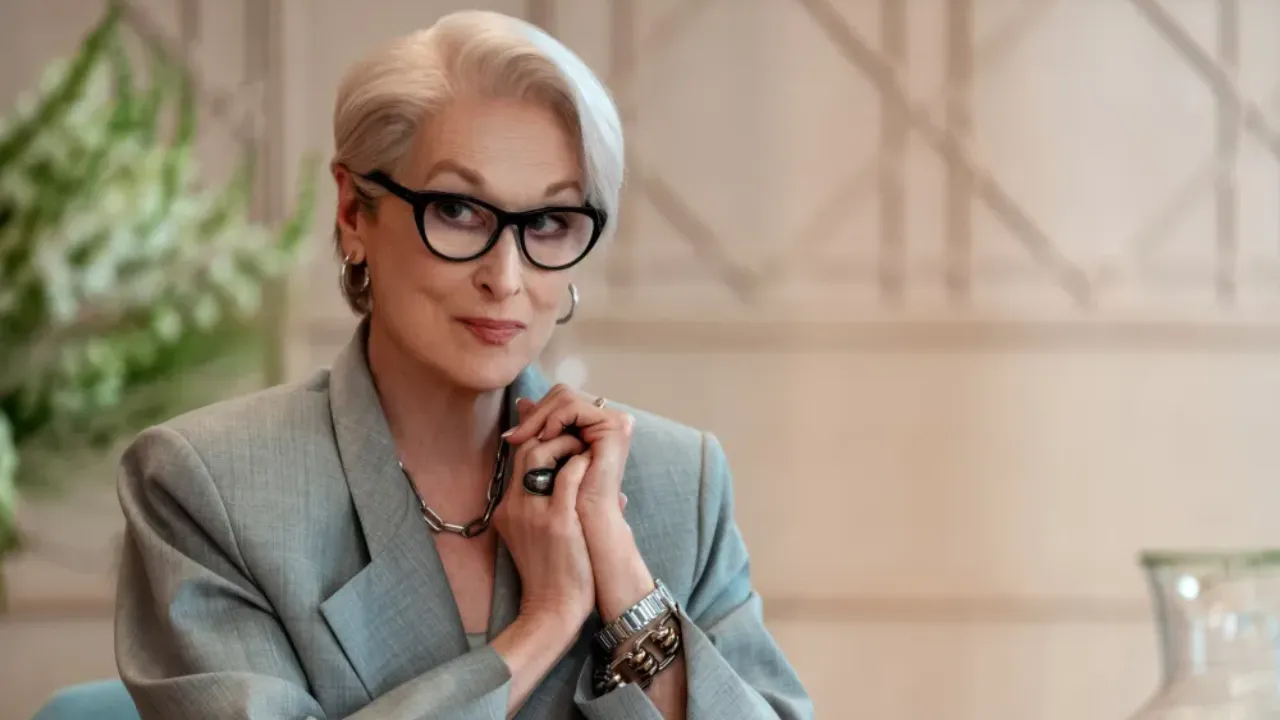
Twenty years after ‘The Devil Wears Prada’ became a cultural moment, its sequel is not only going back to the same space, but it is redefining it. ‘The Devil Wears Prada 2’ replaces the tight, crisp storyline of the first with a wider, more disheveled, and unexpectedly more introspective one.
And, frankly, that transition succeeds more frequently than it fails.
The Sequel Takes A Bolder Step Forward
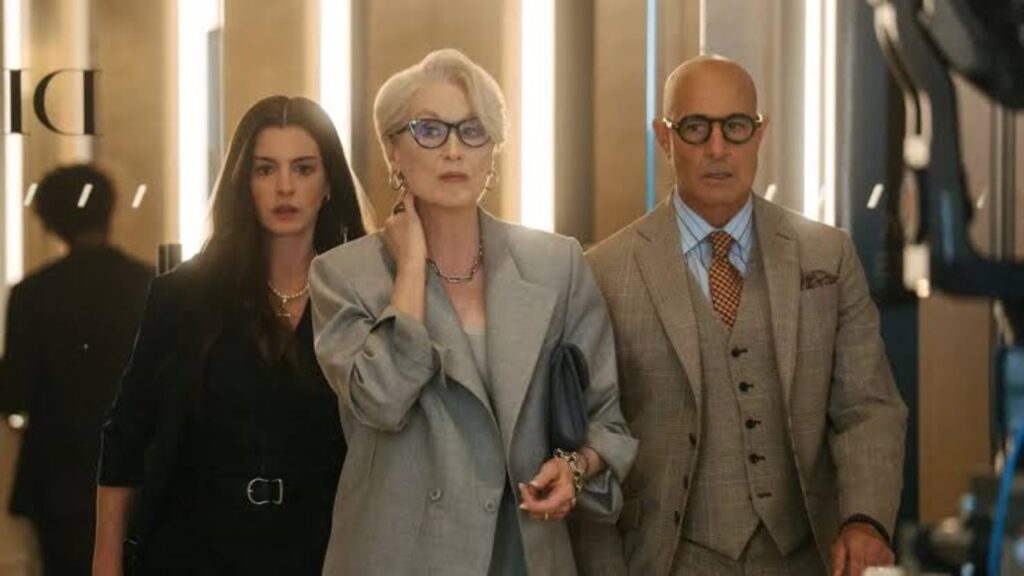
Meryl Streep and Anne Hathaway slide back as Miranda Priestly and Andy Sachs at the center as though no time has passed, but the world around them evidently has. It is not just the fashion industry that is changing; the media is also being challenged, and the movie is confident in its ability to lean into that conflict.
Related: ‘The Devil Wears Prada’ Actor Calls Out Sequel For Not Including Her
The first thing that comes to mind is the naturalness of this reunion. The fact that Andy is coming back to Runway is not merely a nostalgia appeal, but it has its basis in failures and ambition, which adds a new dimension to her relationship with Miranda. Their relationship has evolved, and it is no longer intimidation but rather even more complex.
The presence of supporting actors like Emily Blunt and Stanley Tucci is more of a texture than a mere comic relief. Emily’s ambition is even more burning, Nigel’s loyalty is even stronger, and characters finally have the opportunity to be vulnerable. These softer tunes provide the film with a beat other than just the glam. And the fashion is still glittering, of course, but it does not distract the characters. That balance matters.
Miranda Priestly Faces A New World
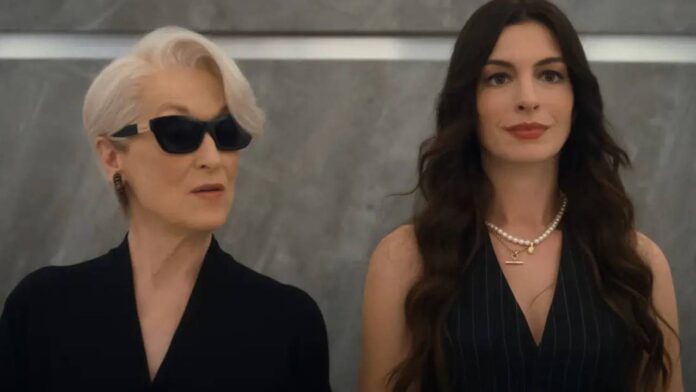
This is the trade-off: ambition is expensive. The follow-up attempts to address all of it, including corporate intrusion, digital media violation, and personal re-invention, and none of it feels empty. However, it is a bit crammed. Certain subplots come and go, and some characters could have been given more space to breathe.
In case you missed it: Bold Or Blunder? ‘The Devil Wears Prada’ Sequel Makes Emily Go Platinum
Nevertheless, it is admirable that a sequel does not play it safe. It does not repeat the formula of the original but broadens the world and poses more challenging questions about relevance, legacy, and creative control. Not all the threads land cleanly, but the effort gives the film a sense of purpose.
Ultimately, this is not a smoother re-creation of the original, but a more reflective one. It falters here and there, but when it connects, it really connects. And that emotional sincerity, combined with crisp acting, is worth the ride back into the world of Miranda Priestly.
You might like to read: 10 Most Iconic Fashion Films Of All Time