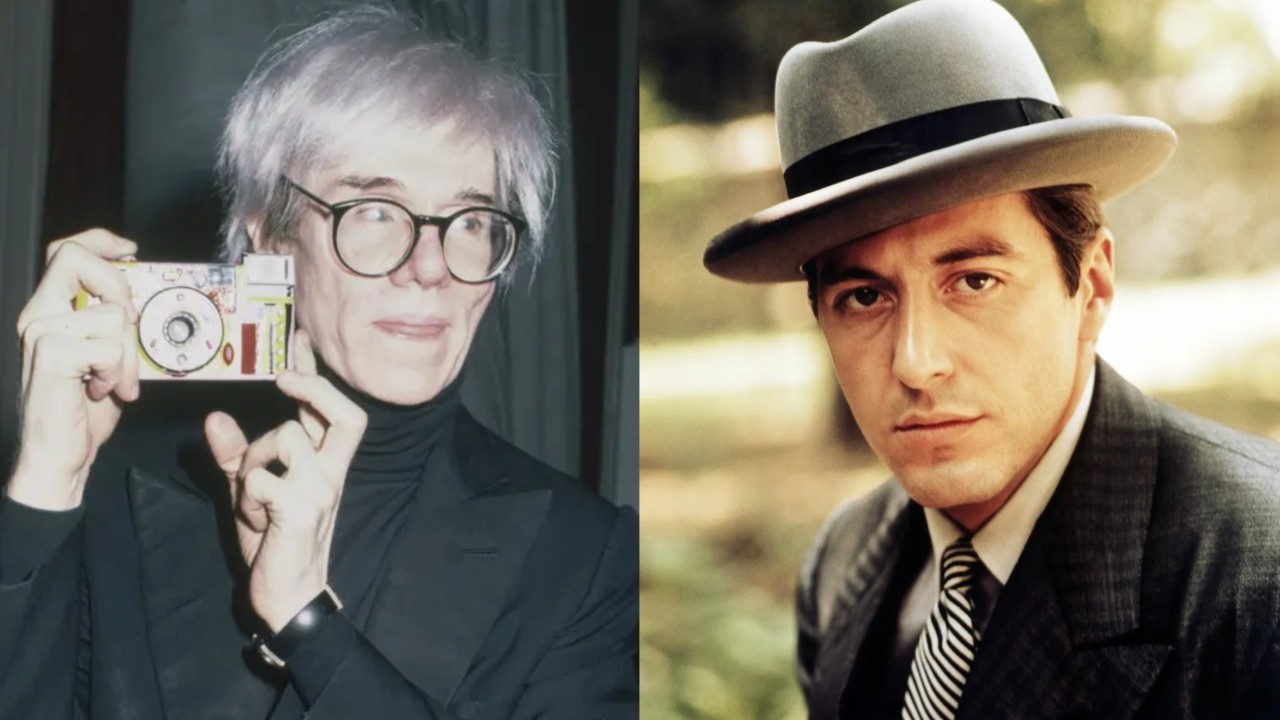
Before Al Pacino earned his iconic, life-changing big break as Michael Corleone in Francis Ford Coppola‘s ‘The Godfather,’ the aspiring actor starred in a raw depiction of substance abuse in the rather painful feature ‘The Panic in Needle Park.’ Directed by Jerry Schatzberg, the 1971 film represents another somewhat underrated but important contribution to Pacino’s early movieography.
However, it was an excellent indication of how big the stars were ready to become. On the other hand, Al Pacino recalled a very different cinematic landscape during his 1990 interview. At that time, Hollywood did not define the standard for portraying substance abuse. Instead, critics considered ‘The King of Pop-Art‘ Andy Warhol’s 1970 film ‘Trash‘ to be the era’s definitive look at addiction.
Andy Warhol Shifted Hippie Optimism To Deadly Realism In ‘Trash’
During the late 1960s and early 1970s, a peculiar direction in the portrayal of substance abuse emerged in world cinema. At first, such loose counter-culture productions as Roger Corman’s ‘The Trip‘ relied on hallucinogenic imagery in order to reproduce the psychedelic experience.
Nevertheless, it did not take long before the hippie optimism turned into deadly realism as heroin became the ultimate tool for rebellious youth.
Related: 10 Great Films That Celebrate The Art Of Cinema
This is exactly what happened when Jerry Schatzberg made his merciless drama. At the same time, Andy Warhol and his Factory crew captured that dark period in society with a completely raw, microbudget approach to filming.
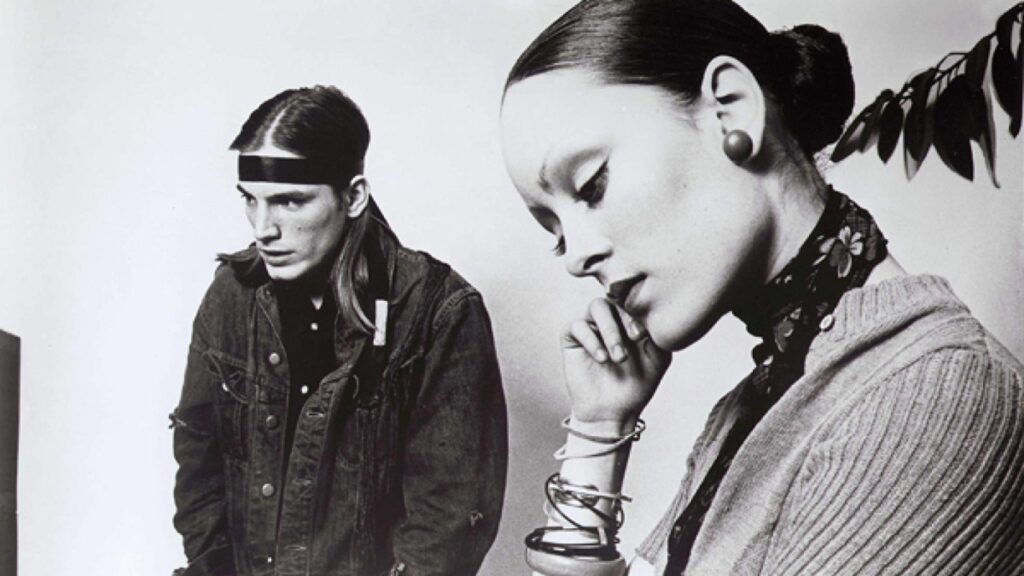
This underground Warhol production, directed by Paul Morrissey, features legendary Factory superstars like Joe Dallesandro and Holly Woodlawn.
In addition, the actors’ complete willingness to do whatever it takes on the set, including full nudity, added a touch of shocking authenticity to the production. Years later, Al Pacino remembered the enormous shadow of the indie film during an interview with Roger Ebert.
“It came at a strange time, that movie, didn’t it? Andy Warhol’s Trash came out at the same time and was supposed to be the definitive d— film at that time”.
A Commitment To Authenticity Beyond The Hollywood Formulas
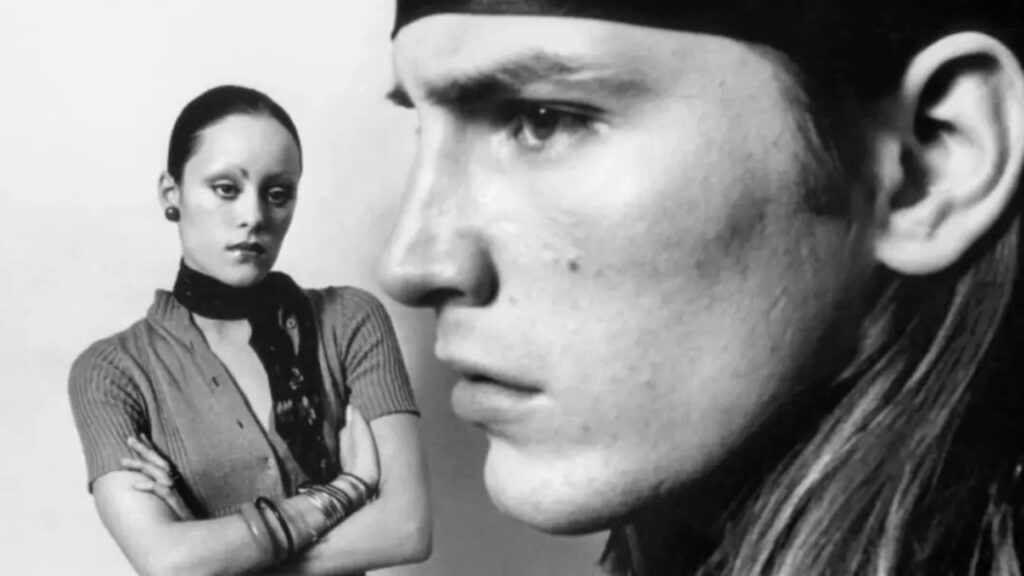
In general, when mainstream studio productions aimed to dramatically depict counterculture d— abuse, Warhol and Morrissey opted for a completely different, unusual path.
In Case You Missed It: 10 Movies That Master The Art And Beauty Of Isolation
Instead of traditional Hollywood scripts, they chose an entirely raw, unfiltered, and authentic portrait of the social margins with a healthy dose of pitch-black humor. As film critic Gene Siskel once said in his review for the Chicago Tribune, this is precisely the main difference between these two approaches.
“But in many ways, especially if taken in infrequent doses, a far more real world than the formula Hollywood drama or comedy.”
Therefore, although the release of ‘The Panic in Needle Park‘ brought Al Pacino to international stardom, this little-known underground feature remained a great historical artifact.
The fact that the production captured its era in an honest and unfiltered way will forever define the boundaries of the counter-culture cinema.
You Might Also Like To Read: Christopher Walken Intentionally Destroyed A Real Banksy On TV And Got Away With It