
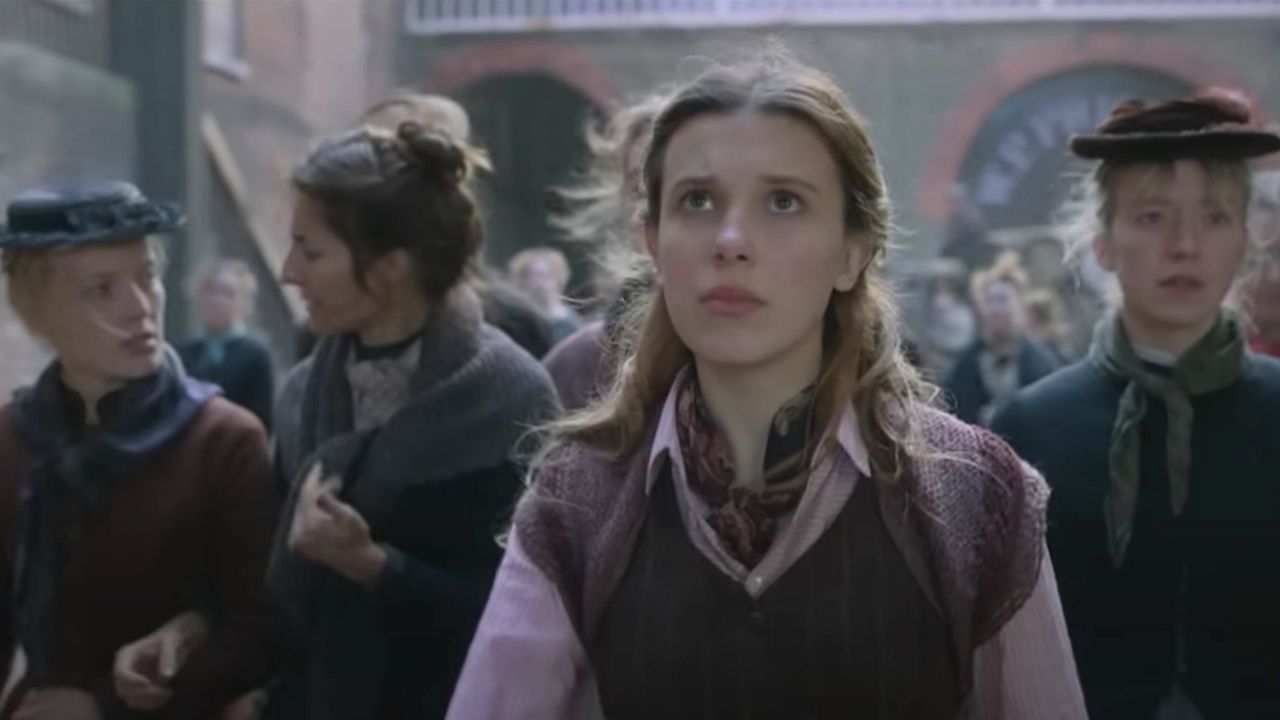
In ‘Enola Holmes 2’, we find our detective in the darker alleys of London, where she is handling her first official case – the mysterious disappearances of Sarah Chapman and the workers of Bryant & May match factory.
For some history buffs, the names might have immediately struck as familiar, and that is because the movie is inspired by true events. While Enola and Sherlock were solving a fictional mystery, thousands of women fought a very real battle against injustice to improve the conditions of female workers in Victorian England.
The Real-life Match Girls’ Strike That Inspired ‘Enola Holmes 2’
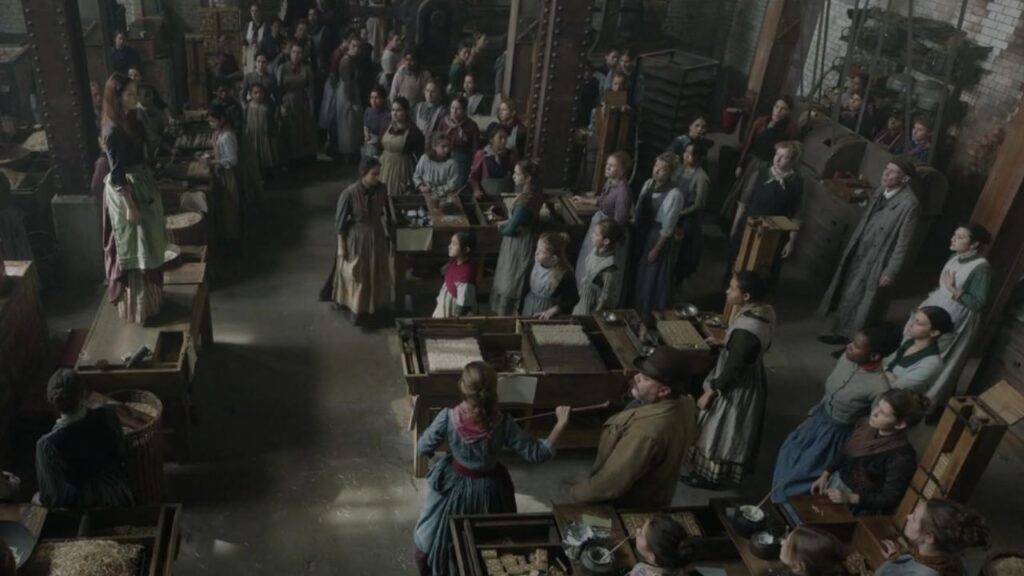
‘Enola Holmes 2’ borrows its story from one of Britain’s most remarkable historical events: the Match Girls’ Strike of 1888. There was an actual match factory in East London called Bryant & May, where thousands of women and girls decided they had endured enough of its inhuman working conditions.
Related: 10 Behind-the-Scenes Secrets From Netflix’s ‘Enola Holmes’ Franchise
These workers spent up to 14 hours a day making matchsticks for extremely low wages. And even those meager earnings were often reduced by unreasonable, endless fines. Just like we saw in the movie, workers would lose their pay over talking, dropping matches, arriving late, or even taking too long in the restroom.
But the biggest danger came from the white phosphorus that was used to manufacture the matches. Constant exposure to it caused the workers to develop a horrifying condition known as “phossy jaw”. The condition slowly destroyed their jawbone, leaving them in constant pain and sometimes permanently disfigured. Even worse, the higher-ups at the factory were aware of these health hazards, continuously checking workers for symptoms and immediately firing them if they showed any.
Then came 1888, when around 1400 women did something that shook the entire country to its core. These women and young girls came together and walked off the job to go on strike. For several weeks, they fought off the enormous pressure coming from higher-ups, eventually becoming one of the country’s most influential labor victories.
The Real Sarah Chapman Behind The Movie Character
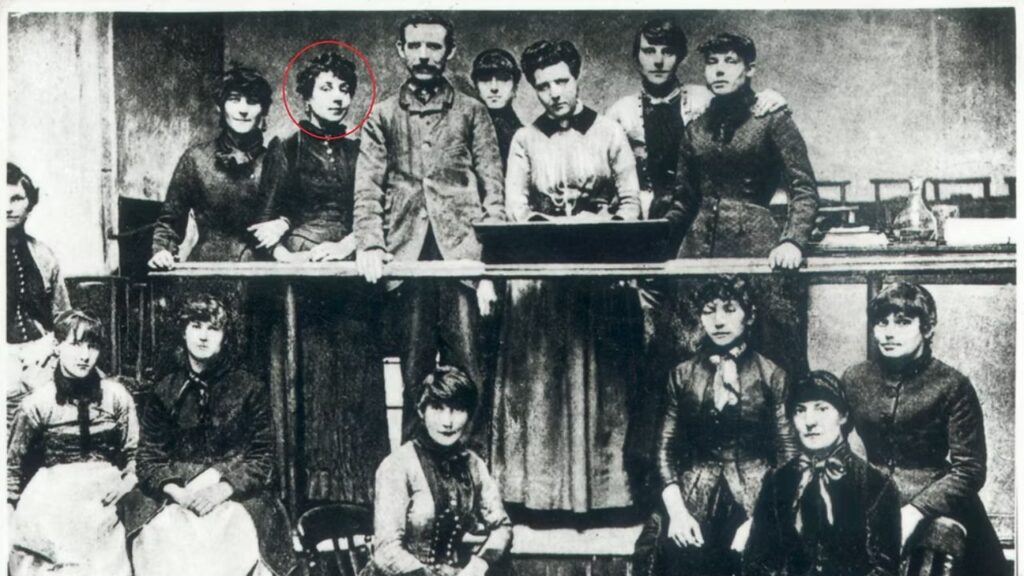
In ‘Enola Holmes 2’, we see the plot revolving around the missing character named Sarah Chapman, who disappears while trying to expose the factory’s dangerous secrets. This sets Enola and Sherlock Holmes to start their investigation.
In Case You Missed It: ‘Enola Holmes 2’ Ending And Moriarty Mystery Explained
It is undeniable that the inspiration behind the character is much more remarkable in real life. Born in 1862, Sarah grew up in East London. By the age of 19, she was already an established worker at the Bryant & May match factory.
It is reported in The Matchgirls Memorial that, although she received a manageable wage, she decided to join the strike committee to reduce inequality among her coworkers.
When the strike began in 1888, Sarah was an active member of the committee and played a leading role in organizing workers’ campaigns. After the strike, she continued to live her life outside the spotlight. Today, we remember her as one of the ordinary women whose extraordinary courage brought a life-changing revolution in the world.
The Heroine Who Inspired Enola Holmes And The Real-Life Match Girls
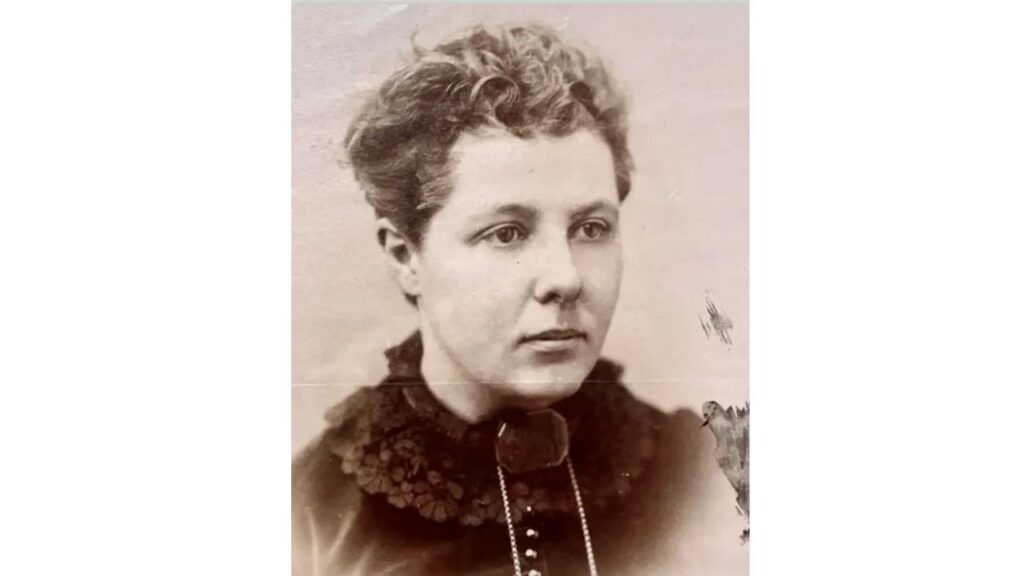
While the movie provides many fictionalized accounts of historical events surrounding the Match Girls’ Strike, one of its biggest inspirations stays hidden. She is the social reformer Annie Besant, who started the campaign against the working conditions of Match Girls. In many ways, she inspired the character of Enola herself.
During the late 1880s, Bryant & May employed mostly young women living in impoverished areas of East London. Their struggles remained largely invisible. Until Besant decided to investigate the factory, interview several workers, and publish a powerful exposé in her newspaper ‘The Link’.
As reported by Britannica, she wrote: “Born in slums, driven to work while still children, undersized because underfed, oppressed because helpless, flung aside as soon as worked out, who cares if they die or go on to the streets provided only that Bryant and May shareholders get their 23 percent, and Mr Theodore Bryant can erect statues and buy parks?”
This caused public outcry, eventually provoking Bryant & May management. The company demanded that the employees publicly deny Besant’s claims. When several women refused, they were dismissed, and it triggered the wider strike that followed.
Besant didn’t stop writing about the workers. She organized public support, raised donations through her newspaper, and took the strike to Parliament. She also became the leader of the newly formed Union of Women Match Makers. This later expanded into the Matchmakers Union.
Their work didn’t end there. About three weeks into the strike, Bryant & May management eventually agreed to rehire the dismissed workers and stop the brutal fines. Yet, the use of white phosphorus continued. It led to many health hazards for the workers, but their relentless fight continued. Ultimately, its use was banned in the White Phosphorus Matches Prohibition Act (1908).
You Might Also Like To Read: 10 Must-Watch Films If You Love ‘Enola Holmes’