
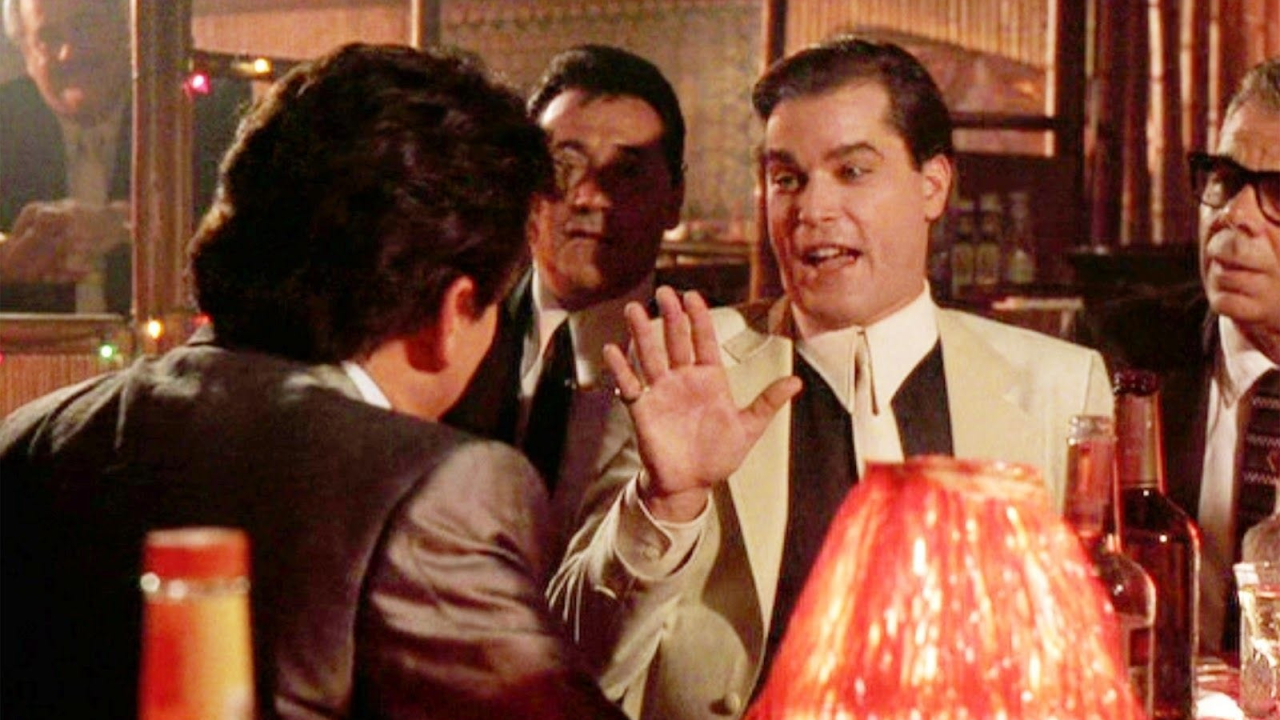
“Funny how? I mean, funny like I’m a clown? I amuse you?” This line is part of one of the most famous scenes in ‘Goodfellas‘ and one of the most unsettling as well. In a matter of seconds, Martin Scorsese turns a lively dinner-table story into a small nightmare, as Joe Pesci’s Tommy DeVito fixes Ray Liotta’s Henry Hill with a stare and starts tearing apart what should have been an innocent compliment. The scene works because it feels unstable from the inside out. Henry does not know whether Tommy is joking. Everyone else at the table goes quiet, and the audience suddenly realizes just how dangerous the man can be.
But that tension was not invented out of thin air. The “Funny how?” exchange grew out of a real story Pesci had carried with him since he was young, when he made a mistake of telling a mob-connected man he was “funny” and immediately found himself in a very uncomfortable conversation. Scorsese saw the potential in the anecdote, worked it into ‘Goodfellas,’ and helped turn one of Pesci’s real-life memories into the film’s most iconic scene.
Joe Pesci Drew The Scene From A Real Teenager Encounter
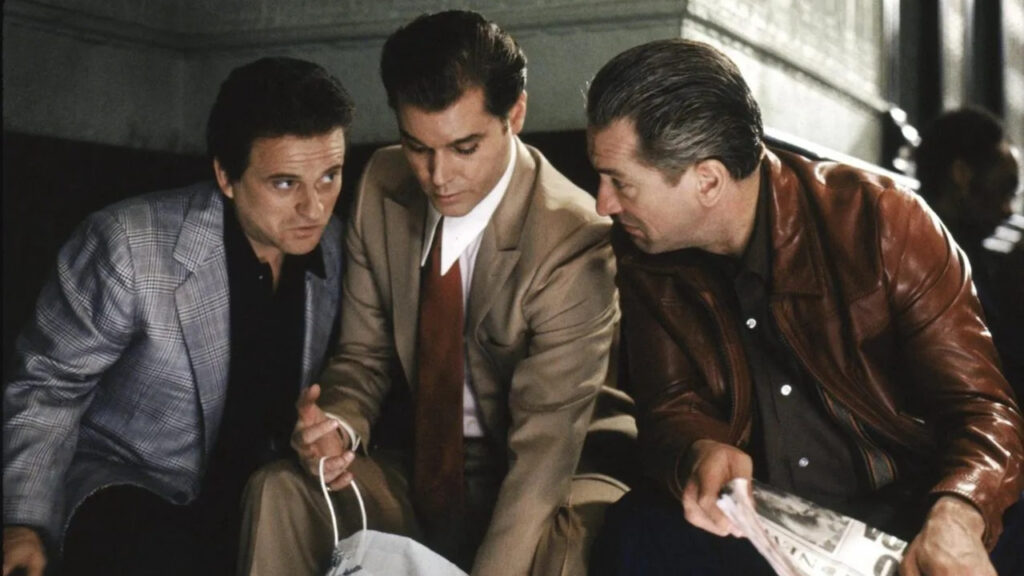
Long before ‘Goodfellas’ made him an Oscar winner, Pesci worked in restaurants and clubs while trying to build a career in entertainment. One story he later told Scorsese came from that period, when he was a teenager serving men with mob ties at a restaurant in New York.
Related: The Unexpected ‘Goodfellas’ Detail Robert De Niro Refused to Fake
According to Pesci, one of the men at a table had been telling stories and making people laugh, so he tried to compliment him. He told the guy he was “funny.” Instead of taking it as harmless praise, the man reportedly turned cold and demanded to know what Pesci meant by that.
Funny how? Was he there to amuse people? Was he some kind of clown? The exchange was not identical to the scene as it appears in ‘Goodfellas,’ but the emotional core was the same. Pesci had stumbled into a situation where a casual remark suddenly became a threat.
He had to figure out in real time whether he had accidentally offended someone dangerous. That sharp turn from ease to panic stayed with him. It also gave Scorsese something valuable when ‘Goodfellas’ went into rehearsal.
He got a story that captured the world’s volatility the film was trying to depict. Gangsters in Scorsese’s films do not only threaten people with guns or beatings. They can also make an ordinary conversation feel like a trap.
Scorsese And Pesci Turned The Anecdote Into A Scene During Rehearsals
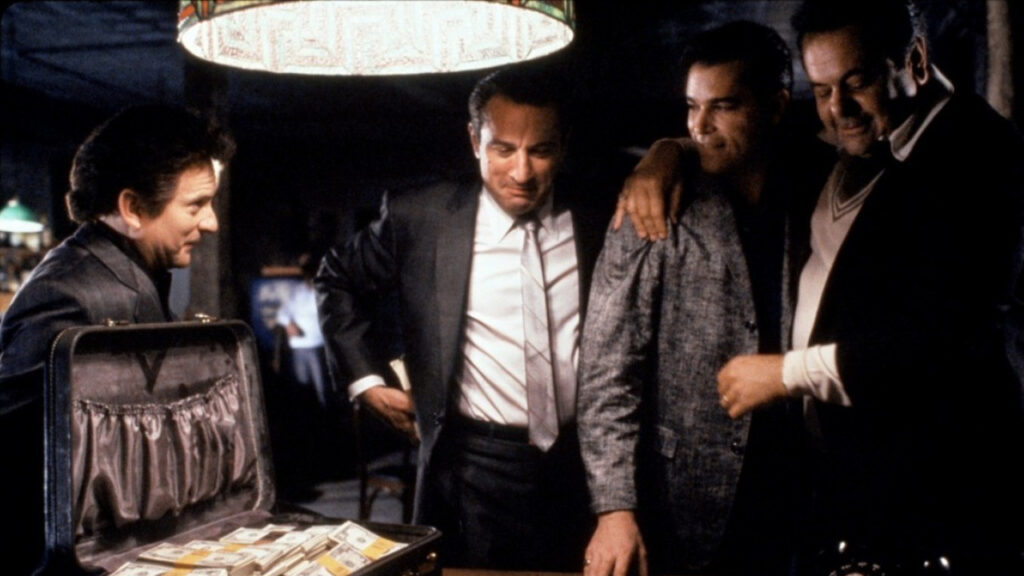
Once Pesci told the story, Scorsese immediately recognized what it could do for the film. The anecdote distilled something essential about Tommy DeVito: he is charming and funny until he suddenly is not, and the people around him have learned to live with that uncertainty.
In Case You Missed It: Top 10 Gangster And Crime Movies Of All Time
So rather than just borrowing the idea, Scorsese had Pesci and Liotta work through it in rehearsal. The two actors improvised the scene around Pesci’s memory, building the rhythm of the exchange as they went. Henry starts by laughing and calling Tommy “funny.”
Tommy leans in and asks what he means, and then the whole room seems to freeze while Henry tries to figure out whether he is about to get hit. The power of the scene comes from how long it keeps everyone sitting in that confusion.
Scorsese liked what came out of the rehearsal and folded the refined version into the script. That is why the scene has the snap of improvisation while still feeling carefully shaped. The dialogue sounds messy in the right way, as if Tommy is inventing the humiliation on the spot.
But the beats land with the precision of something already sharpened. It also gave Pesci one of the clearest windows into Tommy’s psychology. The scene is not just a showcase for intimidation.
It shows how Tommy controls a room by keeping everyone slightly off balance, never letting them know whether they are sharing a joke or walking into a threat.
Scorsese Kept The Rest Of The Table In The Dark To Heighten The Tension
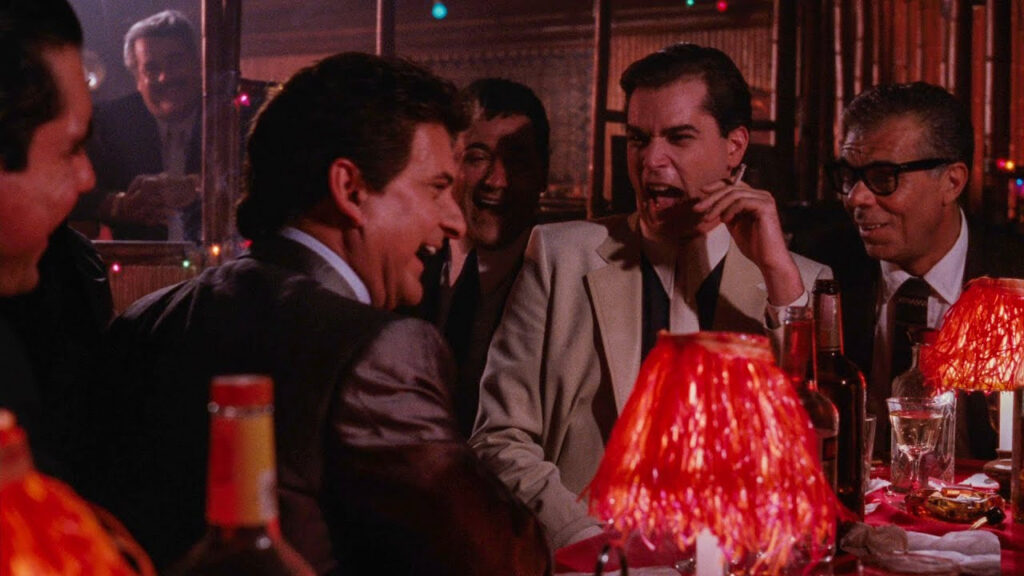
The scene’s atmosphere owes a lot to the people sitting around the table. As Tommy keeps pressing Henry, the laughter dies, the room stiffens, and everyone else seems to retreat into silence. That reaction feels genuine because, in a sense, it was.
Scorsese reportedly only gave the scene script to Pesci and Liotta. The other actors in the scene were not fully told how far the exchange would go, which meant they were reacting in the moment as Pesci suddenly shifted the mood at the table.
Their unease helped sell the scene’s central effect: the sense that a perfectly ordinary night has just tilted into danger. That choice also mirrors Henry’s position inside the scene. He knows Tommy well enough to realize the threat could be fake, but he also knows enough about him to realize it might not be.
The silence around the table makes that uncertainty feel contagious. No one wants to step in because no one wants to guess wrong. The result is one of the defining scenes in ‘Goodfellas’ and one of the clearest examples of how Scorsese used real-life detail to sharpen the film’s violence.
The story may have started with a teenage Joe Pesci making the wrong comment to the wrong man, but on screen, it became something bigger: a perfect illustration of how quickly charm, humor, and menace can collapse into one another in the world of the film.
You Might Also Like To Read: William Shatner Dropped One Big Reason To Return As Captain Kirk At 95