
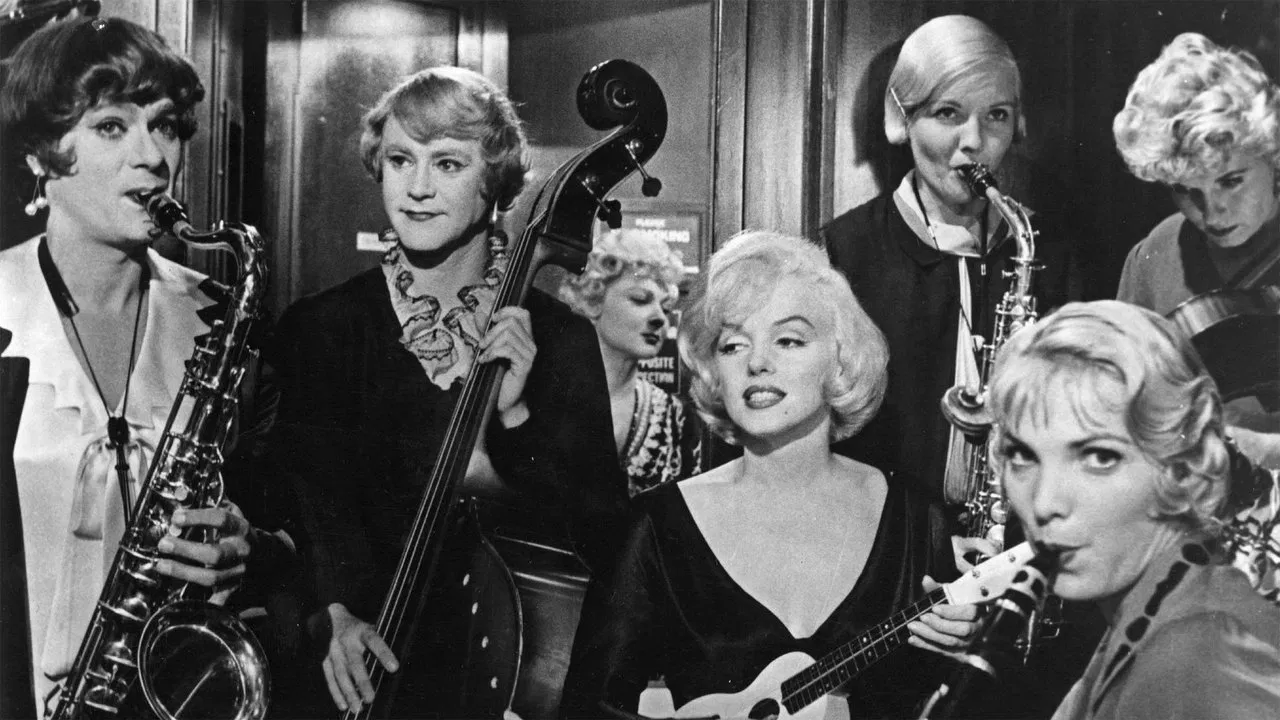
It is safe to argue that when Billy Wilder‘s ‘Some Like It Hot‘ was released in 1959, viewers expected a light-hearted, funny movie centered around two musicians trying to escape from the mob by disguising themselves as women. As such, they could hardly have imagined that a quiet revolution in cinematic artistry was unfolding before their eyes, driven by Jack Lemmon‘s remarkably daring performance. Instead of treating Jerry as nothing more than a disguise designed to generate laughs, Lemmon infused the character with vitality and emotional depth.
The artistic bravery of Wilder and his collaborators went beyond making theatergoers laugh because they provided the movie with a surprise ending. By not punishing its protagonists for breaking conventional gender roles, the filmmakers delivered an unexpected blow to Hollywood’s prevailing moral code. It turned out to be one of the funniest films to break decades-old conventions under the strict, censorious regulations of the epoch.
How Jack Lemmon Mastered A Comic Gimmick
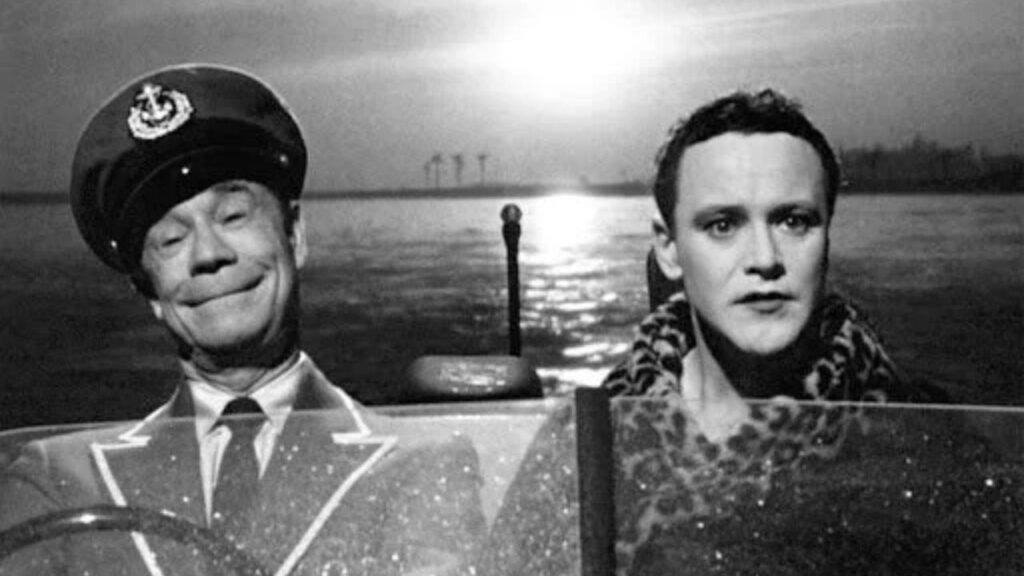
Jack Lemmon’s portrayal of Jerry proved decidedly revolutionary, gradually transforming the character’s alter ego into a fully realized individual brimming with personality and charm.
Instead of portraying Jerry as a man merely dressed like a woman, Lemmon played a person discovering a newfound sense of freedom.
By embracing the disguise of Daphne, Jerry discovered many opportunities, which helped him become a more liberated person able to enjoy things he had never been able to before because of society’s conventions.
The character gradually became comfortable as Daphne and acted as if he were a woman, thereby providing much of the film’s humor through a stark contrast between Jerry and Daphne. The movie provided viewers with a unique example of a mainstream film exploring identity and freedom of choice.
Related: Top 10 Movie Villains With The Saddest Backstories
Lemmon’s physical performance was instrumental in shaping the evolution of Jerry/Daphne throughout the film. Beyond delivering impeccable comic timing, the actor fully committed to the role, creating a character who seamlessly blended in with the women of the band while responding naturally to the increasingly absurd situations around him.
His expressive body language and attention to detail allowed Daphne to feel like a genuine character rather than a simple disguise, adding both authenticity and charm to the performance.
As a result, Lemmon helped make Daphne a classic female character in old Hollywood movies, rather than a simple gag.
The Ending That Quietly Challenged Hollywood’s Rules
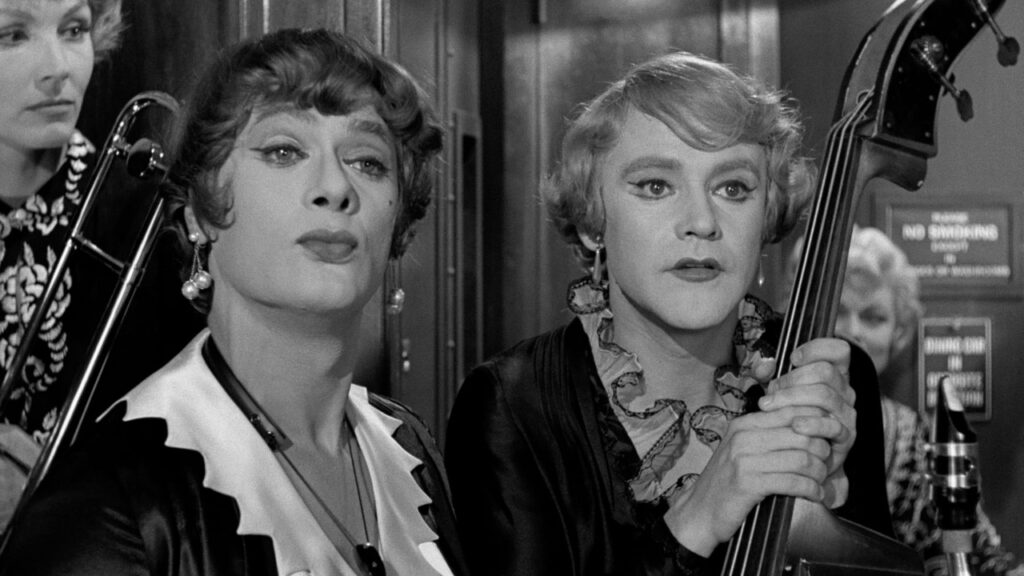
The surprising and hilarious moment occurred toward the end of the movie, when Daphne received a marriage proposal from a wealthy admirer named Osgood.
Trying to avoid a wedding, Jerry confessed that he was actually a man. Astonishingly, Osgood reacted calmly. “Nobody’s perfect,” he said to Daphne with sincerity.
Although the movie was released during the era of the strict Hays Code, this scene boldly defied conventional censorship regulations. Even if the filmmakers aimed only to create a great humorous payoff, they still managed to show the audience that gender roles are not immutable.
In Case You Missed It: How Billy Wilder Turned ‘Some Like It Hot’ From a Box Office Walkout Into a Timeless Comedy Classic
Even decades after the film’s release, the iconic line remains as relevant and impactful as ever because of how effortlessly it conveys its message.
By pushing against Hollywood’s prevailing censorship standards, the filmmakers demonstrated that audiences were more open-minded than many had assumed.
You Might Also Like To Read: The Controversy That Got Marilyn Monroe Fired Before Her Death