
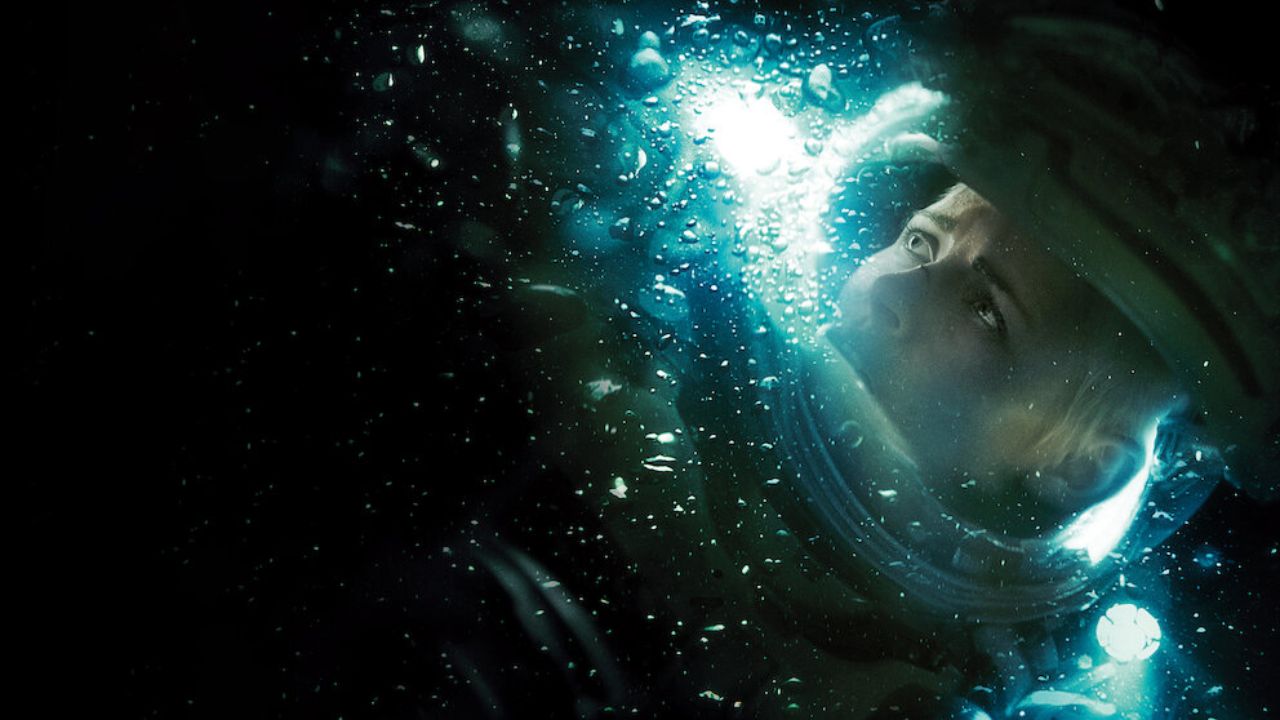
Hollywood loves turning the deep ocean into a survival zone with impossible escapes and exaggerated or flawed scientific logic. Movies such as ‘Meg 2: The Trench’ and ‘Underwater’ may be entertaining, but they often forget how deadly the real deep sea actually is and barely capture its crushing pressure and pitch-black surroundings. Instead of showing the ocean as it truly is, many modern thrillers treat it like a sci-fi battlefield built purely for spectacle and shock value.
Underwater, similar to science fiction, is often based on the impossible. Movies with such a genre or setting make it seem as if all the action takes place in a magical Midnight Zone. But in fact, many marine biologists have regarded it as distant from the reality of the ocean depths as modern sci-fi films are from science. Here are some arguments that will prove how Hollywood gets the ocean wrong in a major way.
Pressure, Bioluminescence, And The Biological Tax of Survival
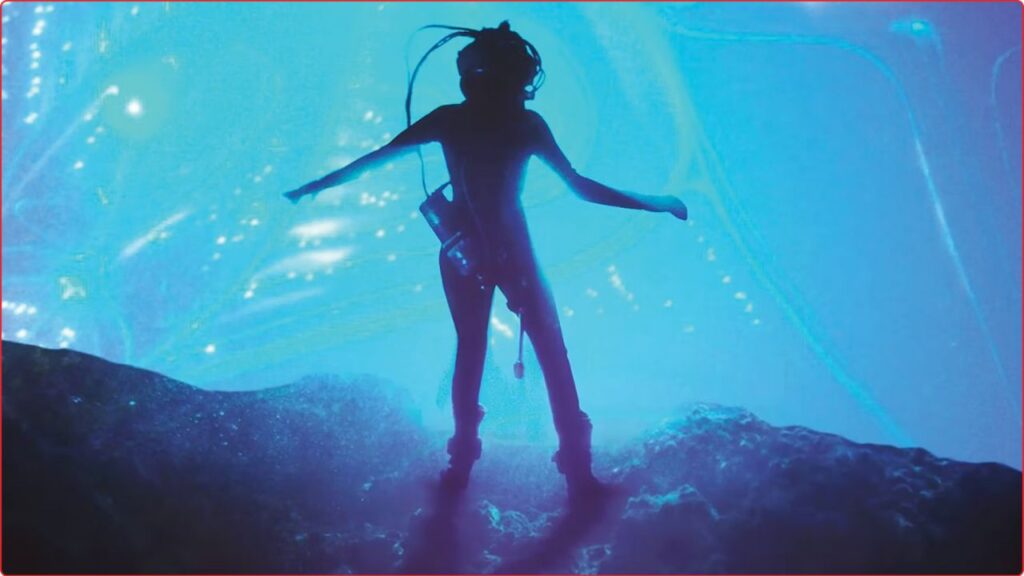
The key element in underwater thrillers or horror films is, of course, the pressure laws of the deep ocean. According to James Cameron, the director of ‘The Abyss’ and ‘Aliens’, the pressure in the Mariana Trench equals 16,000 pounds per square inch. Metaphorically speaking, that is equal to the weight of an elephant on a finger. Many movies can illustrate this conflict between the realities of the deep ocean and Hollywood tropes.
Related: Lupita Nyong’o Documents The Intense Underwater Training She Did For ‘Black Panther 2’
Firstly, there is no possibility of any implosion in the form of a bursting balloon. On the contrary, anything reaching the Mariana Trench in its unprotected form will instantly be subjected to compression and change its shape completely. Thus, a plot of explorers moving around the bottom of 25,000 feet in deep waters while removing their diving suits in movies such as ‘Underwater’ and ‘The Abyss’ looks unrealistic. Secondly, there are no monsters that could rise to the surface and attack people on the beach or scuba divers.
Piezolytes, substances that help maintain the membranes of deep-sea monsters, dissolve under normal conditions. Hence, when the creature reaches the surface, its body should ideally melt into jelly. Then there is the classic bioluminescence trope, which is all about visuality underwater through blue light. Many directors use it to make it easier for the audience to understand what is going on. But guess what? That reality is the opposite of that.
Deep-sea water beyond the bathypelagic zone (beyond 1,000 feet) receives no sunlight. As such, the deep-sea floor is pitch-black, not blue. Further, the bioluminescence of deep-sea creatures is hardly comparable to glowing neon signs illuminating everything. The phenomenon actually attracts predators that might devour the monster’s enemies, while its other role is fishing. To illustrate the abyss as accurately as possible, filmmakers should avoid blue tones and instead shoot in total darkness, with occasional flashes of “light.”
The Zone Of Giantism
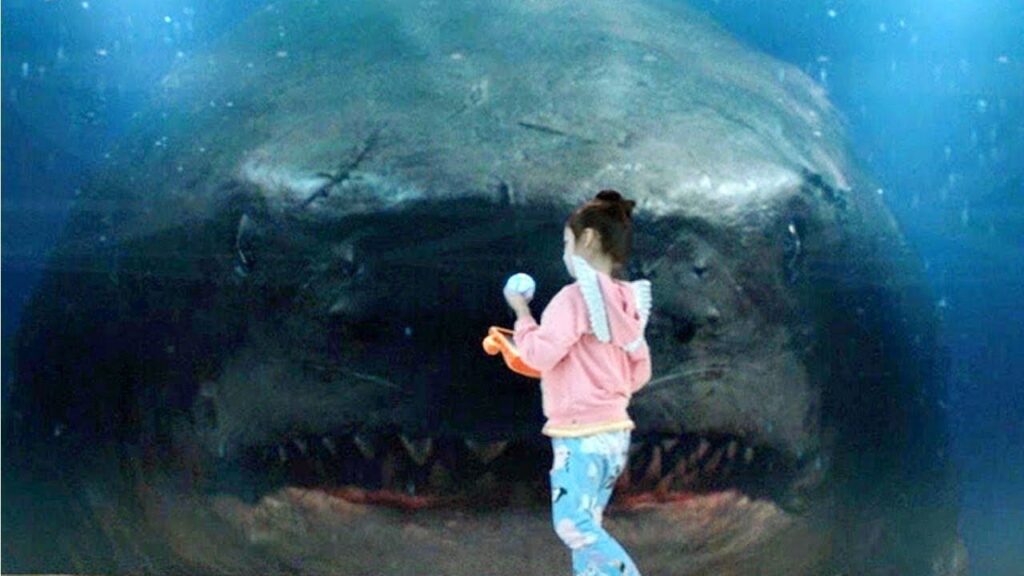
The deep sea earned its nickname, the “zone of gigantism,” because it hosts giant animals and unique fauna. For example, the plot of ‘The Meg’ exploits the “isolated trench” trope in order to explain why the 75-foot monster was not discovered before. At the same time, it should be mentioned that there is no source of energy for a giant to survive in the abyss, as most deep-sea creatures live on marine snow, organic particles falling to the bottom of the ocean.
In case you missed it: Could Humans Live in Underwater Cities in Future?
As for the famous Megalodon (shark), which served as the basis for the movie character in ‘The Meg,‘ it requires a lot of energy. However, the hadal zone (20,000 to 36,000 feet) is a food desert. As for colossal squids, they are rare because of their metabolic efficiency. Consequently, the gigantism-in-deep-seas trope contradicts energy budget principles.
To sum up, it can be argued that Hollywood thriller films do not accurately depict the underwater world, primarily because of its unique nature. First of all, it is difficult to make a 90-minute film that demonstrates calmness and energy economy in deep waters. Also, one can hardly speak of the beauty of translucent creatures, presenting them as monsters. Finally, the most frightening part of the deep-sea abyss is its inaccessibility to humans.
You might like to read: Tom Cruise’s Underwater Sequence In ‘Mission: Impossible – The Final Reckoning’ Almost Turned Deadly