My initial perception before watching Jay Kelly was that it’s a movie about fame, ego, and late self-realization. Sure, it’s about that: a successful actor finishing one project, waiting for the next, moving through life surrounded by people who make sure nothing ever gets too difficult. But as the film moves ahead, that comfort starts to feel unsettling.
Noah Baumbach has always made films that feel close to real life, even when they aren’t directly autobiographical. Jay Kelly, co-written with Emily Mortimer, fits right into that space. It follows Jay, a movie star who has everything and suddenly realizes how little of it feels real. Clooney plays him, and his charm works exactly the way it’s supposed to. It makes you forgive Jay even when he behaves badly. That’s part of the problem. It’s hard to fully feel sorry for him, even when he starts questioning his life.
Watching Jay Kelly Made Me Care Less Than I Expected
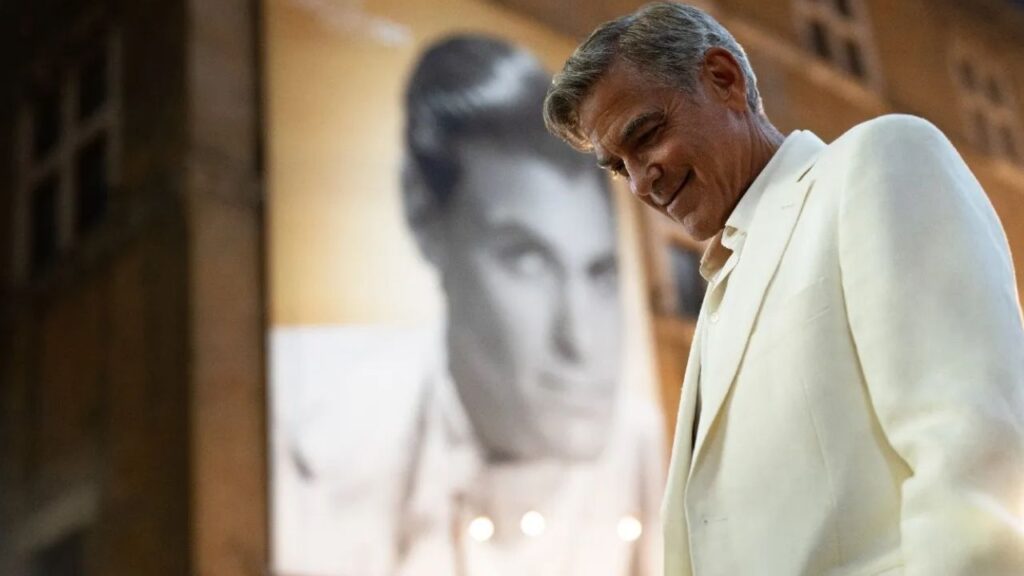
The film opens with a long shot moving through a busy movie set before landing on Jay as he finishes his final scene. We see Jay asking to redo a scene because he thinks he can do it better. Initially, it seemed like just an ‘actor’ thing to do, but as I kept watching the movie, it felt like he was someone stuck in a loop. It’s how he’s lived his life, always assuming there will be another take later.
Related: George Clooney Is The Reason Behind Michael Keaton’s Disastrous ‘Jack Frost’
It clearly shows how protected and privileged his world is. He thinks there’s always a chance to redo, even in real life. Jay’s life is wrapped in comfort. He has a private jet, a full team of assistants, chefs, stylists, and handlers who manage his world for him. Everyone around him knows their role, and Jay rarely has to deal with problems himself.
When Jay finishes his shoot and suddenly has two free weeks, he wants to spend that time with his youngest daughter, Daisy, before she leaves for college. But that hope doesn’t last long. Daisy tells him she’s already planned a Europe trip with her friends and doesn’t want him tagging along. What surprised me the most was how normal the situation felt to her. She already moved on with her plans. It’s like this is something she’s done many times before.
Then comes the death of Peter Schneider, the director who gave Jay his big break. We get to know that Jay never really showed up for Schneider when his career struggled later, even though he was the one who was the reason behind his success. Even though he felt guilty, it was already too late for him to return the favor. What surprised me most is that the pattern isn’t a one-time thing. He keeps repeating it one way or the other.
Soon after, Jay reconnects with an old acting-school friend, Tim, and soon, the friendly chat turns bitter as he brings back memories of his younger, more ruthless self. On meeting, Jay keeps talking down his success while still sounding dismissive. Old frustration quickly comes back, and the evening ends in a fistfight.
Ron Was the Character I Couldn’t Stop Thinking About
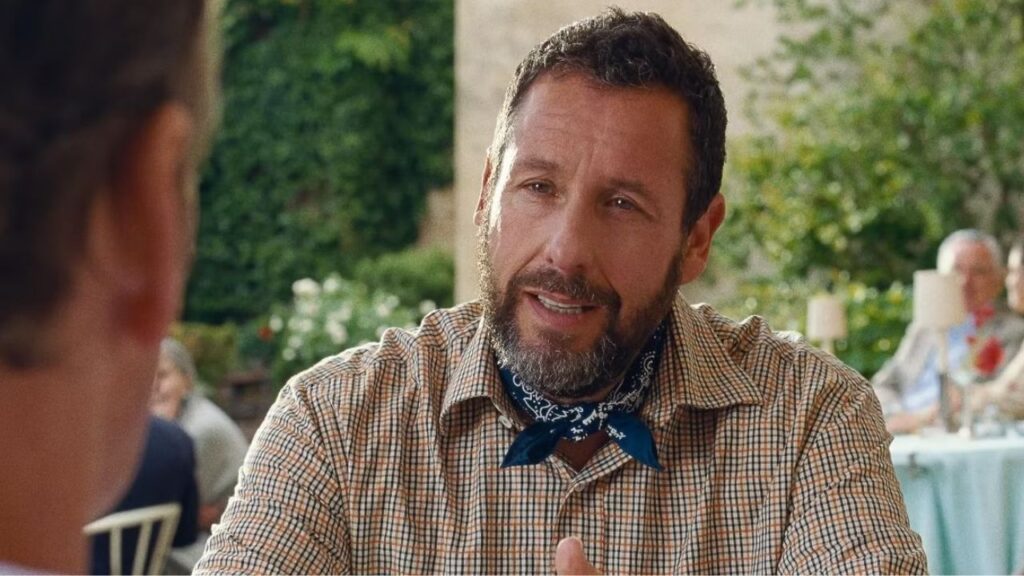
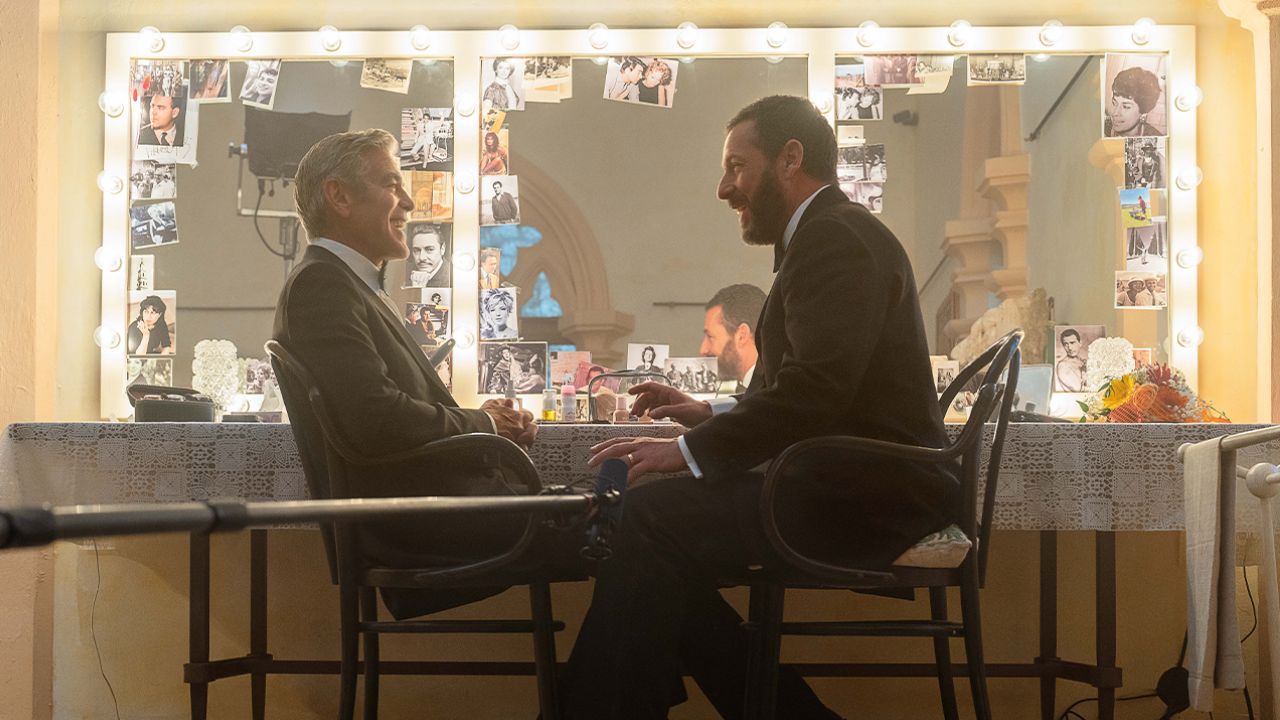
If I’m being honest, Jay himself didn’t always pull me in emotionally. Clooney’s charm makes him easy to watch, but it also makes it hard to fully feel sorry for him. The person who really stuck with me was Ron, his manager, played by Adam Sandler. Ron is always there. Always fixing. Always available. Whether it’s handling a serious issue or making sure Jay’s favourite cheesecake keeps appearing because it was once written into his rider. Ron absorbs everything, so Jay doesn’t have to. It seems like Ron has built his entire life around someone else’s needs.
In case you missed it: “I Was Very Proud Of Those Guys”: George Clooney Pitches Louvre Heist Inspired ‘Ocean’s 14’
That imbalance becomes impossible to ignore when Jay casually frames their relationship as a business deal and describes Ron as a friend who takes a percentage of his earnings. It hits very hard. Ron clearly sees the relationship as personal, while Jay treats it as transactional. Ron’s wife, Lois, has every reason to be tired.
She’s lived her life around someone else’s priorities for too long. It’s a perfect example of how someone can slowly give up their own life for another person, little by little, until almost nothing is left for themselves. Even after years of devotion to Jay, Ron could neither earn Jay’s loyalty nor achieve a fulfilling work-life balance for his family.
The Ending Explained
Things go from bad to worse soon when Jay backs out of his next film, and assault charges are filed against him. What made this stretch even more devastating was how lost Jay feels inside the chaos. None of these decisions feel thought through. It seems like he’s trying to grab control of something, in fact, anything, instead of dealing with what’s actually hurting him. Even with so much success and privilege, he’s constantly scrambling emotionally.
Jay is constantly making mess after mess without realizing the damage he’s causing. At the same time, Ron never stops fixing things. While Jay keeps acting on impulse, Ron stays in full cleanup mode, quietly handling the fallout. He even convinces the festival to give the award to another client, Ben Alcock, a younger actor with a stable family life and a healthier way of handling his career. It seems like Ron is trying to cover up his guilt of not prioritizing his family by appreciating Ben’s.
Once the film moves to Europe, it becomes uneven. Officially, the trip revolves around a lifetime achievement award in Tuscany, which he intially denied. But emotionally, it’s about unfinished family business. Jay wants to see his younger daughter, Daisy, during her backpacking trip before college, while his older daughter, Jessica, remains distant because he was absent from her childhood.
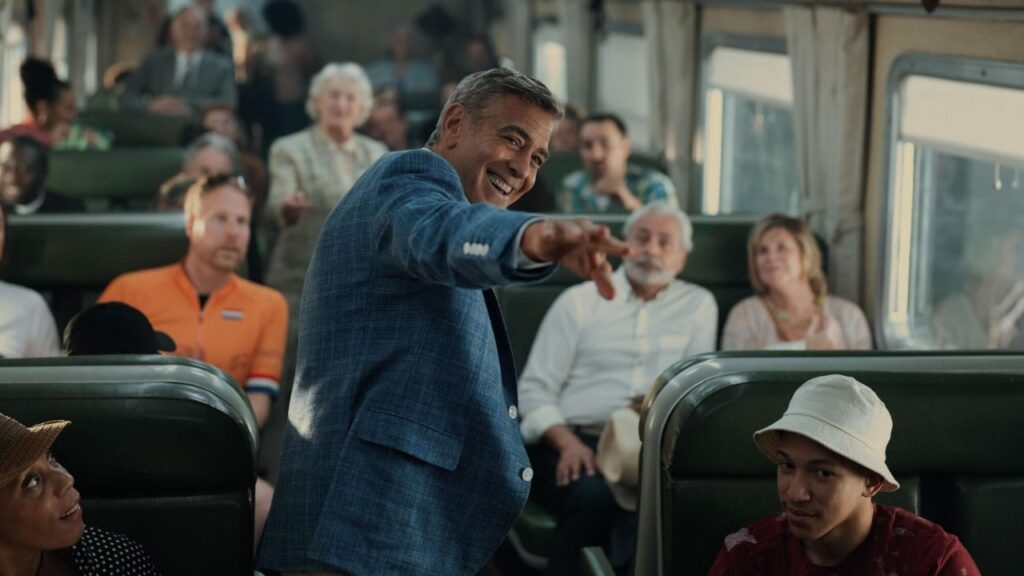
Much of the film takes place on a train ride from Paris to Tuscany. Jay turns a train carriage full of tourists into his audience, soaking up all the attention. For a brief moment, he even convinces himself that he’s finally connecting with everyday people. But he isn’t. It feels like Jay is trying too hard because he doesn’t know how else to exist outside the spotlight.
Then comes the chase through the streets, where Jay runs after a thief like he’s inside one of his own movies. These scenes feel just like distractions. It’s as if Jay is creating noise and drama so he doesn’t have to slow down and deal with what’s really bothering him. However, his own team grows more exhausted by the minute. Eventually, most of them leave, and Ron is the only one still standing by Jay’s side.
But aside from Jay, what stole my focus the most was the conversation between Ron and Liz. Their past comes into focus, and it becomes clear why their relationship never stood a chance. Jay always came first. There was never space for anything else. Just like Ron is ignoring his family now, he ignored his relationship with Liz.
Tuscany brings a softer stretch of the story by introducing Jay’s father, Stacy Keach. Keach wins people over instantly, unlike Jay, and he doesn’t even need charm or status to do it. It seems like Jay has always seen his father as his unachievable goal. Jay has spent most of his life chasing approval that never really came. Even now, after all his success, he feels like he achieved nothing. Maybe that’s part of why Jay connects with people in his life.
By the end, we see Jay watching a tribute reel of his own career and growing emotional. But as he watches, the film doesn’t suddenly change him. The scene that was a major highlight comes near the end, when Ron admits that most of his memories are movies. Jay may start questioning his life. However, Ron is the one who sees what he lost. Sure, Jay Kelly isn’t perfect, and it isn’t Baumbach’s strongest work. You’ll wonder whether you’re ready to pay the cost, and what happens when you realize it too late.
You might also like to read: Amy Poehler Reveals How George Clooney Fooled Her Into Sending Matt Damon A Fruit Basket