
Sherlock Holmes has become more than just a book character over the last century, inspiring countless spins on his story. But though Holmes has been solving impossible mysteries for over a century, the strangest case involving the legendary detective actually happened in real life.
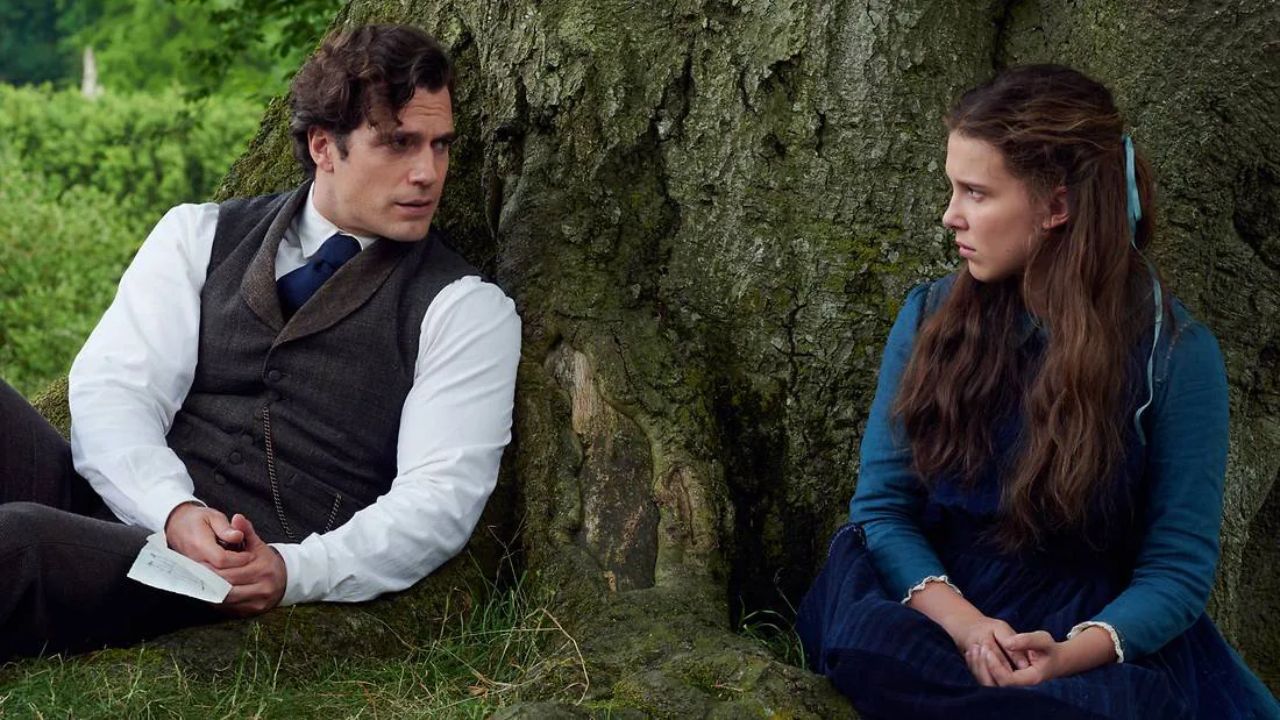
Before Netflix’s ‘Enola Holmes’ even premiered, it found itself at the center of a very unusual copyright lawsuit. The reason? The film portrayed Sherlock Holmes as too emotional.
The Real Reason Why ‘Enola Holmes’ Ended Up In Court
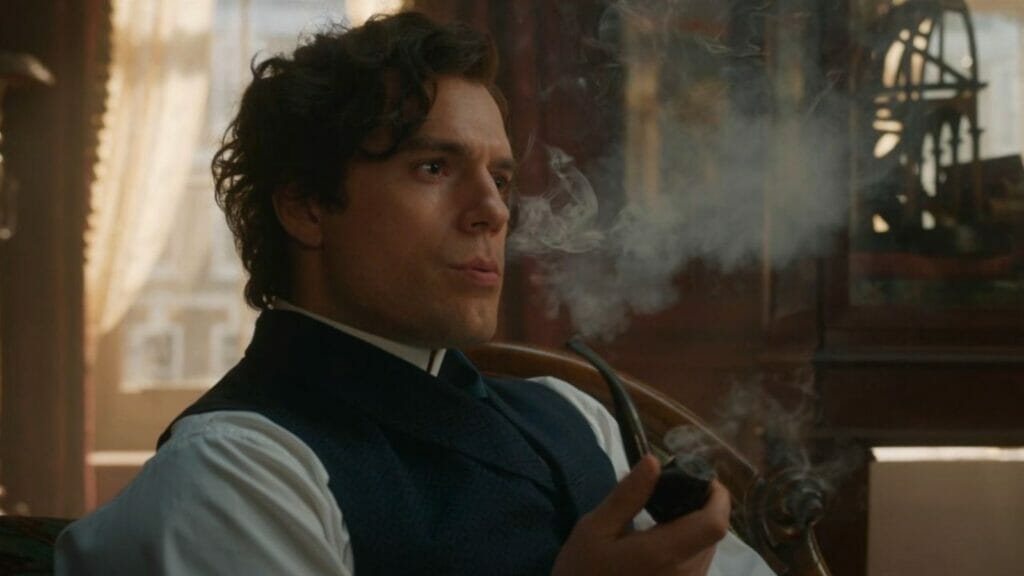
Most fans know that there are countless adaptations of Sherlock Holmes, as Sir Arthur Conan Doyle’s works have entered the public domain over the years. Since Doyle died in 1930, copyright protection gradually started to expire on his stories, beginning with the first novel ‘A Study in Scarlet’.
Related: How ‘Young Sherlock’ Fixes A Moriarty Problem Left Behind By BBC’s ‘Sherlock’
This is why author Nancy Springer was able to publish her ‘Enola Holmes’ novels in 2006. Her books introduced Sherlock’s brilliant younger sister by borrowing the famous detective and his literary world.
The problem was that not all of Doyle’s Holmes stories were free to use at the time. Ten Sherlock Holmes stories published between 1923 and 1927, later collected in ‘The Casebook of Sherlock Holmes’, were still under copyright. That’s when Netflix decided to produce ‘Enola Holmes’.
Before the film was even released in 2020, the Conan Doyle Estate sued Netflix, Legendary Pictures, Penguin Random House, and Nancy Springer, claiming they had copied elements that only appeared in those final protected stories.
Instead of any particular plot or famous line, the lawsuit focused on something far more unexpected: the personality of Sherlock Holmes.
The Strange Debate Over Sherlock Holmes’ Personality Being Too Emotional
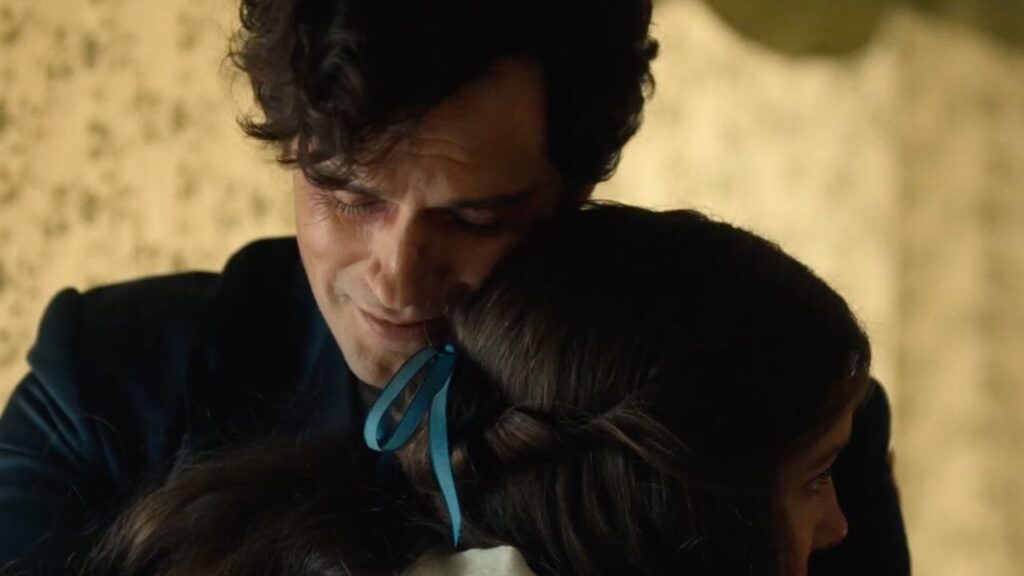
The Conan Doyle Estate argued that the Sherlock Holmes readers met in the early stories was cold, distant, and almost entirely driven by logic. The lawsuit stated that it was only in Doyle’s final ten stories that we saw him changing. Doyle himself suffered from the loss of his son during the First World War. That’s why his character and writing also became warmer and more compassionate.
In Case You Missed It: ‘Sherlock Holmes’ Universe Expands With Modern Crime Procedural Focus on James Moriarty
The complaint claimed that these later stories introduced new character traits. Holmes became much more capable of empathy, friendship, emotional expression, and a greater respect toward women. In the Estate’s view, these additions remained protected by copyright until the last stories entered the public domain.
That is why Henry Cavill’s gentle and supportive Sherlock in ‘Enola Holmes’ became the focus of the case. The Estate argued that Netflix had portrayed the later, kinder version of Holmes without paying for a license. In other words, they believed the film borrowed the copyrighted character development and not just the character itself.
Netflix and other defendants strongly disagreed. In the court filings, they argued over whether copyright law can grant someone ownership of emotions. Reportedly, the lawsuit never received a final answer. Later in 2020, the parties reached an undisclosed settlement, and the case was dismissed.
But this means the court never decided whether emotional growth in a public-domain character could actually be protected by copyright. As a result, one of the most unusual copyright questions in modern pop culture remains unanswered.
On January 1, 2023, the final ten Holmes stories entered the public domain. That means every Sherlock Holmes story written by Conan Doyle is now free to adapt, and we might not get an answer to this dilemma anytime soon.
You Might Also Like To Read: Classic to Modern, The Best Sherlock Holmes Adaptations