

‘The Boys’ season 5 is gaining momentum at an unrelenting rate, and episode 3 makes one thing obvious: the balance of power is changing, and not in favor of the heroes.
Although the episode provides its typical dose of anarchy and spectacle, the conclusion provides a more disturbing lesson: Homelander is no longer responding to threats; he is actively building the board, and everyone is scrambling to keep pace.
Homelander Is Not Only Dangerous Anymore But He Is Calculated

Homelander has been characterized by volatility throughout most of the series. His erratic nature made him frightening, yet it made him messy. This is no longer the case. This episode presents a more controlled version of Homelander, which is, in fact, worse. He is not only seeking survival in his quest for V-One, but permanence.
Related: ‘The Boys’ Season 5 Turns Soldier Boy Into The Story’s Most Valuable Asset
His motives are chilling as he wants to become untouchable, even immune to the supe virus. He no longer seeks approval or validation. He thinks that he is already superior to all. That change of attitude is not very obvious but important. It describes why his deeds are more chilly, calculated. Even his interactions carry a sense of quiet certainty, as if he’s already decided how everything ends, and is simply moving the pieces into place.
Stan Edgar’s Capture Changes Everything
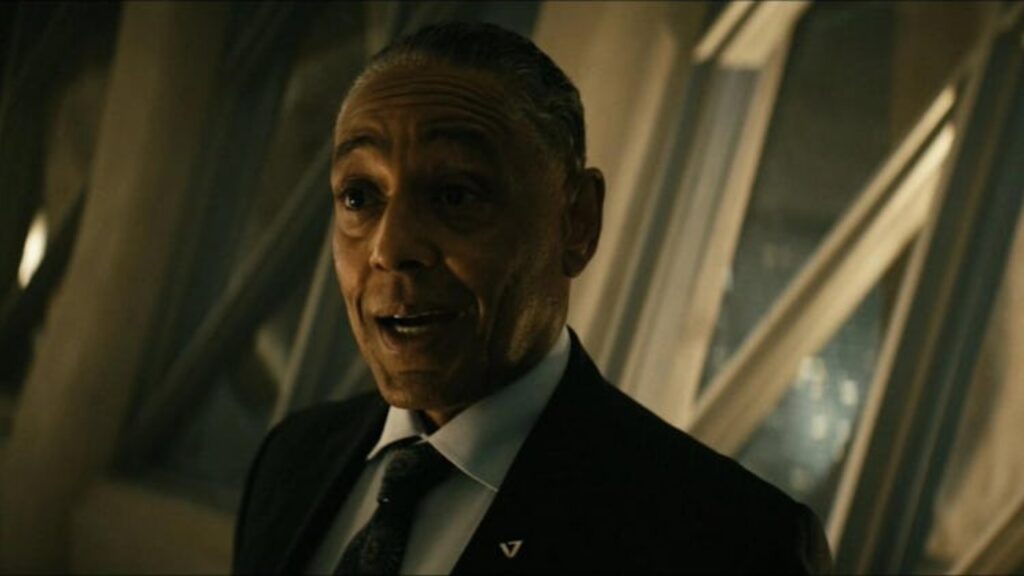
The capture of Stan Edgar is, perhaps, the moment that really characterizes the end of episode 3. Stan is one of the few individuals who could stand in front of Homelander without fear over the years. That was what made him so special, so powerful, not physically, but psychologically. That is no longer the case.
In case you missed it: What Does Billy Butcher Mean By “Scorched Earth” In ‘The Boys’?
Having Stan in custody, Homelander gets access to something much more valuable than brute strength: knowledge. The secrets of Vought, the truth about V-One, and the history of it all might now be within reach. It also prepares the way for something more strategic. Stan is not a prisoner; he is leverage.
Whether it’s through intimidation, manipulation, or threats against those close to him, Homelander has multiple ways to extract what he needs. In the meantime, the other members of the group have been left with pieces, a file, bits of leads, and time running out.
It sets a sharp contrast: one side is clearly in control, the other is stuck piecing together a puzzle that may already be too late to solve. This is what makes this episode land so well. No dramatic climax, no triumphant twist, no silent understanding that the villain might already be winning.
You might like to read: ‘The Boys’ Just Turned Superheroes Into Influencers And It’s Uncomfortably Real