
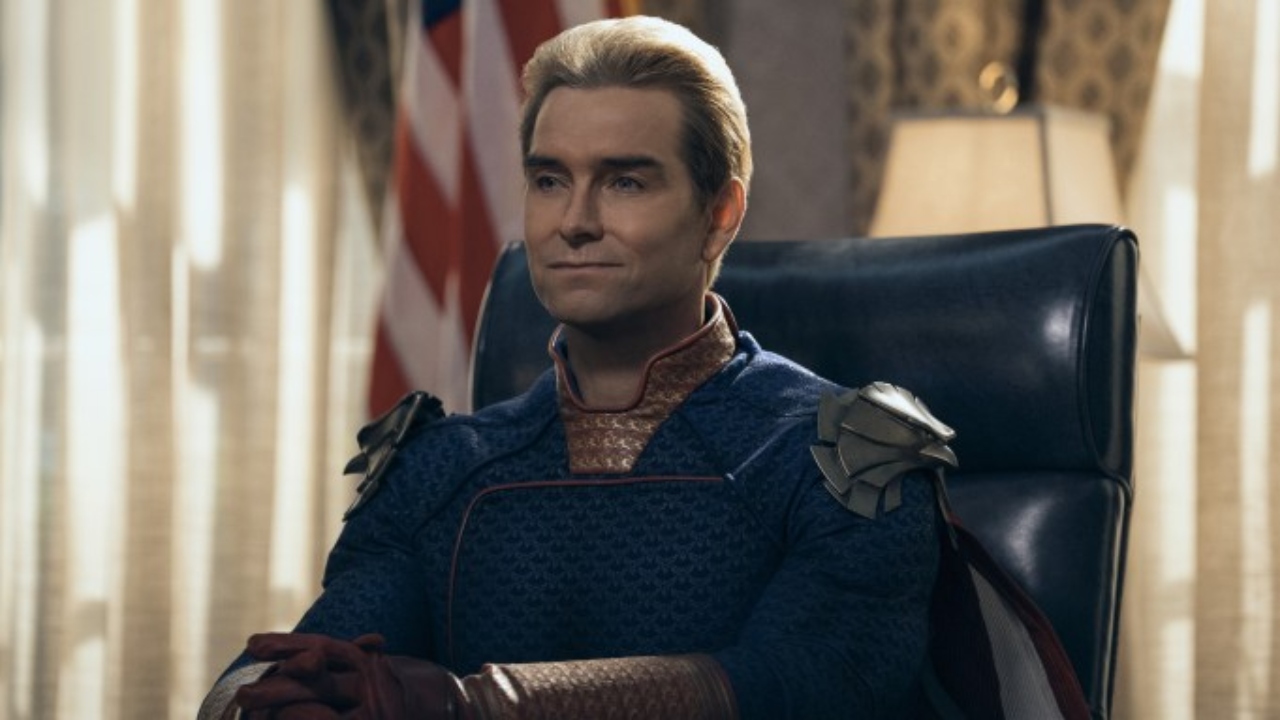
‘The Boys’ started as a dark take on the superhero genre, revealing the dark underbelly of superhero culture, including corruption, corporate greed, and the results of celebrity worship.
Vought International made superheroes sellable stars; Homelander was the embodiment of the dangers of unchecked power. However, as the series went on, it started to look more like the system it was attacking.
When Satire Became Same Old Spectacle

‘The Boys’ first seasons brought light to the absurdity of superhero culture. The first episode opens with A-Train accidentally running through Hughie’s girlfriend Robin, setting up the main theme of the show: that ordinary people are expendable when superheroes aren’t. A-Train is not held accountable, and it’s just another accident for Vought to deal with.
Related: 10 Best Celebrity Cameos in ‘The Boys’ Ranked
The series also wittily parodied celebrity culture with the Seven. Homelander’s carefully constructed public persona, with his patriotic speeches and appearances. It demonstrated the ability of corporations to peddle an illusion of heroism. This criticism was taken up to the next level with his infamous plane scene in Season 1.
Instead of saving the passengers, Homelander leaves them to die, as saving them would reveal Vought’s error. The violence was justified in these moments. Under the blood and dark humor, there was a clear message of power, propaganda, and those who benefit from tragedy.
But as the show went on, the shocking moments became more of an attraction. The social commentary that set this series apart was lost in its graphic violence, disturbing sexual humor, and increasingly outrageous storylines.
Homelander Became The Show’s Biggest Attraction
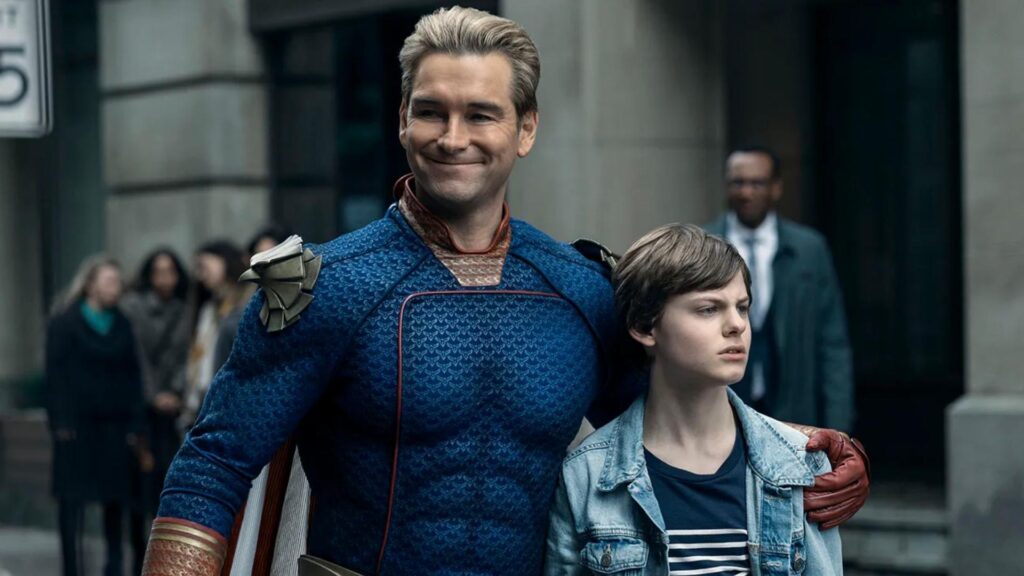
The most interesting change was Homelander himself. At first, he was a frightening caricature of the quintessential American superhero, with a highly insecure and dangerous personality behind his pleasant smile. He became a potent symbol of authoritarianism as he increasingly became obsessed with gaining public approval and threatened anyone who challenged him.
The infamous Herogasm episode of Season 3 took the show to another extreme, making what was already a weird superhero gathering even more bizarre and full of destruction. The episode was more than just a continuation of the series’ tradition of outrageous satire; it also illustrated how shock value can become the primary selling point.
As Homelander’s violent outbursts grew more public, especially after he killed a protester in the Season 3 finale, it became clear that society will tolerate nearly anything coming from a worshipped figure. The cheering crowd makes the moment genuinely disturbing because the show isn’t just criticizing Homelander anymore; it’s examining the people who worship him.
That’s where the irony gets hard to swallow. ‘The Boys‘ condemns audiences for their consumption of violence, their idolization of celebrities, and their encouragement of increasingly extreme behavior, but it often depends on the same to keep audiences entertained.
The message in the series isn’t necessarily lost. Instead, it risks burying that message beneath the spectacle. And perhaps that’s the most uncomfortable part: a show about a corrupt entertainment machine can become trapped by the very thing that made it successful.