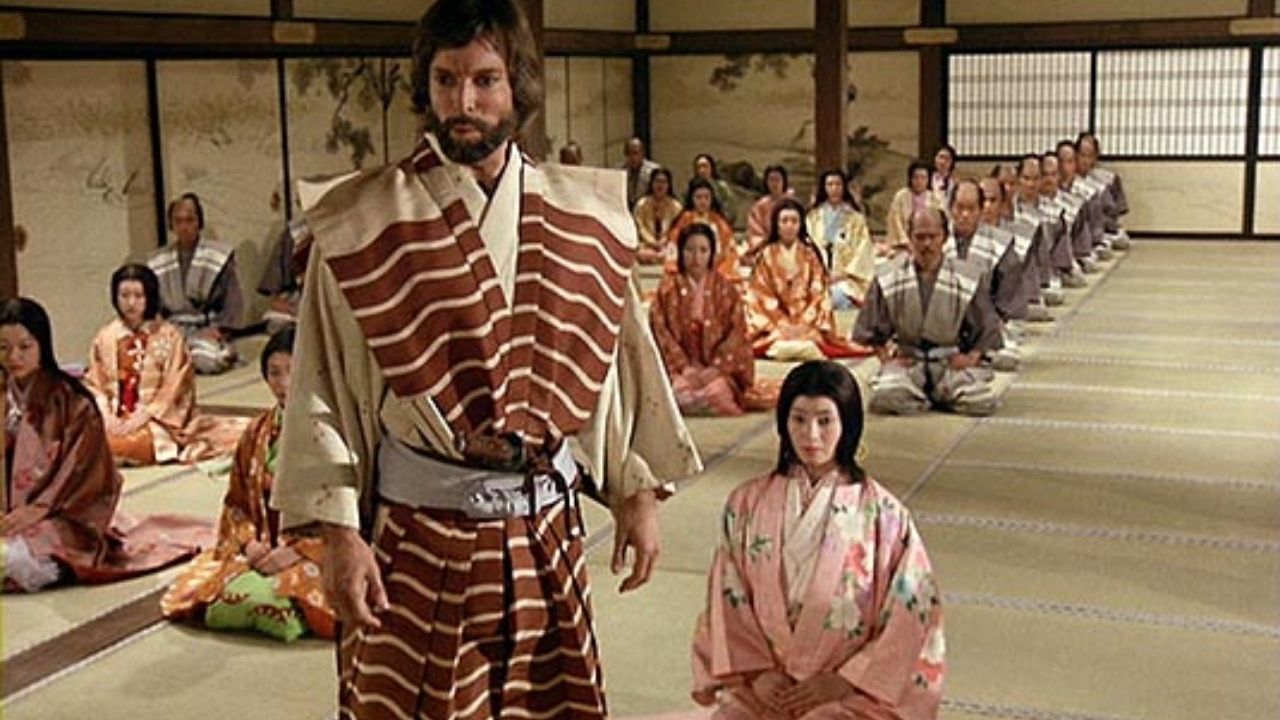
The huge success of FX’s ’80s Shōgun’ has encouraged many viewers to look back at the original 1980 miniseries, expecting a classic that still holds up. After all, the earlier version was a major TV event in its time and pulled in massive American audiences when it first aired.
However, actually watching the 1980 series today tells a very different story. What once felt bold and immersive now feels dated, uneven, and difficult to sit through. The gap between the two adaptations makes it clear why the ’80s Shōgun struggles with modern viewers.
Why the ’80s ‘Shogun’ Is Hard to Watch Today
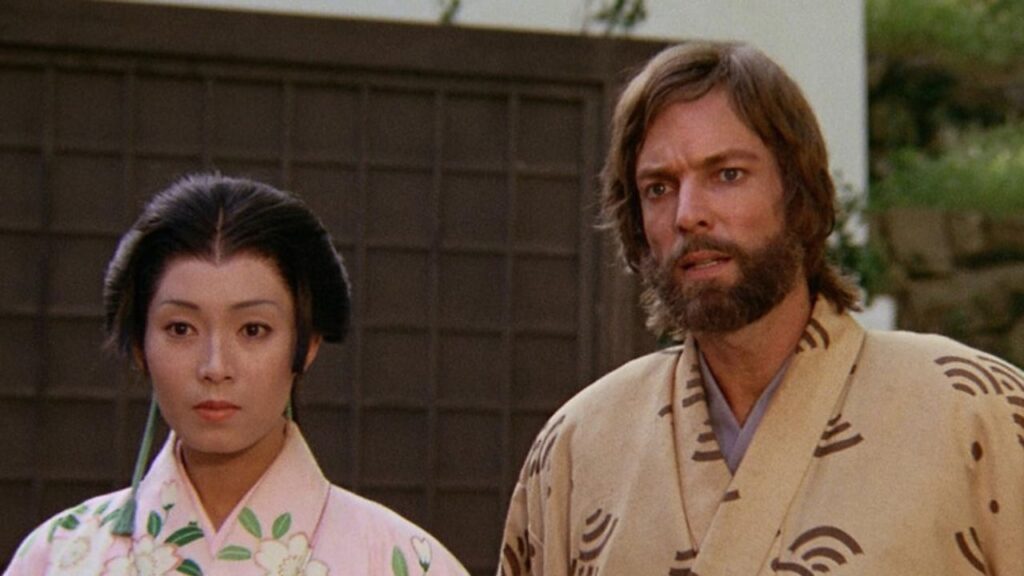
The main issue with ‘Shogun‘ is its narrow point of view. The show stays almost entirely with Blackthorne and keeps Japanese characters at a distance. Large sections of Japanese dialogue appear without subtitles, which leaves today’s viewers confused instead of engaged. This choice limits the story in a big way. Key characters like Toranaga and Mariko never receive the depth they have in ‘Shōgun‘.
Related: What Makes ‘Shōgun’ A Must-Watch Historical Drama?
Instead of understanding their thoughts and motives, the audience only sees what Blackthorne sees, which flattens the emotional impact. Modern viewers expect cultural context and a better balance of characters, especially in historical dramas. The 1980 series doesn’t provide that, making long stretches feel slow, distant, and hard to follow.
A Creative Decision That Did Not Age Well
Showrunner Eric Bercovici made these storytelling choices on purpose. He believed the novel was too large to adapt fully and wanted American audiences to experience the confusion of being in a foreign culture through Blackthorne’s eyes. While that approach worked in 1980, it struggles today. The lack of subtitles no longer adds tension or realism.
In case you missed it: Watch: ‘Shogun’ Star Anna Sawai Gets Emotional Speaking To Tom Hiddleston About Playing A “Real Japanese Character” She Can Relate To In The Series
Instead, it creates a barrier that pushes viewers out of the story rather than pulling them in. Japanese audiences reportedly raised concerns even when the miniseries first aired, pointing to historical inaccuracies and shallow portrayals. Watching it now, those issues stand out even more clearly.
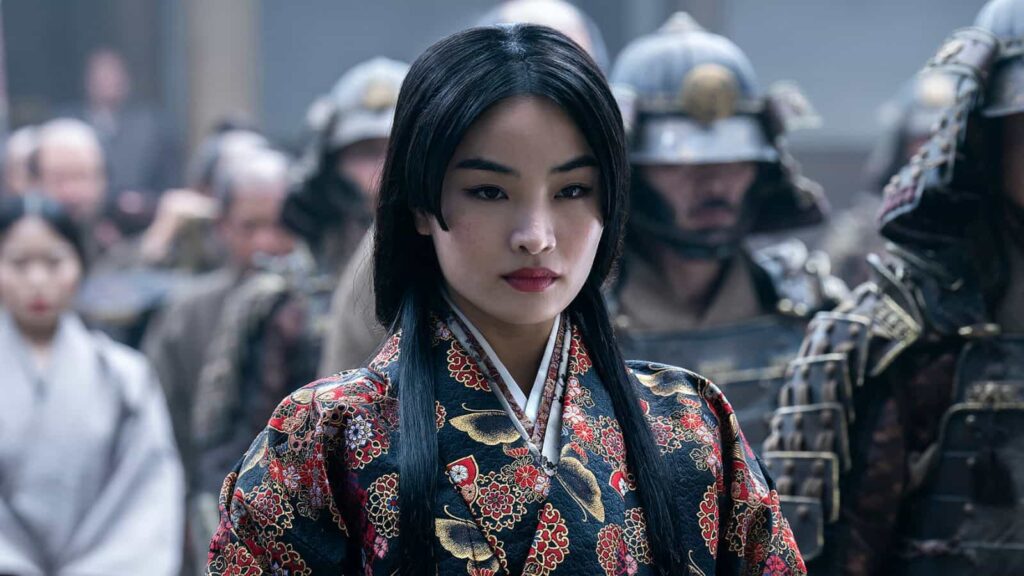
‘Shōgun’s success only shows how dated the older version feels. The reboot subtitles Japanese dialogue, gives Japanese characters equal importance, and trusts viewers to keep up with cultural and historical detail.
In the end, the 1980 ‘Shōgun‘ is hard to watch today because television has moved on. The story remains powerful, but the older series filters it through a limited lens that no longer works. Seen next to the FX adaptation, the ’80s miniseries feels less like a timeless classic and more like a reminder of how much storytelling and audience expectations have changed.