
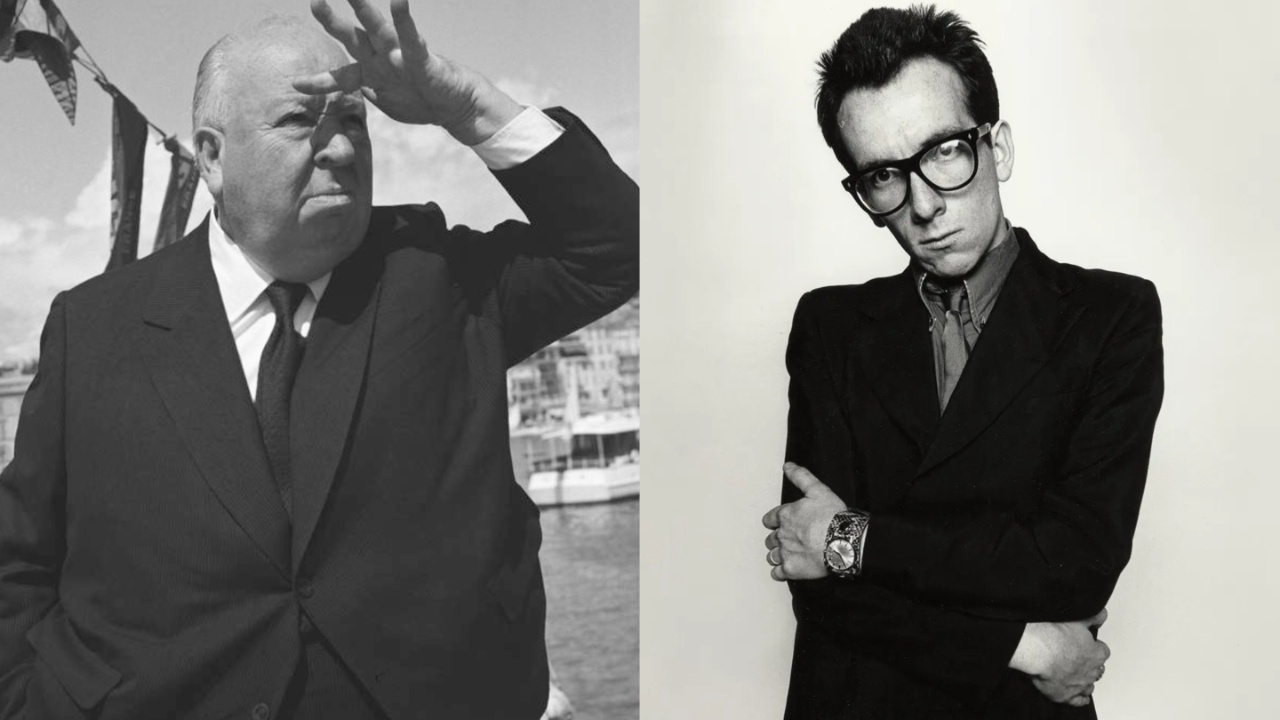
In 1960, Alfred Hitchcock released ‘Psycho‘ to a world that had no idea what was coming. He did not just change horror movies. He planted a seed that would grow into one of the most unsettling country songs ever written. About twenty years later, a British punk rocker with glasses named Elvis Costello heard that song and decided to make it his own.
The song was also called ‘Psycho.’ It was written by Leon Payne, a blind songwriter from San Antonio. Payne had written songs for Hank Williams and George Jones. But for this one, he looked to Hitchcock’s film for inspiration. The real horror in ‘Psycho‘ was not some gothic monster. It was a regular guy named Norman Bates, a shy and nervous man who had a very strange relationship with his mother.
Dark Lyrics and Chilling Storytelling in the Country Classic
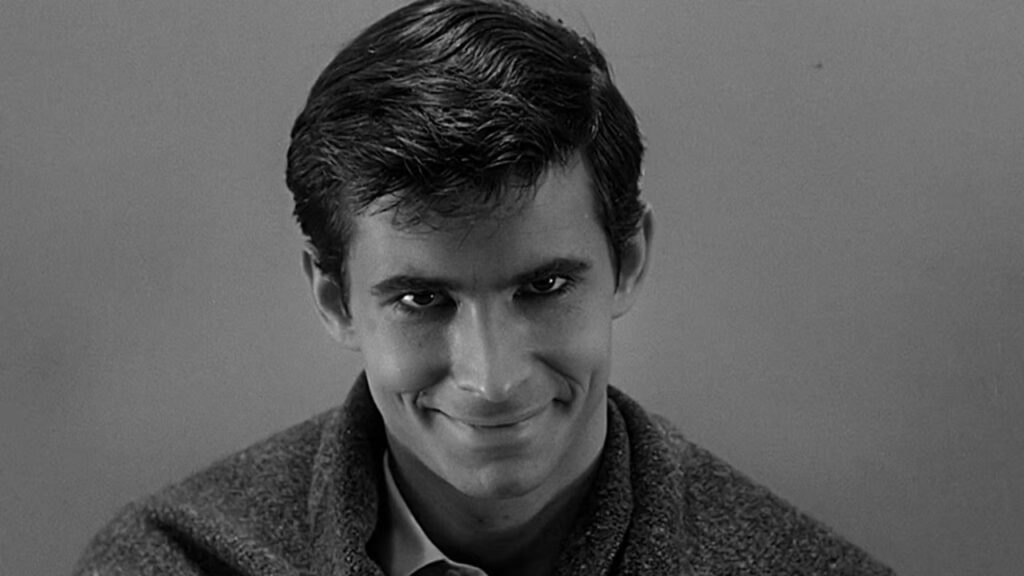
Payne wrote the song from the killer’s point of view. It is a first-person monologue directed at his “mama.” The words are simple, almost like a child speaking. That makes the violence in them even more disturbing. He sings, “Oh, don’t hand me Johnny’s pup, mama / ‘Cause I might squeeze him too tight.” The story comes out in pieces. A boy drowned in a creek. A girl named Betty Clark who “sat on a bench” before someone raised a wrench. It all leads to the last line: “Mama, why don’t you get up?“
Related: The Alfred Hitchcock Classic That Inspired One of Bob Dylan’ s Most Underrated Songs
Some people thought the song was about Charles Whitman, the sniper who shot people from a clock tower at the University of Texas in 1966. But Payne’s daughter, Myrtie Le Payne, later said it was definitely inspired by the Hitchcock movie. The song helped create a genre called “psychobilly,” which mixed “psycho” and “rockabilly.” Payne basically invented it.
Elvis Costello Covers the Song and Makes It His Own
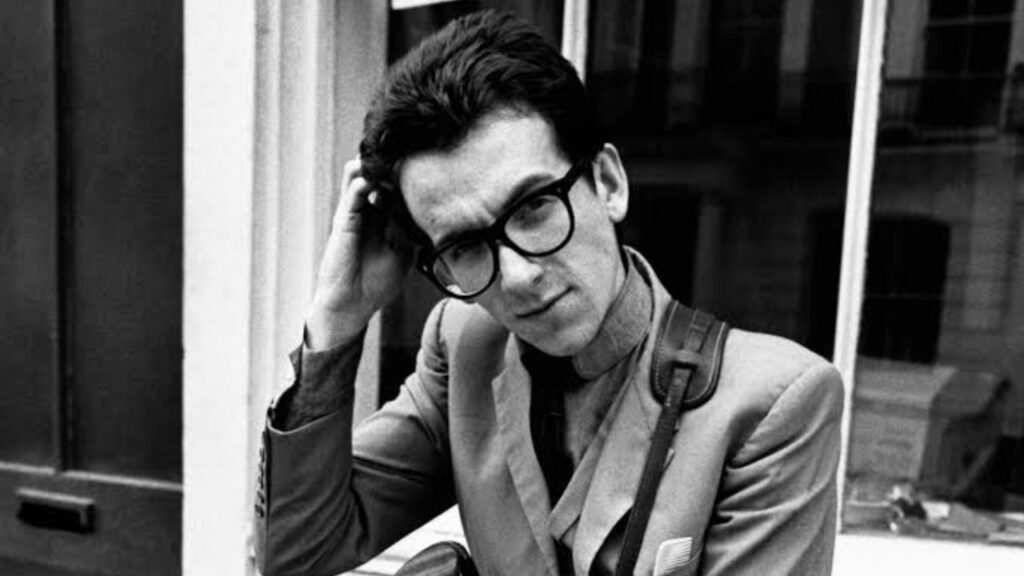
Costello found the song while he was getting into country music. He was known for having a deep knowledge of all kinds of music. He started playing it live and then put a studio version on a 2004 reissue of his country covers album Almost Blue. The song suited him. When his first album came out in 1977, the critic Greil Marcus called it “psycho music.” It was full of characters, and full of anger and secrets.
In case you missed it: How Alfred Hitchcock’s ‘Psycho’ Flushed Away Hollywood’s Weirdest Censorship Rule
There is a strange belief that covering ‘Psycho‘ brings bad luck. The people who performed it first all died young, including Payne himself, who passed away before 1970. But Costello did not seem to care. He had already recorded ‘Gloomy Sunday,’ the Hungarian song known as the “suicide song.” For him, it was just a great piece of writing.
The song still sticks with people. Years later, the author Neil Gaiman said he found out about ‘Psycho‘ through Costello’s version and started performing it himself. It shows how Hitchcock’s film still has power. It also shows the darkness that can hide inside a simple tune. With a songwriter like Costello singing it, Norman Bates finally got his perfect theme song.
You might also want to read: Why Alfred Hitchcock Shot ‘Psycho’ in Black and White Instead of Colour