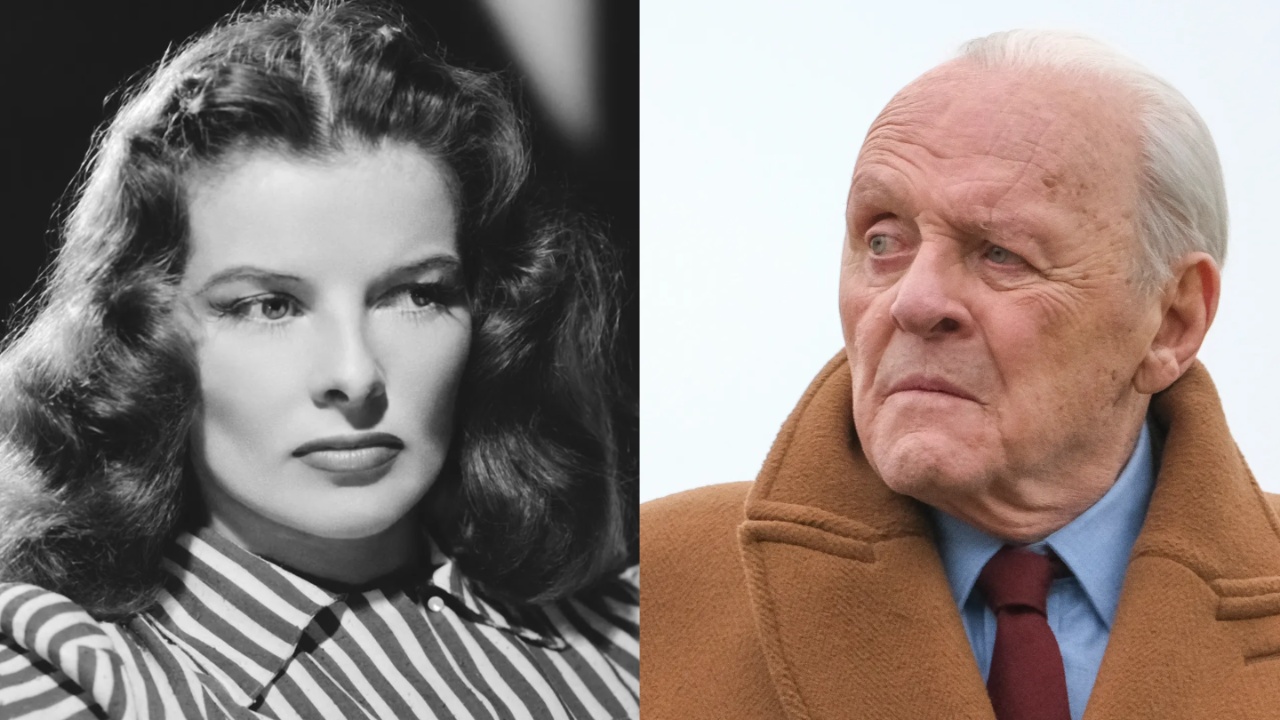
Nearly thirty-five years before he wandered the foggy halls of Carfax Abbey as Professor Van Helsing, Anthony Hopkins picked up one of the biggest lessons of his career from a legend who didn’t have much patience for nonsense.
That lesson came on the set of a costume drama back in 1968, and it would show up again decades later on Francis Ford Coppola‘s gothic set, proving that great acting advice, like a good vampire, just doesn’t die.
‘The Lion in Winter’ Set the Stage for Hopkins’ Acting Philosophy
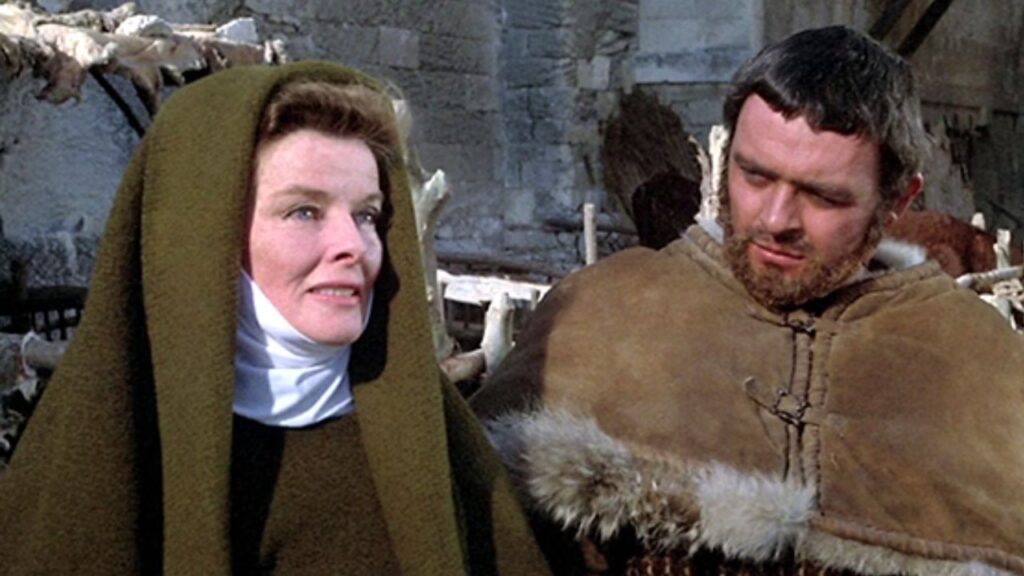
Hopkins was still pretty much unknown when he was cast alongside Katharine Hepburn and Peter O’Toole in ‘The Lion in Winter‘, playing a young Richard the Lionheart. By his own telling, he showed up rough around the edges and trying too hard. He’s talked about fumbling through his early scenes with Hepburn, tripping over cables, getting his cloak caught in a door, and when she asked if he liked the camera, he admitted he didn’t even know why he kept turning his back to it. Instead of brushing him off, Hepburn decided to teach him herself.
Related: The Movie Stunt That Caused Katharine Hepburn a Lifelong Health Problem
Her advice was straightforward. He had the face, the voice, and the presence, so there was no reason to act. She told him to let the theatrics go and instead watch people like Spencer Tracy, actors who never seemed to be performing at all, who just existed in front of the camera. Hopkins has called it the best advice a film actor could get, and he’s told this story for years, including in a well-known 1978 chat with Dick Cavett.
Anthony Hopkins Brought The Lesson to Dracula’s ‘Van Helsing’
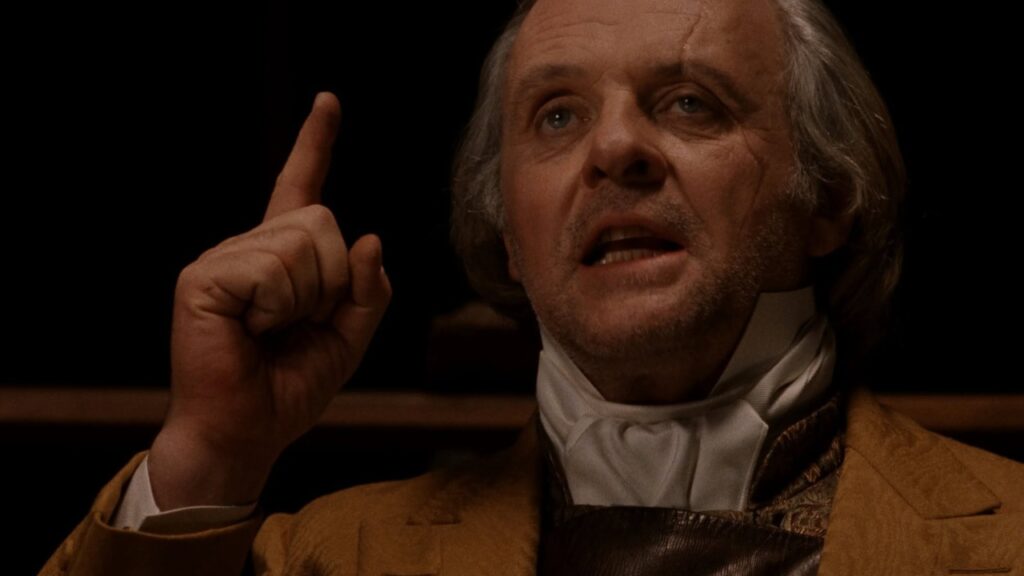
The idea stuck with him even as his career took a darker turn. By the early nineties, Hopkins already had an Oscar for playing Hannibal Lecter. Coppola then brought him on as Van Helsing in ‘Bram Stoker’s Dracula‘, the 1992 film with Gary Oldman as the Count, plus Winona Ryder and Keanu Reeves. On a set full of big, dramatic performances, Hopkins found himself pulling back toward the restraint Hepburn had taught him.
In case you missed it: Why Katharine Hepburn Considered Bette Davis Her Biggest Hollywood Rival
Hopkins has said Hepburn told him back then to do nothing in front of the camera, but he was younger and felt like he had to overact anyway. Decades later, those words came back to him while shooting Dracula. Watching Oldman throw himself completely into the role, Hopkins didn’t feel any rivalry. Instead, it was like looking into a mirror. He said watching Oldman’s big, unrestrained performance felt like watching himself twenty years earlier, and he found himself quietly hoping Oldman would eventually find some peace with it all.
Instead of trying to match that energy, Hopkins went the other way, leaning into stillness and letting Van Helsing’s dry authority and watchful eyes hold the scene, even in moments that could have easily slipped into camp. That approach runs through a lot of his horror work since then, the calm sitting under Lecter’s menace, the quiet unease in his later roles, all built on the same idea Hepburn gave a clumsy young actor decades before.
Katharine Hepburn’s Lasting Influence on Anthony Hopkins’ Career
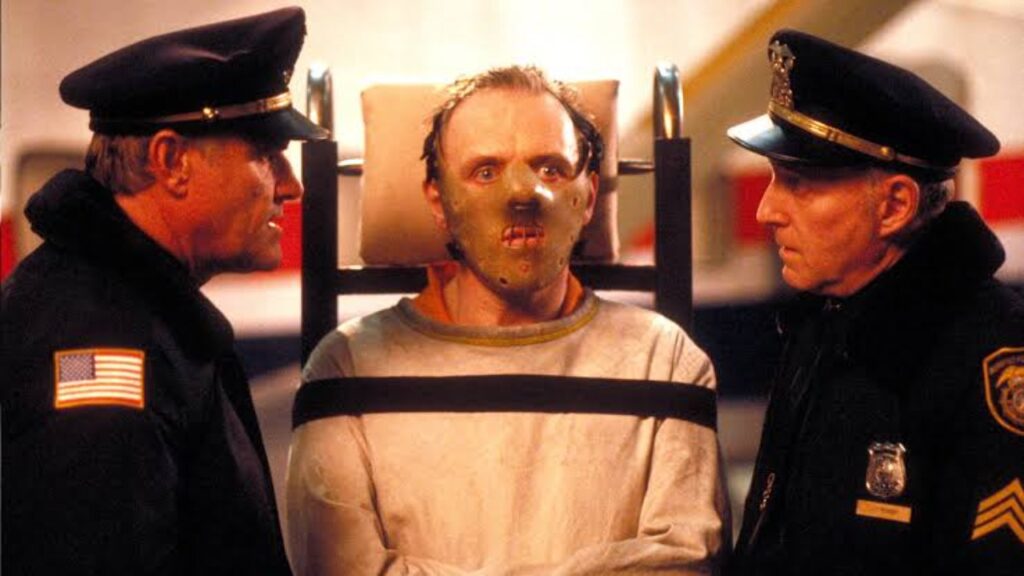
Hepburn’s impact on Hopkins went beyond technique too. He’s said she changed how seriously he takes the whole profession. In a later interview, Hopkins said that as a young actor he was ambitious and arrogant, until he learned to cool down and realize none of it really mattered that much, a shift he credits directly to Hepburn once telling him that filmmaking was, as she put it, “just popcorn.”
That mix of stripped down technique and not taking it all too seriously became a kind of throughline in Hopkins’ career. It is a reminder that even in a movie full of fangs, capes, and gothic excess, it’s often the quietest performance in the room that ends up sticking with people.
You might also want to read: Why Katharine Hepburn Hated Working With Golden Age Beauty Elizabeth Taylor