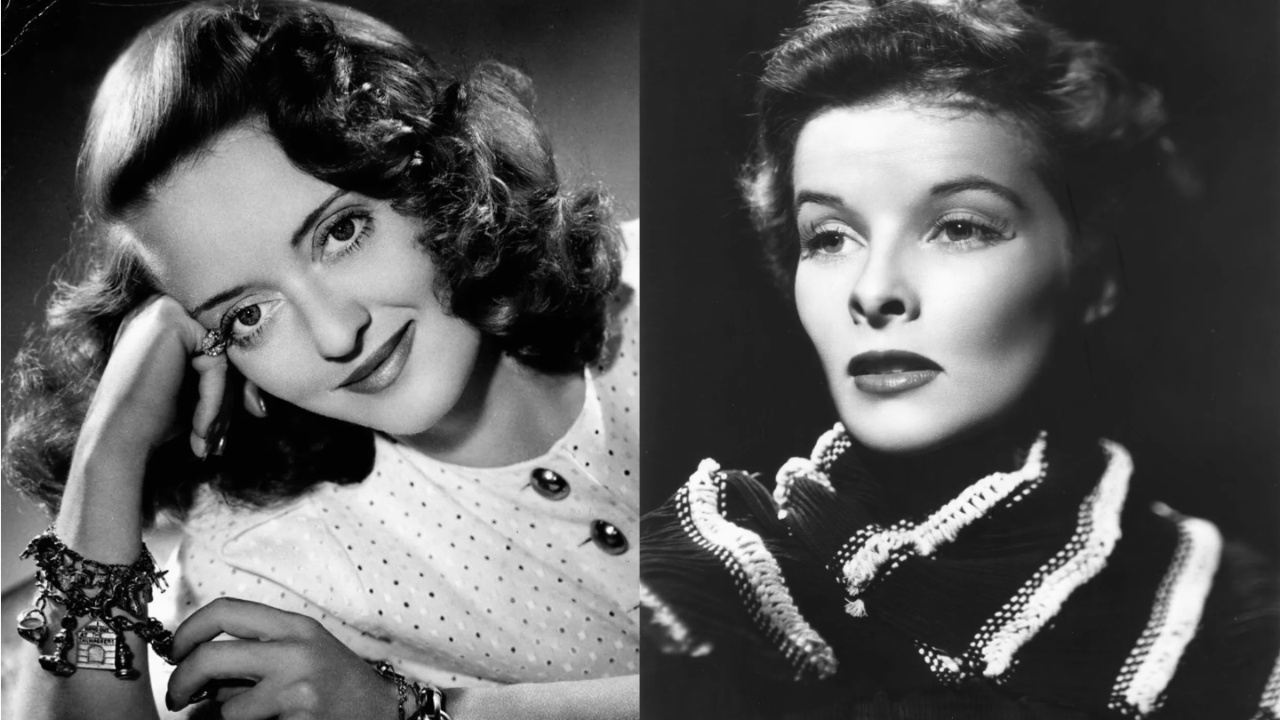
Katharine Hepburn and Bette Davis are two of the biggest names in Hollywood history. The American Film Institute ranked them as the number one and number two greatest screen legends of all time. But even with all that shared fame, their relationship was not simple. It was quietly competitive and more complicated than most people realize.
Davis often said nice things about Hepburn in public, but Hepburn’s true feelings were a mix of respect for Davis’s work and a deep personal rivalry that she did not like to talk about.
Why Katharine Hepburn Saw Bette Davis as Her Greatest Threat
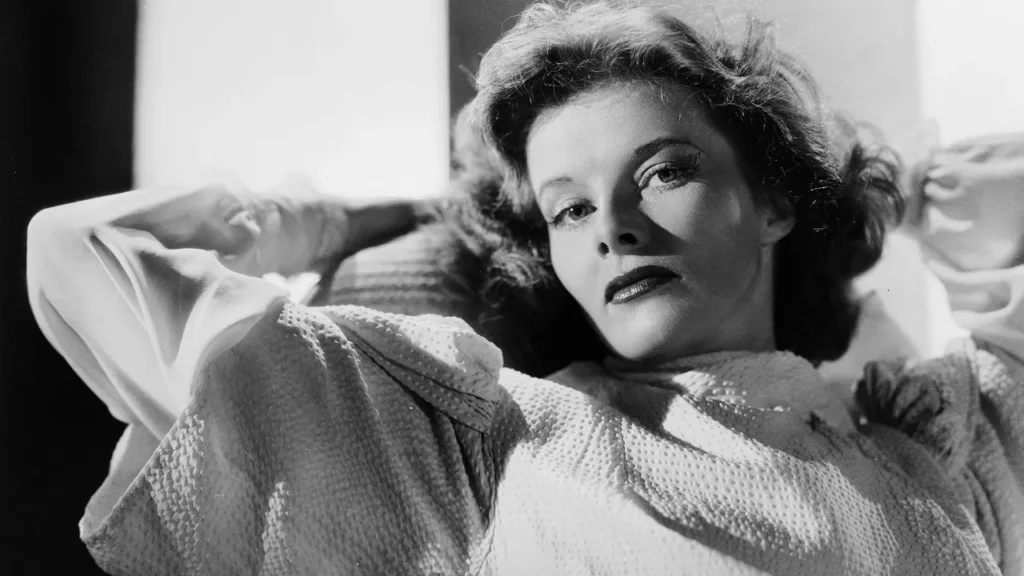
A lot of people think these two queens of cinema admired each other. But if you look at the history, Hepburn was much more guarded. This was not like the famous public fight between Davis and Joan Crawford, which was full of mean insults and problems on movie sets. The relationship between Hepburn and Davis was different. It was a silent, burning rivalry.
Related: The Real Story Behind Bette Davis and Joan Crawford’s Decades-Long Feud
As one film historian put it, “Kate lived the spirit of competition, the adrenaline of triumph, from a very young age.” Hepburn saw Davis as the one actress who was not just from the same time but was a real danger to her place at the top.
The Professional Slights That Fueled Their Feud
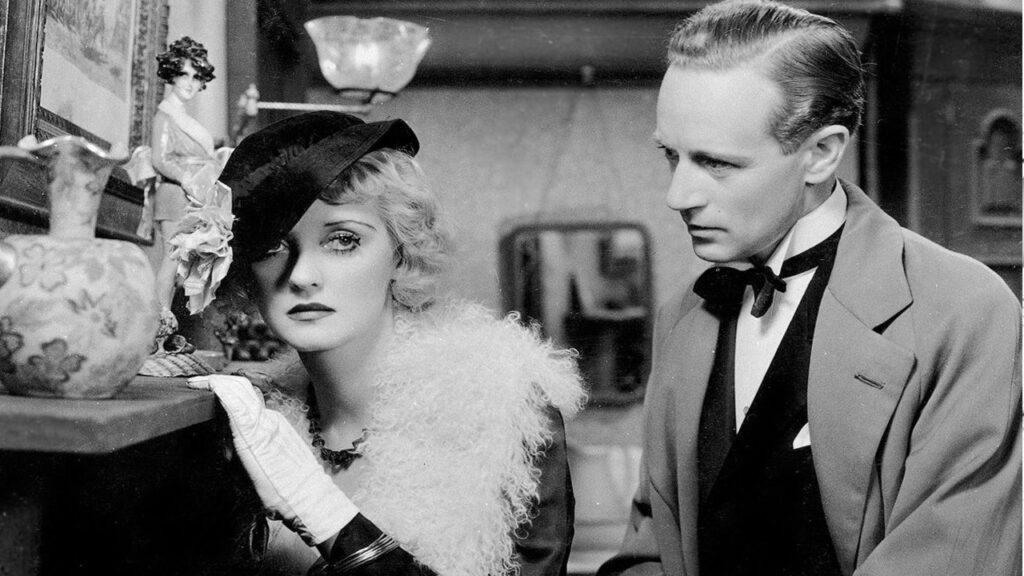
A few things that happened in their careers made this rivalry worse. Early on, when people were celebrating Hepburn’s first big success in ‘Little Women,’ Davis’s breakthrough in ‘Of Human Bondage‘ quickly took over the spotlight. Time magazine wrote about Davis’ performance and called it “the best performance ever recorded on the screen by an American actress.” That comment reportedly hurt Hepburn. Then, in 1935, they both went up for the Best Actress Oscar, and Davis won for ‘Dangerous‘ over Hepburn’s ‘Alice Adams.’
In case you missed it: The Tragic Loss That Made Katharine Hepburn Hollywood’s Toughest Icon
Davis herself also shared a more personal reason for Hepburn’s coldness. Davis allegedly had a passionate affair with Howard Hughes, who was involved with Hepburn at the time. This led Hughes to end his romance with Hepburn so he could be with Davis.
Katharine Hepburn’s Cold Shoulder and Refusal to Collaborate
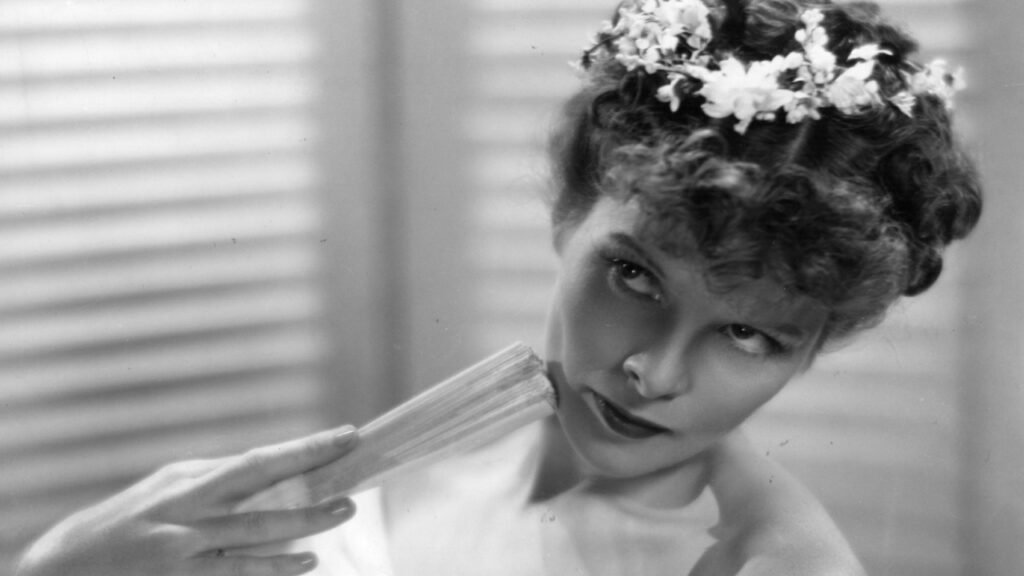
For someone with Hepburn’s pride, that kind of hurt was hard to forget. It built a wall between them that Davis, who really wanted to work together, could never break down. Over the years, Davis often said she wanted to do a movie with Hepburn. She suggested projects like ‘Mary of Scotland‘ in 1936 and even ‘Steel Magnolias‘ in the 1980s. But Hepburn never showed any interest.
A famous story from 1979 shows just how cold Hepburn could be. LIFE magazine wanted to do a photoshoot with both living legends together, but Hepburn said no without any hesitation. Davis, who was reportedly willing to do it, was left to say in frustration, “the woman’s insane!” Hepburn’s refusal sent a clear message; she did not want to be seen as Davis’s equal.
This distance also showed up in how Hepburn talked about Davis’s work. In a 1973 interview with Dick Cavett, which Hepburn was famously careful in, the host asked, “And may I mention Bette Davis?” Hepburn answered in a dismissive way, “Yes, you may. I think she’s awfully good.” That polite, almost unwilling praise was the most she ever said in public. It shut down any talk of a rivalry, but it also did not have the warmth she showed for other actors.
Katharine Hepburn’s Secret Admiration for Bette Davis’ Talent
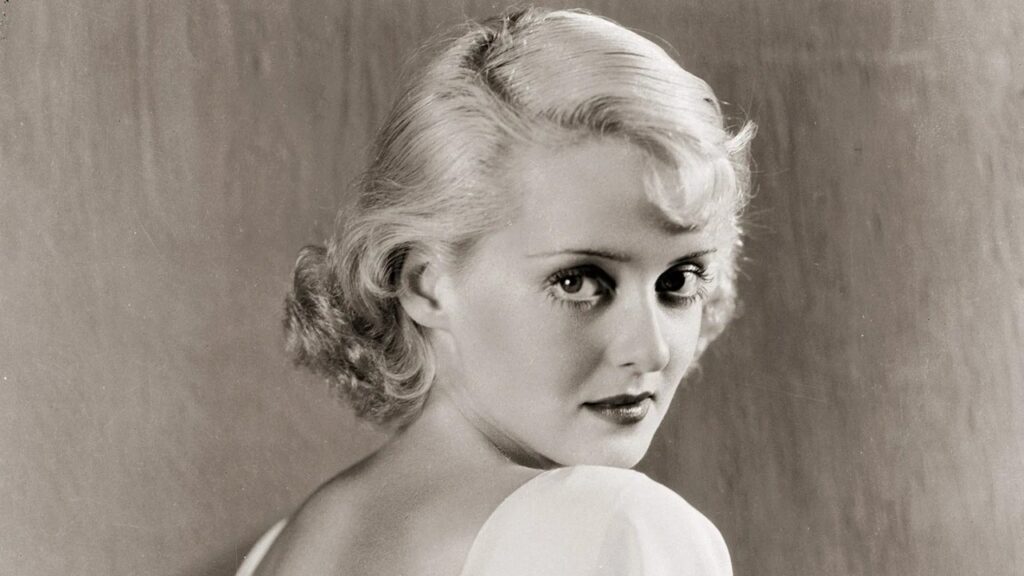
Still, you should not think Hepburn did not see how talented Davis was. Underneath the jealousy, she knew Davis had real skill. After watching Davis’ famous performance in ‘Of Human Bondage,’ which had taken attention away from her own work, Hepburn reportedly admitted, “I can’t do that.” That was a surprising thing for an actress known for being so sure of herself to say. It was a quiet way of saying that Davis had a raw, changing power that Hepburn felt she did not have.
The tension between them also came from how different they were as actors. In her later years, Hepburn said, “I don’t have to do what Bette Davis does.” She was talking about how Davis took roles in ‘Grande Dame Guignol‘ horror movies in the 1960s just to keep working. Hepburn, who built a respected career, looked down on those kinds of scary movies that Davis became known for later on. For Davis, acting was a job, but for Hepburn, it was an art that needed perfect taste.
The way these two women got along is a great example of how rivalry works in Hollywood. Their fight did not have the public nastiness of Davis’ fight with Crawford. But the tension between them was maybe deeper because it came from professional jealousy and two huge egos clashing. Hepburn’s opinion, that quiet “she’s awfully good,” hid a much bigger truth. She did not see Bette Davis as a friend or even a fellow actor. She saw her as her biggest rival, a powerful actress whose very presence challenged her own place at the top.
You might also want to read: The Chilling Truth Behind Bette Davis’ Witchcraft Obsession