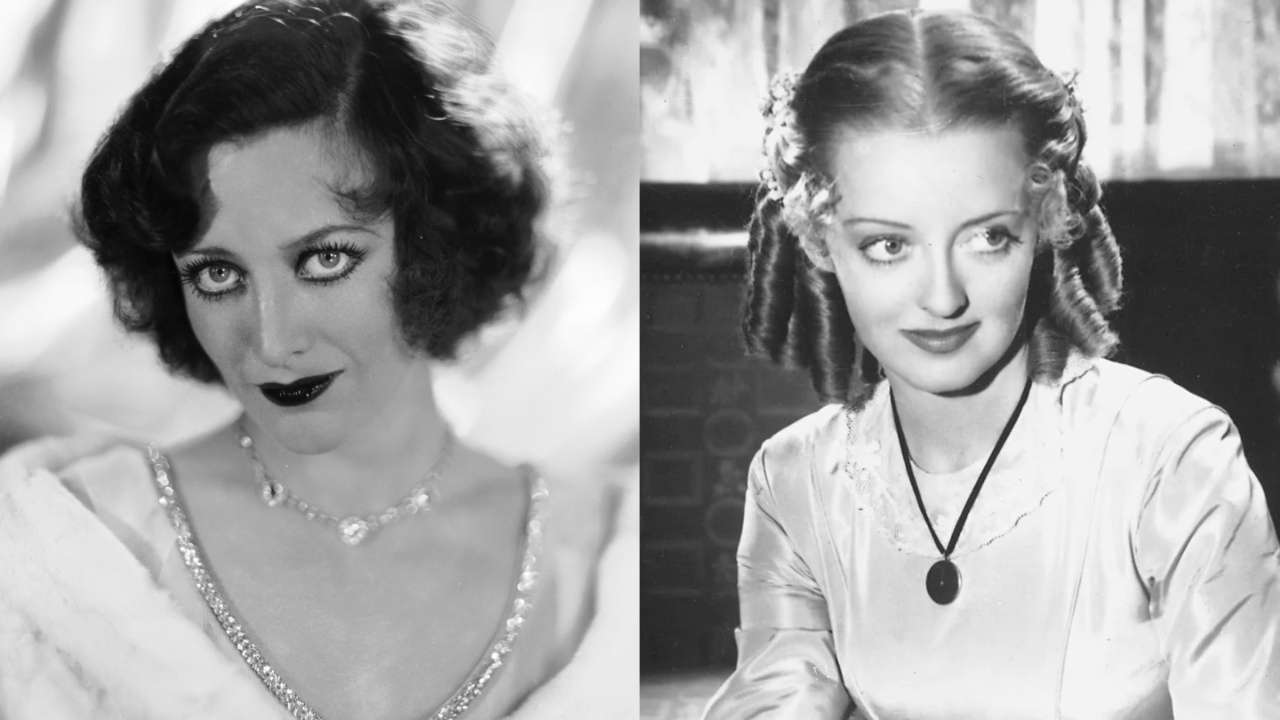
When Bette Davis died in 1989, the obituaries didn’t just recount her performances in ‘All About Eve‘ or ‘Jezebel‘. They revisited the legendary hatred that defined her public image almost as much as her iconic eyes. It was her feud with Joan Crawford.
But the true story, pieced together from biographies, interviews, and the accounts of those who witnessed it, is less a simple tale of catfighting and more a gothic Hollywood tragedy, one engineered by ego, men, and a studio system that profited from watching its queens tear each other apart.
The Publicity Eclipse That Started It All
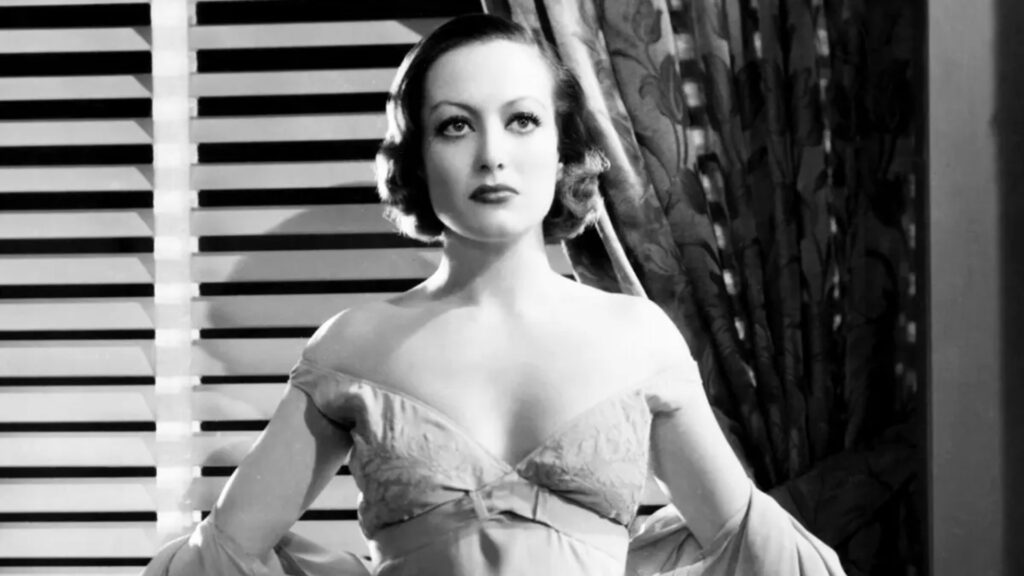
The commonly accepted origin of the feud begins not on a movie set, but in the gossip columns of 1933. Bette Davis was on the cusp of her first major promotional campaign for ‘Ex-Lady‘, with her name finally appearing above the title. But on the day Warner Bros. launched the campaign, Joan Crawford stole every headline by announcing her divorce from Douglas Fairbanks Jr. For the ambitious and notoriously thin-skinned Davis, it was an unforgivable eclipse.
Related: The Sad Truth About Joan Crawford’s Career After the Golden Age of Hollywood
The knife twisted deeper two years later. Davis fell passionately for her Dangerous co-star, Franchot Tone, an elegant, cerebral actor she described as embodying “elegance from his name to his manners.” But Tone was swept up by the more aggressive Crawford. Legend has it that Crawford invited Tone over and greeted him naked in the solarium. They married shortly after. Davis, who had lost both the man and the publicity battle, famously admitted decades later, “I have never forgiven her for that, and never will”.
From Cold War to Open Warfare
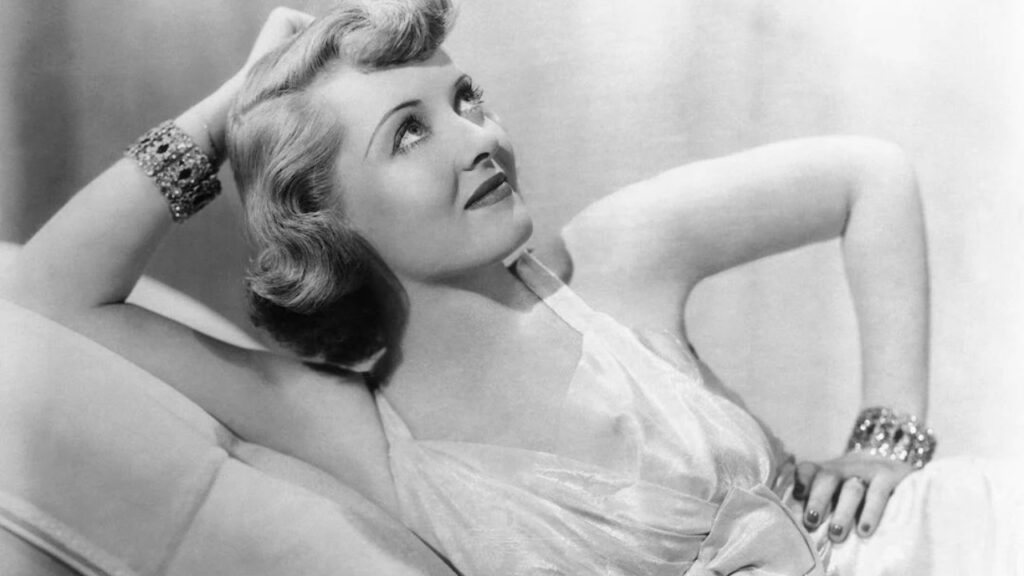
For years, the rivalry was a cold war fought through proxy and press. Crawford was MGM’s “Queen of the Movies“; Davis was Warner Bros.’ fierce artiste. That détente shattered in 1943 when Crawford jumped to Warner Bros. and began snatching the very scripts Davis had rejected, most notably ‘Mildred Pierce,’ which won Crawford her only Oscar.
In case you missed it: Mamie Van Doren Reveals How She Almost Spent 10 Days At Sea With Steve Cochran’s Decomposing Body
By 1961, both stars were fading. They were Hollywood’s “dinosaurs,” struggling for work in their 50s. In a moment of desperate genius, Crawford bought the rights to ‘What Ever Happened to Baby Jane?,‘ a grotesque horror film about two aging sisters. To save the project, she did the unthinkable: she called Bette Davis.
Davis agreed only to two brutal conditions: that she play the demented “Jane” (the bigger, juicier role), and that director Robert Aldrich confirm he was not sleeping with Crawford. “I didn’t want him favoring her with more close-ups,” Davis sneered.
The Vicious Battles on the ‘Baby Jane’ Set
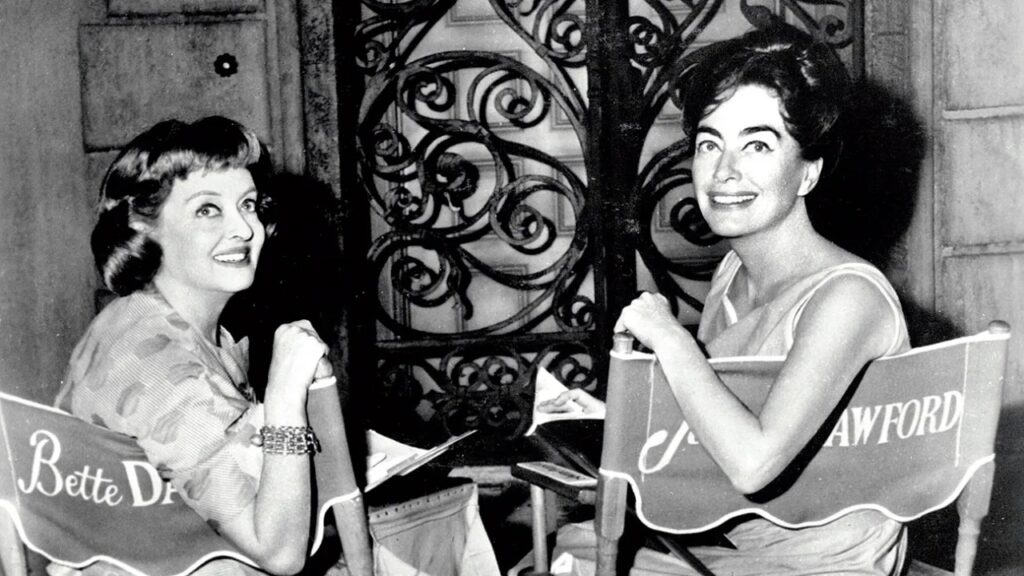
The production was a battleground disguised as a film set. Davis knew Crawford had become a board member of Pepsi-Cola following her marriage to CEO Alfred Steele. So, Davis had a Coca-Cola machine installed right next to Crawford’s dressing room.
But the physical warfare was worse. In a scene where “Jane” kicks her crippled sister, Davis landed a real blow to Crawford’s scalp, allegedly requiring stitches (though Davis claimed she “barely touched her”). In retaliation, during the grueling scene where Davis had to drag Crawford’s body across the floor, Crawford loaded her costume with heavy weights, or, according to some accounts, a lead weightlifter’s belt, trying to break Davis’s famously bad back.
And yet, director Robert Aldrich later insisted the famous “explosion” never happened. “Everyone around them was waiting for the ladies to explode,” Aldrich recalled. “Never happened”. Davis herself confirmed this icy professionalism: “I hated her guts, but we did not feud at all. We were totally professional with one another”.
A Tragedy of Two Titans
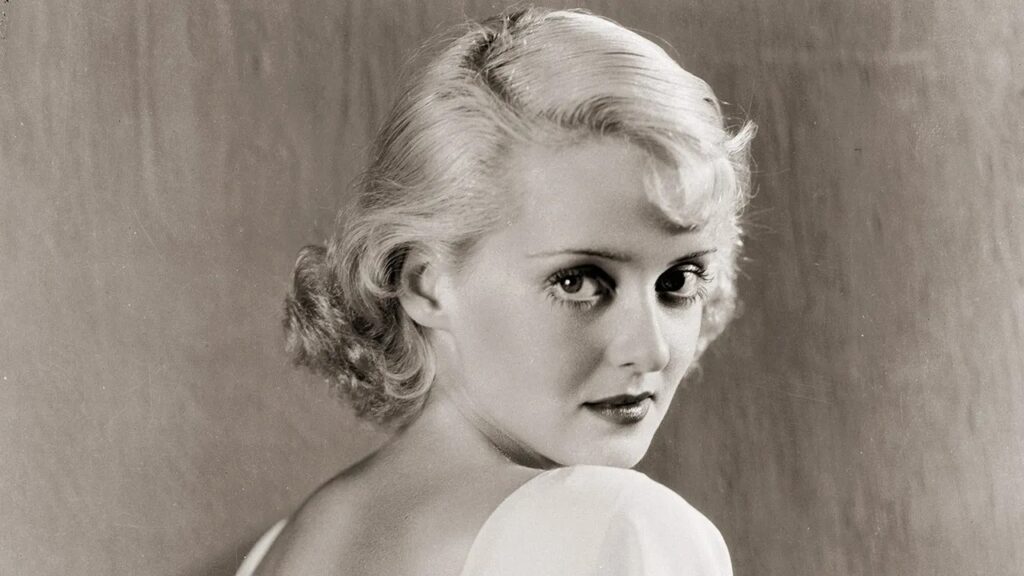
The cruelty, however, was reserved for the press. When Crawford died of a heart attack in 1977, a reporter asked Davis for a comment. Uttering perhaps the most vicious epitaph in Hollywood history, Davis replied, “You should never say bad things about the dead, only good… Joan Crawford is dead. Good”.
A reporter who interviewed Davis shortly after Crawford’s memorial service, which Davis boycotted, recalled Davis jabbing a cigarette at him to correct a presumption of mercy: “Just because a woman is dead doesn’t mean she’s changed”.
In the end, the “Feud” was a tragedy of two titans who had more in common than they ever admitted; both were single mothers fighting a sexist system that discarded women over 40. But they were too proud, too hurt, and too controlled by the gossip machine to ever call a truce. Their hatred preserved them, turning ‘Baby Jane‘ into a classic and ensuring neither would ever be forgotten.
You might also want to read: Why Paul Bartel’s 1982 Black Comedy Is The Ultimate Anti-Capitalist Nightmare