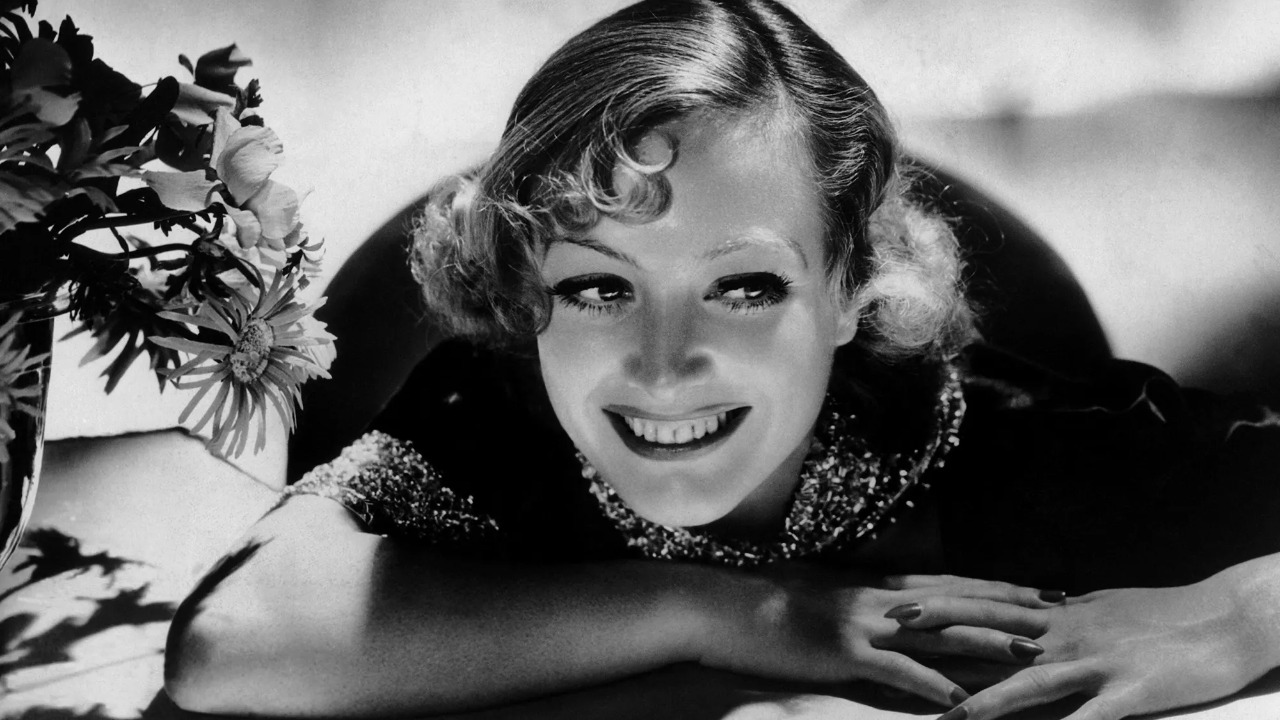
In her 1945 movie ‘Mildred Pierce,’ Joan Crawford plays a mother who builds a restaurant empire from nothing. In the end, however, she learns that all the success in the world cannot buy her love or stop time. Art, it seems, did not imitate life gently.
People remember the Golden Age of Hollywood for its glossy glamour. But the last part of Crawford’s career tells a much sadder story. It is about a fighter who went through a lonely and often humiliating battle against age, a changing business, and the harsh truth of an industry that eats up its own legends.
The Gritty Fight Against Age and a Changing Industry
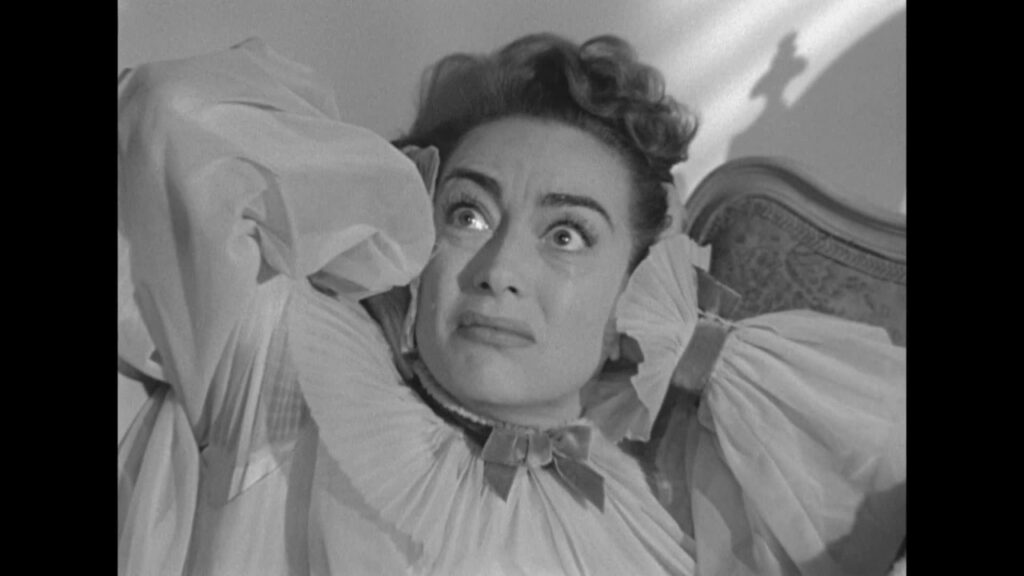
By the time the 1950s rolled around, Crawford was in trouble. She had survived the “Box Office Poison” slump in the late 30s and even won an Oscar. But the industry was obsessed with youth, and that obsession was like a vise squeezing her. A diary entry from screenwriter Charles Brackett on March 1, 1950, describes a lunch with Crawford and Cole Porter, where she admitted a terrifying fear out loud. She said her career was over.
The roles she did get came with a cruel irony. For years, she played working girls who climbed the social ladder. Now she was only offered parts as mothers and “women of a certain age.” However, Crawford refused to play matronly. She leaned into the dark stuff instead and found a strong spot in film noir. In movies like ‘Sudden Fear‘ (1952), which got her a third and final Oscar nomination, she played rich women and successful women who were threatened by the men who wanted their power.
Tension With Co-Stars and Studio Betrayal
Things started to get tense on set. During ‘Sudden Fear,’ her co-star Jack Palance reportedly got annoyed by Crawford’s power. Biographers say the problem was not just that she acted like a diva. It was also plain old sexism. One wrote, “Palance’s main problem toward Joan was that she was a much bigger name than he was… A lot of Joan’s male co-stars didn’t like strong women.”
In case you missed it: Tippi Hedren’s Shocking Ordeal on ‘The Birds’ Set Exposed in Explosive New Alfred Hitchcock Biography
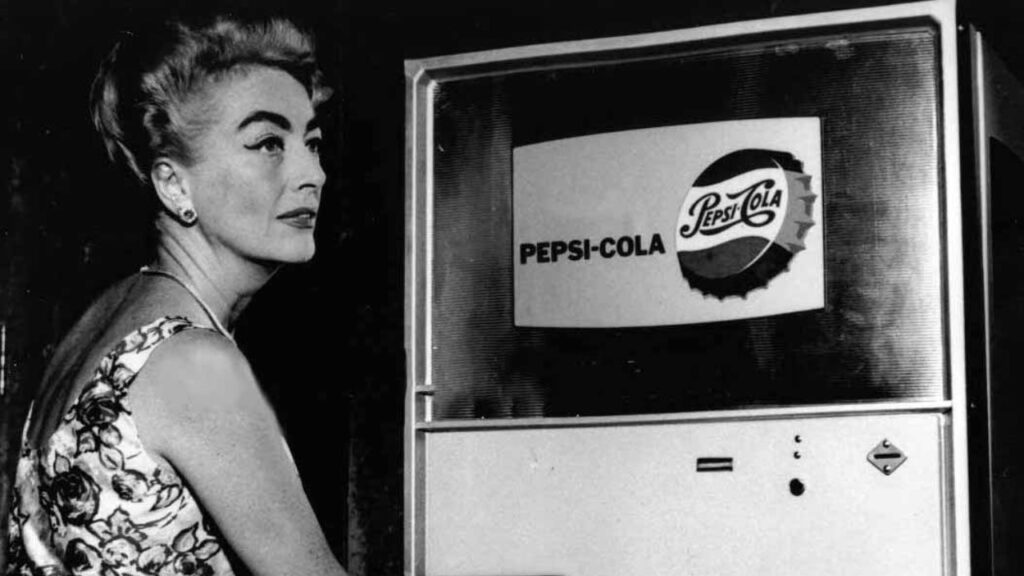
By the mid 1950s, the phone stopped ringing for lead roles. MGM, the studio she helped build, threw her away for younger stars like Lana Turner and Elizabeth Taylor. She found a lifeline in Pepsi-Cola when she married its president, Alfred Steele, in 1955, but even that was a double-edged sword. Crawford became a traveling saleswoman. She forced Pepsi bottles into every movie scene and photo opportunity. When Steele died suddenly in 1959, she was left as a 54-year-old widow. She sat on the board of a soft drink company instead of acting.
The ‘Baby Jane’ Comeback and Oscar Heartbreak
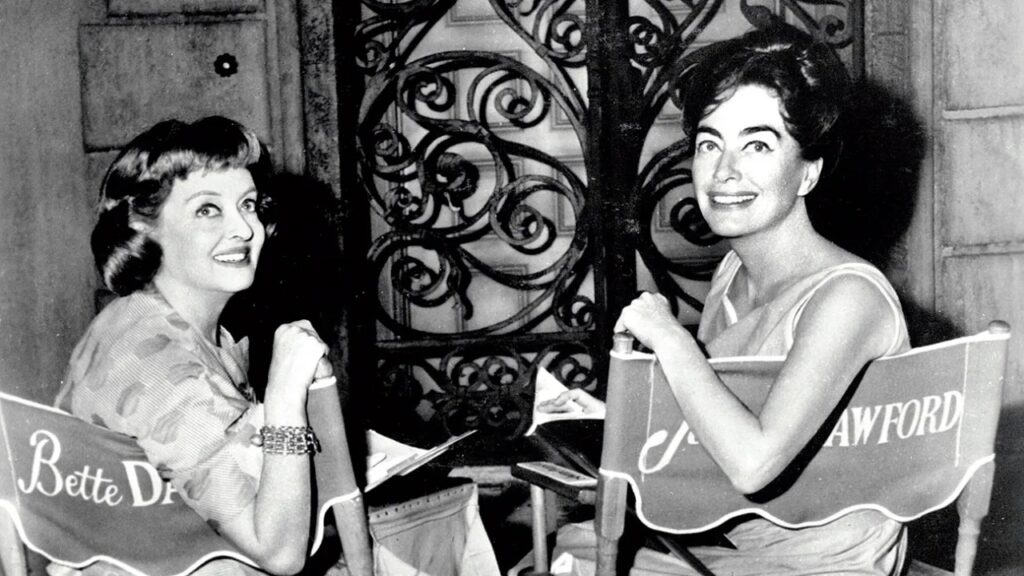
Then came the horror film ‘What Ever Happened to Baby Jane?‘ (1962). It gave her one last creepy comeback, where she starred against her real-life rival Bette Davis. Crawford played Blanche Hudson, a former star in a wheelchair who gets tormented by her insane sister. The movie was a huge hit and made $9 million, and it briefly brought back the “psycho-biddy” genre.
But the industry she returned to poisoned that success. Davis got a Best Actress nomination for the film, but Crawford did not. Then came one of the most heartbreaking power moves in Oscar history. Crawford knew Davis was desperate to win, so she offered to accept the award if Davis’s competitor, Anne Bancroft, could not attend. When Bancroft won, a photographer captured Crawford walking across the stage to take the statue. She left a devastated Davis empty-handed backstage.
Crawford’s Downward Spiral Into Low-Budget Horror
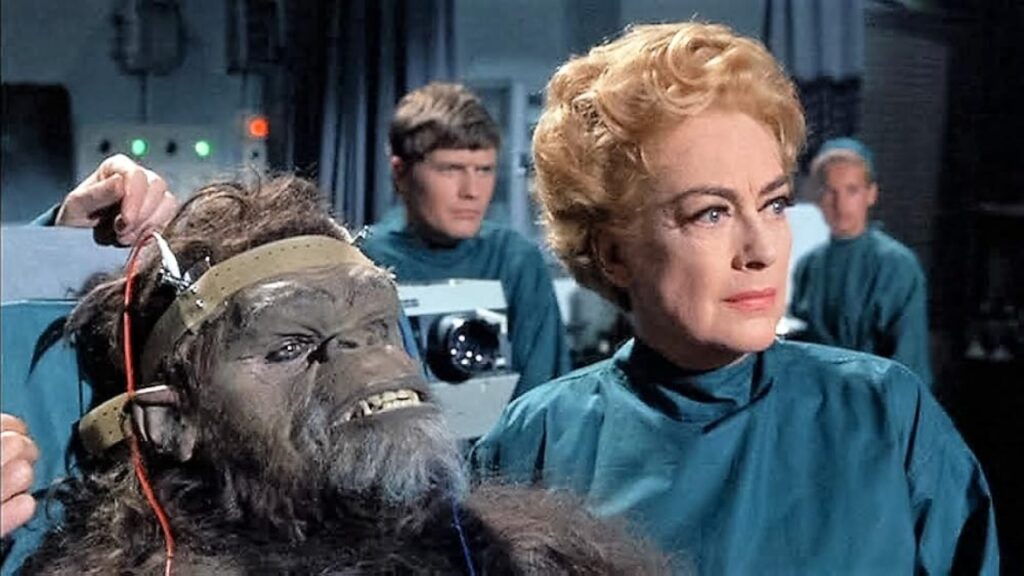
It was a victory of survival, but it felt empty. The roles she got after ‘Baby Jane‘ were just ridiculous. She could not accept retirement, so she showed up in awful horror films like ‘Strait-Jacket‘ (1964) and the famously terrible ‘Trog‘ (1970). In that one, the three-time Oscar nominee played a scientist trying to talk to a man in a rubber caveman suit.
The sad truth of Crawford’s later career is that she became a cartoon version of her own will. The same drive that once made her a star, that ruthless discipline and ambition, ended up isolating her. By the 1970s, she was a recluse in her New York apartment. She only talked to the press through secretaries and held onto her board position at Pepsi until they forced her out.
When she died of a heart attack in 1977, the headlines were big, but they mourned the myth, not the woman. Joan Crawford outlasted the old Hollywood studio system, although she could never outrun the silence that follows a standing ovation.
You might also want to read: The Mysterious Death of Jean Harlow’s Husband That Still Haunts Hollywood