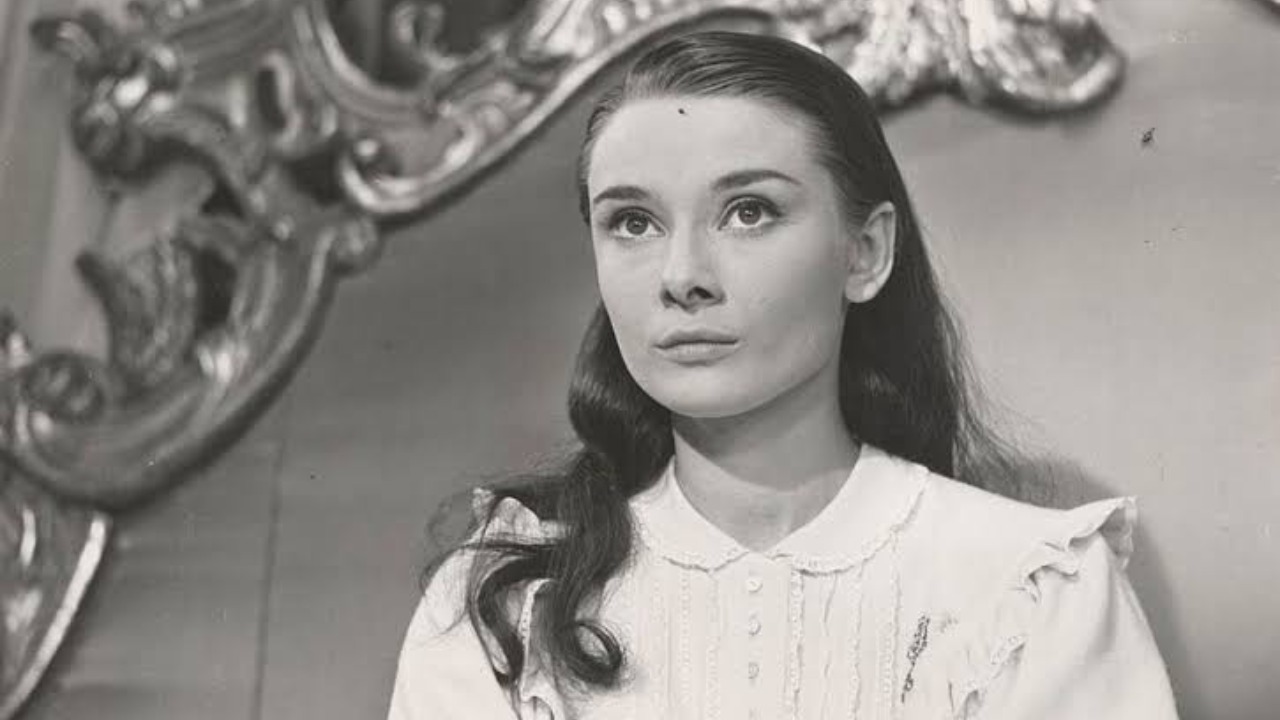
Long before she was Holly Golightly or a UNICEF ambassador loved around the world, Audrey Hepburn was an eleven-year-old girl in Arnhem, the Netherlands, watching her home country fall under Nazi occupation. What happened to her over the next five years, the hunger, the terror, the grief, and the quiet acts of courage, sounds less like a movie backstory and more like the plot of an actual movie.
Hepburn almost never talked about those years in public. It took biographer Robert Matzen, working decades later, to piece the story together. He actually found it by accident while researching a completely different book. “I was researching my book on Jimmy Stewart in the Eighth Air Force, and I was in Arnhem… and saw a couple of things about Audrey Hepburn spending the war there,” he later said. When he tried to look into it further, he came up empty. “I couldn’t find anything. It had not been well-documented,” he explained, since the story had basically been lost over time.
How Family Tragedy Pulled Audrey Hepburn Into the Dutch Resistance
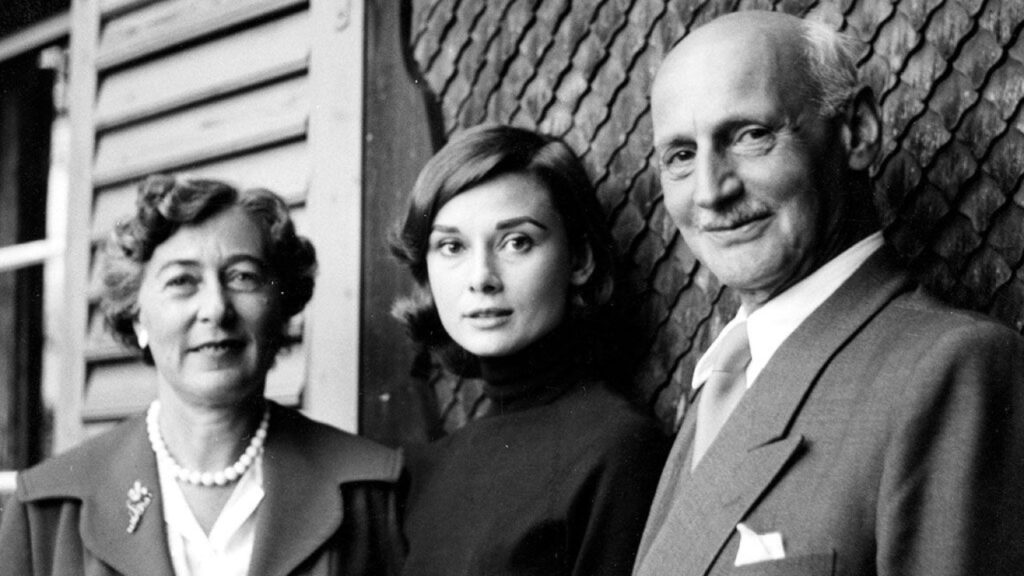
The war hit Hepburn’s family hard in 1942, when her uncle, an aristocrat and judicial official, was arrested and executed by the Nazis as payback for an act of sabotage. That loss, on top of her family’s earlier pro-German sympathies (her father was, in fact, a Nazi sympathizer), seems to be what hardened her resolve. She started working as an assistant to Dr. Hendrik Visser ‘t Hooft, who led the local resistance network in Arnhem.
Related: The One Film Audrey Hepburn Regretted Turning Down More Than Any Other
Since the Nazis usually paid no attention to children, Visser ‘t Hooft used them as couriers. Hepburn, who spoke fluent English, turned out to be a perfect messenger for downed Allied airmen hiding out in the countryside. She also helped hide British paratroopers during the disastrous 1944 attack on the Arnhem bridge, the one later made famous in ‘A Bridge Too Far‘. She reportedly kept one hidden in her family’s cellar for about a week.
Secret Ballet Fundraisers That Helped Fund the Resistance
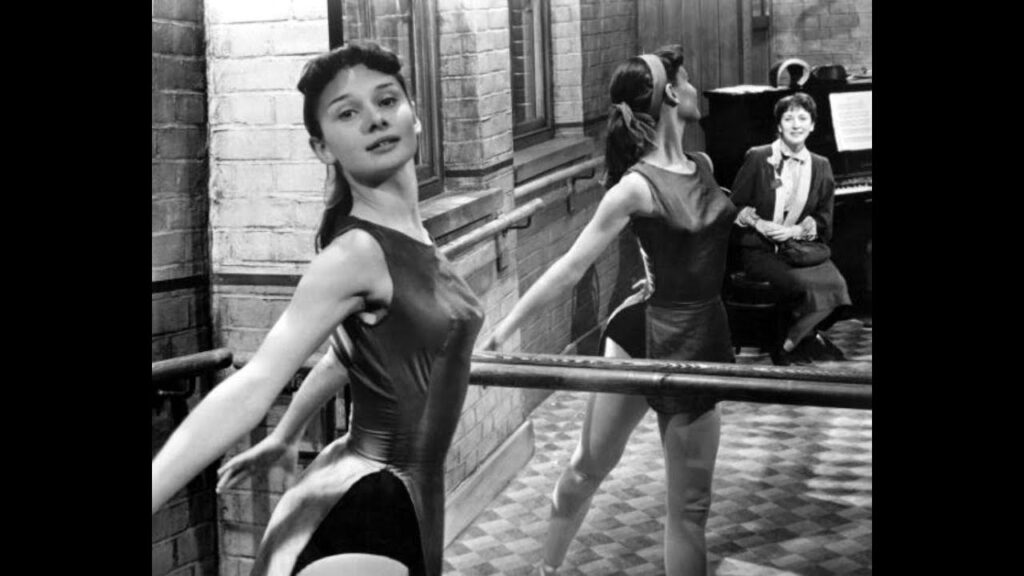
Hepburn’s ballet training doubled as cover for raising money for the resistance. Hepburn performed at secret, invite-only fundraisers called zwarte avonden, or “black evenings,” named for the blacked-out windows that kept the events hidden from German patrols. It was a strange, dangerous double life. She danced publicly for Nazi officers at the municipal theater while privately dancing to raise money for the people trying to defeat them.
In case you missed it: Why Audrey Hepburn Thought She Was All Wrong for ‘Breakfast at Tiffany’s’
By the winter of 1944, railway strikes organized by the resistance triggered the infamous Hunger Winter, a famine that left Hepburn, like tens of thousands of her fellow countrymen, badly malnourished. She reportedly became too weak to keep up serious ballet training, and at times survived on tulip bulbs and grass soup. Later in life, she would credit that starvation-thin frame, strangely enough, with helping shape the slim figure that made her a fashion icon in Hollywood.
How the War Shaped Audrey Hepburn’s Legacy and Humanitarian Work
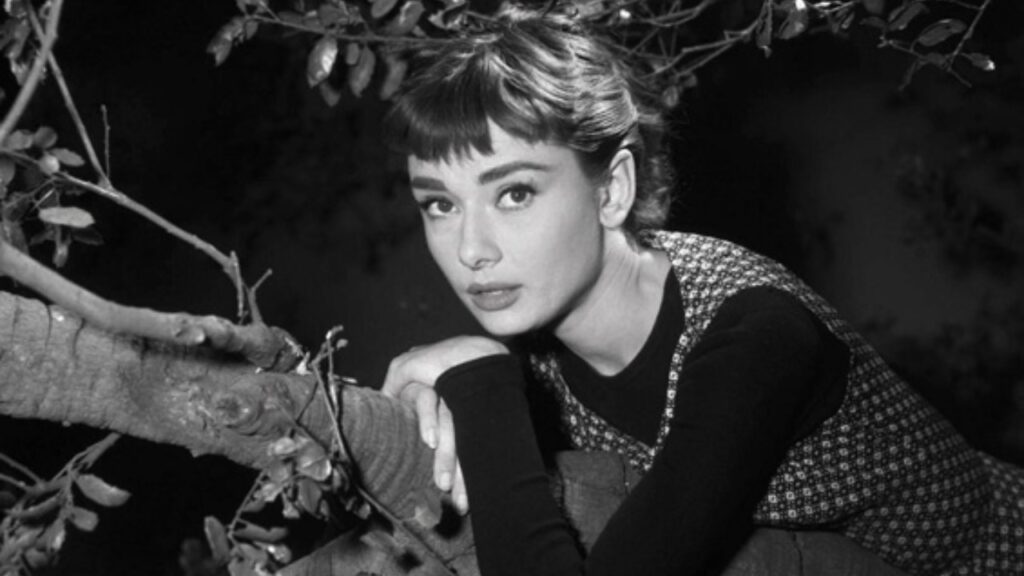
For a long time, even her own biographers doubted how much a teenage girl could really have done. As one account of the research put it, skeptics brushed off the stories, saying “she was just a girl. What could she possibly have done?” But interviews with surviving witnesses and wartime records eventually proved them wrong.
Her son, Luca Dotti, later gave maybe the simplest explanation for why his mother carried these experiences quietly into a life full of grace and later humanitarian work. “The war made my mother who she was,” he said.
That one sentence reframes everything, the elegance, the empathy, the decades of UNICEF work with starving children overseas. Long before Audrey Hepburn was a star, she was a survivor, and in her own quiet way, a hero.
You might also want to read: The Creepy True Story Behind Audrey Hepburn’s Stolen Oscar