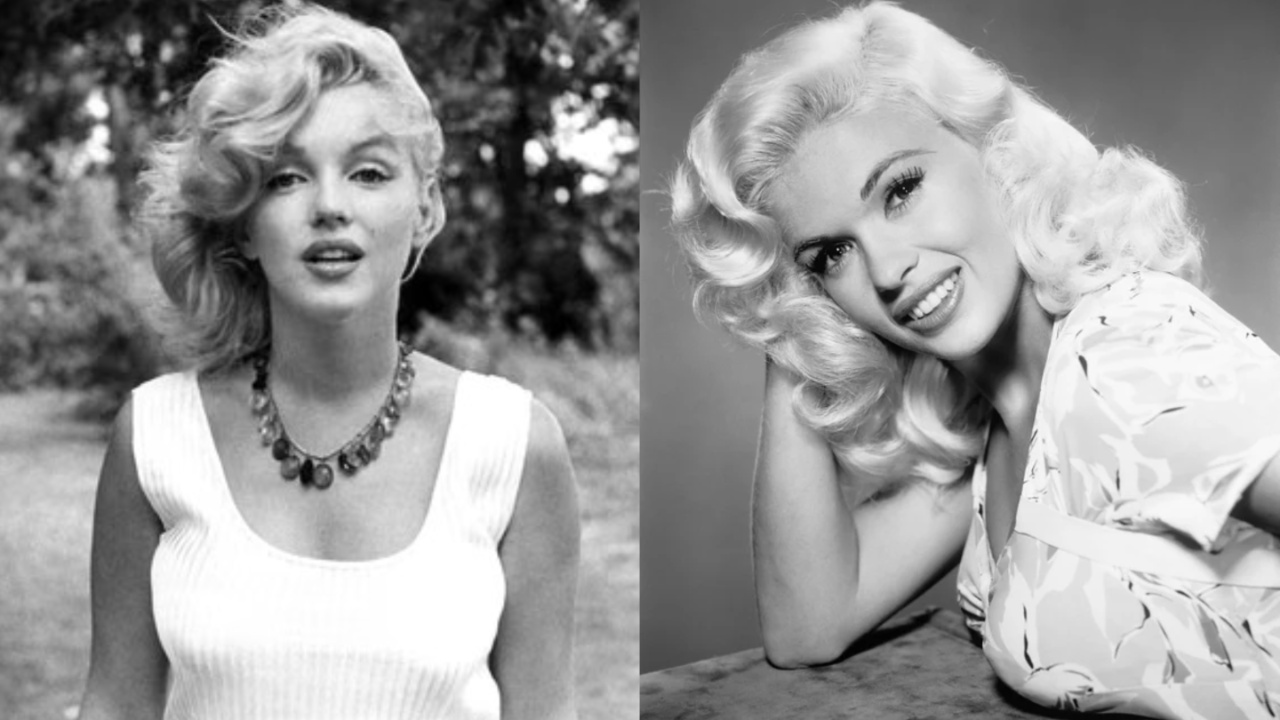
In the tough world of 1950s Hollywood, studios could build a blonde bombshell from scratch, but they could not recreate what Marilyn Monroe had. When 20th Century Fox signed Jayne Mansfield specifically to be “Marilyn Monroe king-sized,” it sparked a rivalry so bitter that Monroe once considered doing something drastic. She wanted to take her copycat rival to court.
“All she does is imitate me,” Monroe said to journalist Lawrence Quirk, according to old interviews. “But her imitations are an insult to her as well as to myself.” Monroe had worked hard to build her image from nothing, turning Norma Jeane into a famous blonde. So when Mansfield showed up, it was not just competition. In Monroe’s eyes, it was stealing.
The Famous Party Snub That Defined the Blonde Bombshell Feud
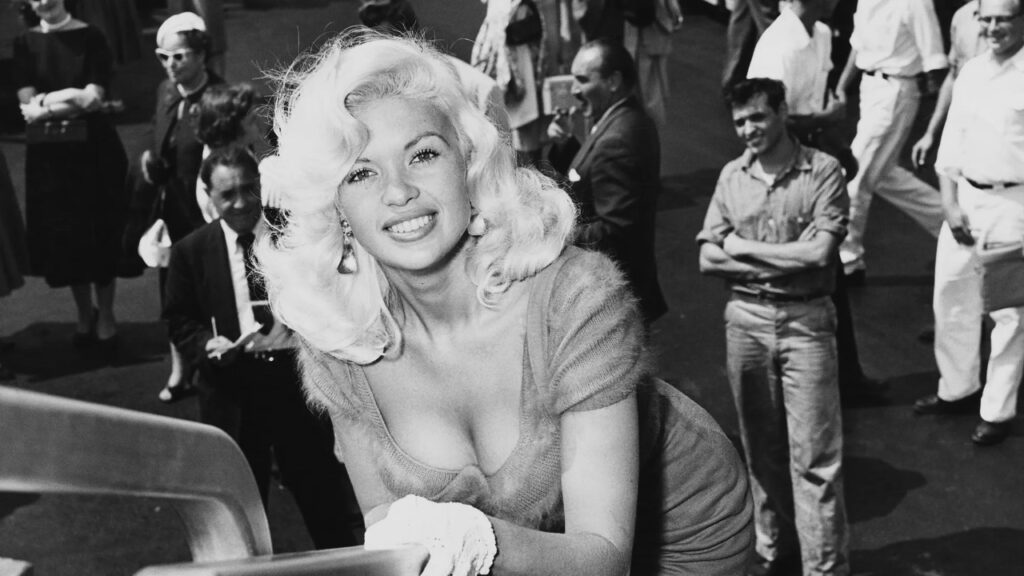
The most famous moment of their fight happened not on a movie set but at a party in New York City in 1955. Mansfield, who was then a big star on Broadway in ‘Will Success Spoil Rock Hunter?‘, walked up to Monroe at the Hotel Astor. What happened next was a perfect example of the cold shoulder. Monroe turned her back and ignored her rival while photographers caught every awkward second. “Jayne was enamored of Marilyn and wanted to go over, but Marilyn snubbed her,” biographer Frank Ferruccio later said. “For someone who was very sure of herself, it was hard to be snubbed by her idol.”
Related: The Dark Reality of Marilyn Monroe’s On-Set Struggles That Turned Hollywood Against Its Biggest Star
The public put down hid a deeper worry about work. Fox had planned Mansfield’s rise carefully. They signed her to a six-year contract in 1956 and sold her as a bigger version of Monroe. “I know it’s supposed to be flattering to be imitated,” Monroe admitted, “but she does it so grossly, so vulgarly. I wish I had some legal means to sue her… for degrading the image I worked for years to construct.”
Could Marilyn Monroe Sue for Copying Her Image? The Legal Truth
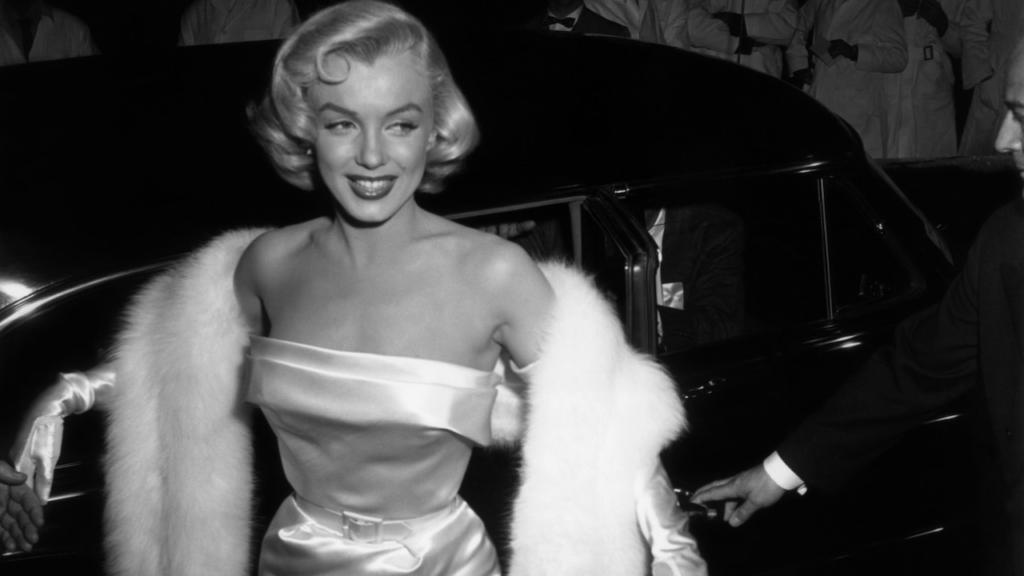
However, legally, Monroe had no case. You cannot own a blonde bombshell look. It is not a trademark, and as the Fox lawyers probably told her, you cannot copyright a hair color or a breathy voice.
In case you missed it: Marilyn Monroe’s Daily Diet Was Surprisingly Wild And It Shaped Her Iconic Curves
Oddly enough, this legal loophole would hurt Monroe’s estate years later. In 2012, a federal court ruled that because Monroe was legally living in New York when she died, her heirs had no right to control her image after death.
The Tragic End of Hollywood’s Battle of Blondes
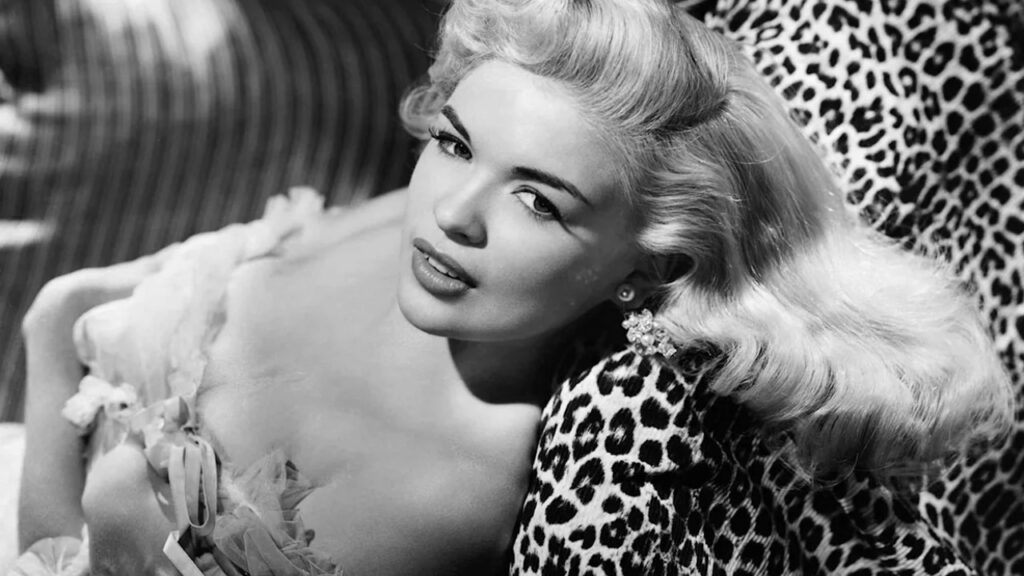
Even though the rivalry seemed vicious, Mansfield often acted confused about the comparisons, even as she used them to get famous. “I don’t know why you people like to compare me to Marilyn,” she once said. But she also admitted the obvious truth about her own fame. “Cleavage, of course, helped me a lot to get where I am.”
Under all the blonde hair, Mansfield was very smart, with an IQ of 163 and five languages. Monroe, who the press often called a dumb blonde, was a serious method actor and a big reader who studied at the Actors Studio with Jane Fonda.
The sad part of the Battle of the Blondes is that neither woman won. Monroe died of a drug overdose in 1962 at age 36. Mansfield died just five years later in a terrible car crash at 34. In the end, Monroe’s wish to sue never happened, but something she said turned out to be strangely true. “I knew I belonged to the public and to the world,” she once said.
A California court later used that line to rule that her image belonged to no one, not even herself. For Mansfield, the copy outlived the original by only five years, leaving behind a picture of two icons stuck in a fight where neither could ever really make peace.
You might also want to read: The Strange ‘Murder’ Accusation Anthony Hopkins Made Against Marilyn Monroe