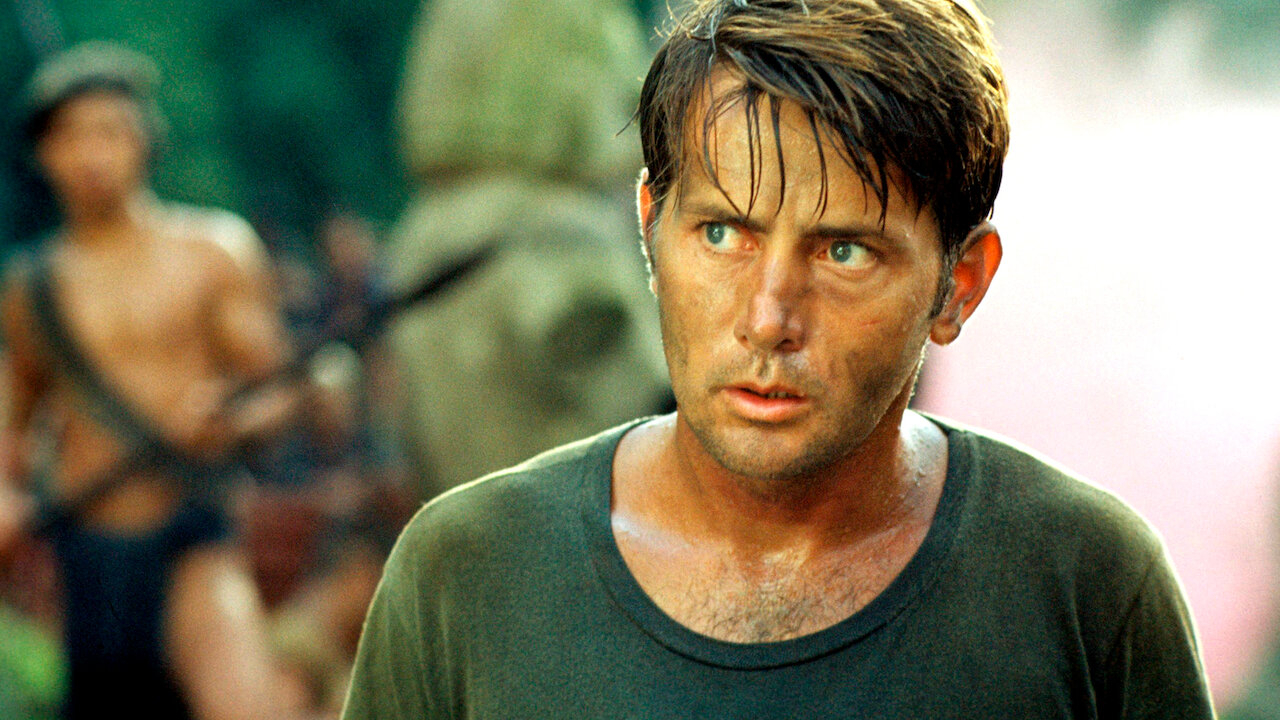
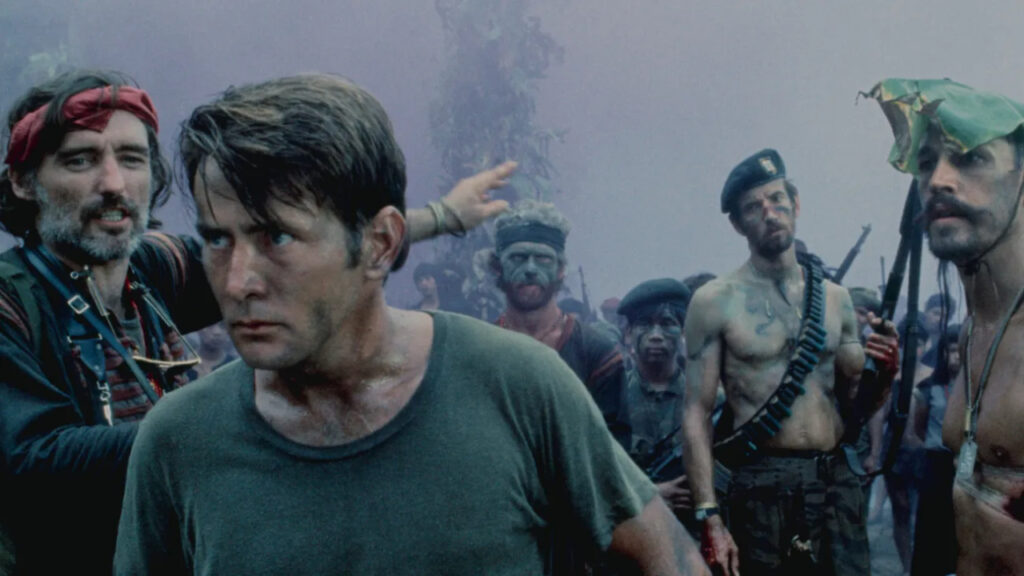
Francis Ford Coppola‘s 1979 war epic ‘Apocalypse Now‘ has a reputation that goes beyond the film itself. The shoot in the Philippines ran for 238 days, falling apart in almost every way a production can. A typhoon wrecked the sets, Marlon Brando showed up overweight and unprepared, and drug use spread through the cast and crew. And yet, none of that compares to what happened to the film’s lead actor, Martin Sheen.
Taking on the role of Captain Benjamin Willard, he came close to dying on this very shoot. As Sheen suffered a heart attack in the middle of the jungle, Coppola decided to hide it, a decision that remains one of the wildest true stories in film history.
When Martin Sheen Was Pushed To The Brink
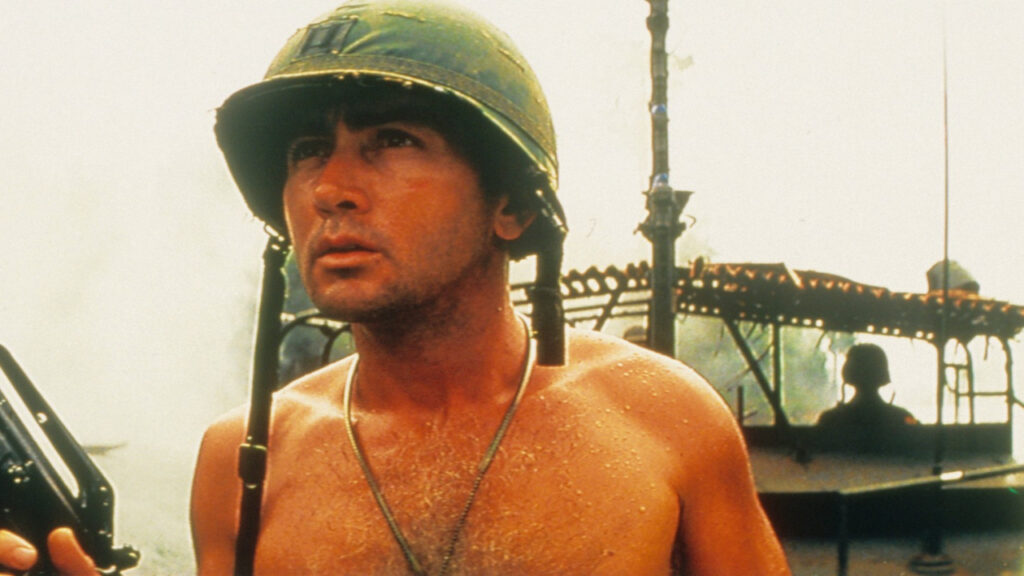
When the film’s production began, Sheen wasn’t even supposed to play Willard. He stepped in a few weeks into filming after production let go of Harvey Keitel. Sadly, Sheen arrived carrying problems that had nothing to do with the script.
Related: 10 Greatest World War I Movies Ever Made
The actor was drinking heavily, sometimes downing several bottles a day. Unsurprisingly, he was puffing cigarettes just as fast. But the jungle heat made things worse for him. Sheen was playing a man burned out by war and violence, and that role added weight to his own habits.
His body couldn’t hold that strain for long. It showed on camera during the film’s opening hotel room scene. A genuinely drunk Sheen punched a mirror and cut his hand open on set. The breakdown audiences see in that scene wasn’t acting. It was real.
Things came to a head in March 1977. Sheen was 36 years old, alone in a remote cabin deep in the jungle, when his heart gave out. Since no one was around to help, he pulled himself out of the cabin and crawled half a mile down a dirt road to find someone.
A crew member finally found Sheen and put him on a bus. A helicopter later airlifted him to a hospital in Manila. He arrived in such bad shape that the hospital called in a priest to give him last rites.
Francis Ford Coppola’s Cover-Up And Sheen’s Return
Director Francis Ford Coppola soon learned that his lead actor might not survive, and the news hit him hard enough to trigger an epileptic seizure. The production was already deep over budget, and the studio was looking for a reason to shut it down.
In Case You Missed It: 10 Best Films Of Francis Ford Coppola
So, Coppola made a call that still stuns people who hear the story today. He told his crew to bury the truth. The official line to the studio and the press said Sheen had been hospitalized for heat exhaustion, nothing more.
“Even if he dies, he’s not dead until I say so,” Coppola reportedly told his crew. While Sheen recovered, Coppola kept the cameras rolling. He used Sheen’s brother, Joe Estevez, as a stand-in for wide shots and for any angle where the actor’s face wasn’t needed.
It kept the schedule from falling further behind. About a month after the heart attack, Sheen returned to the set in the Philippines. He looked visibly thinner. For the first time in a long while, he was sober. He finished the film that had nearly killed him.
‘Apocalypse Now’ later won the Palme d’Or at Cannes, and it is still regarded as one of the greatest war films ever made. But only a few know that behind that reputation sits a shoot that pushed its lead actor to the edge of his life, and a director who chose to keep filming anyway.
You Might Also Like To Read: The ‘Walking Dead’ Episode Jeffrey Dean Morgan Loves The Most Because Of Hilarie Burton