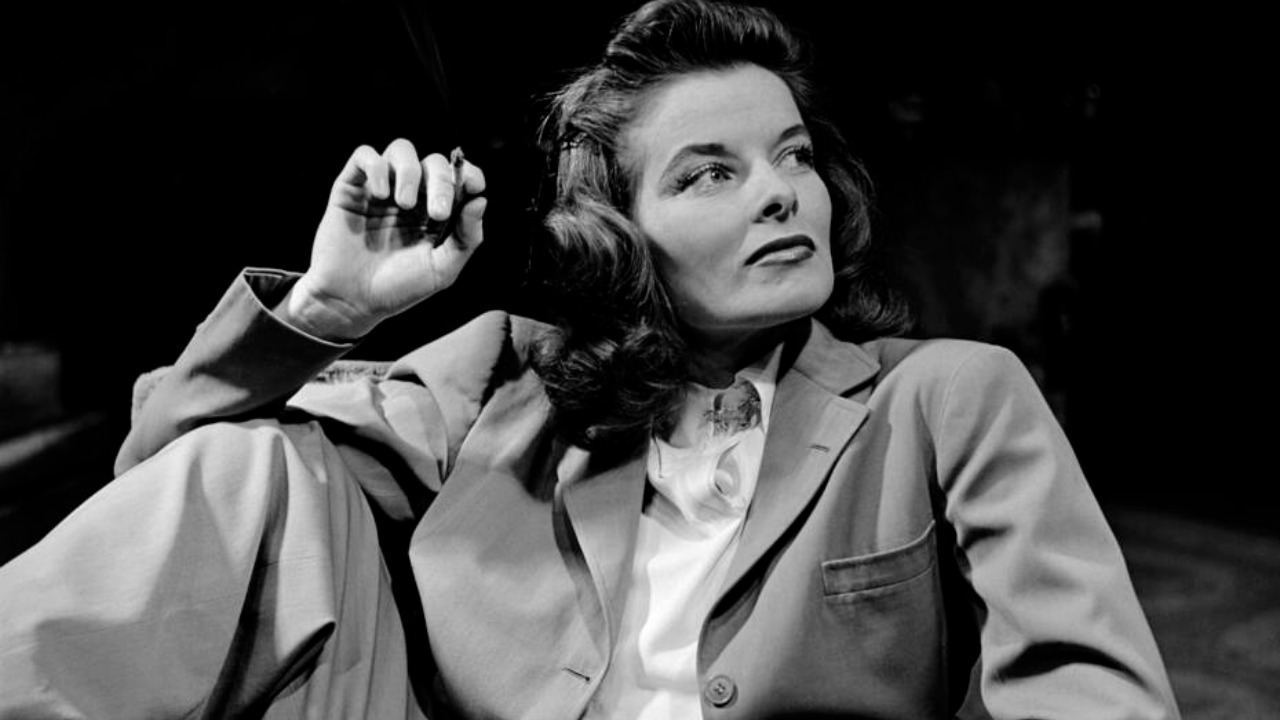
Katharine Hepburn holds a record no one has touched in more than four decades. She won four Academy Awards for Best Actress from twelve nominations over a career that lasted nearly six decades. Yet the ‘First Lady of the Cinema‘ never once climbed the steps of the Oscar stage to pick up a single one of them.
For an industry that runs on spectacle, her absence said a lot on its own. When she won her first Oscar in 1934 for ‘Morning Glory‘, she wasn’t there. When she won again in 1968 for ‘Guess Who’s Coming to Dinner‘, her old friend and director George Cukor accepted for her. A year later, for ‘The Lion in Winter‘, it was the film’s director, Anthony Harvey, who went up in her place. And in 1982, when ‘On Golden Pond‘ made her the most decorated actress in Oscar history, Hepburn was on a Broadway stage instead, while presenter Jon Voight told the crowd, “We all send our love to Katharine.”
Why Katharine Hepburn Avoided the Oscars Ceremony
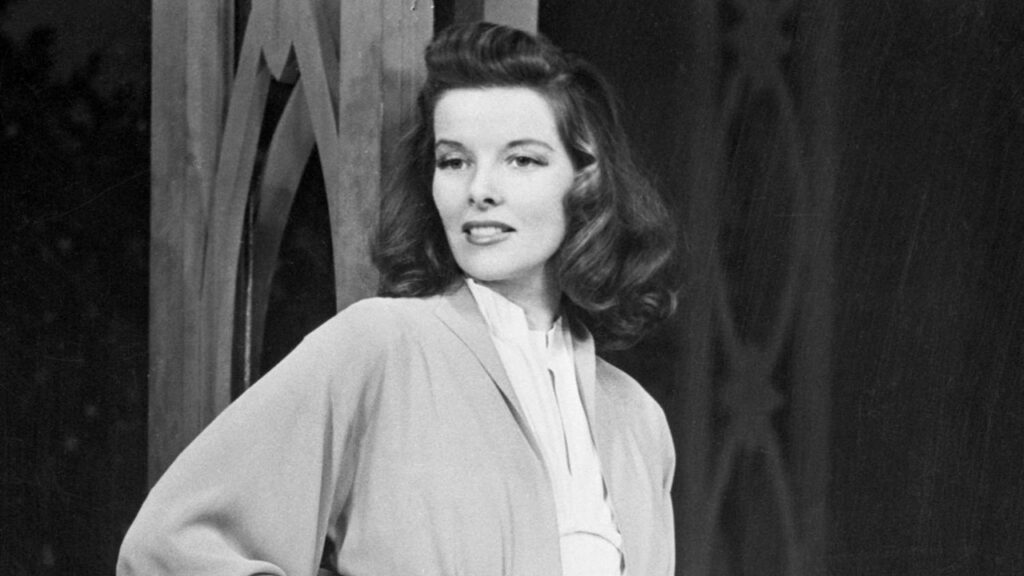
Hepburn’s reasoning, when she gave one at all, was simple. She once told her biographer Charles Higham, “As for me, prizes are nothing. My prize is my work.” She said some version of that often enough that it became close to her personal creed, the idea that a performance proves itself on screen, not on a podium.
Related: The Tragic Loss That Made Katharine Hepburn Hollywood’s Toughest Icon
That attitude went back to how she was raised. Born in 1907 in Hartford, Connecticut, Hepburn grew up in a household that valued independence over convention. Her father was a physician who championed public health. Her mother was a suffragist who fought for women’s right to vote. Daughters were expected to think and argue as freely as sons. That upbringing shaped a woman who, once she reached Hollywood in the early 1930s, had little patience for the industry’s rituals of validation, and even less for its dress codes. She wore trousers at a time when studios saw that as scandalous. When RKO’s wardrobe department once took her pants away to force her into a skirt, she reportedly just waited them out instead of giving in.
Katharine Hepburn’s Honest Confession About Fear of Losing
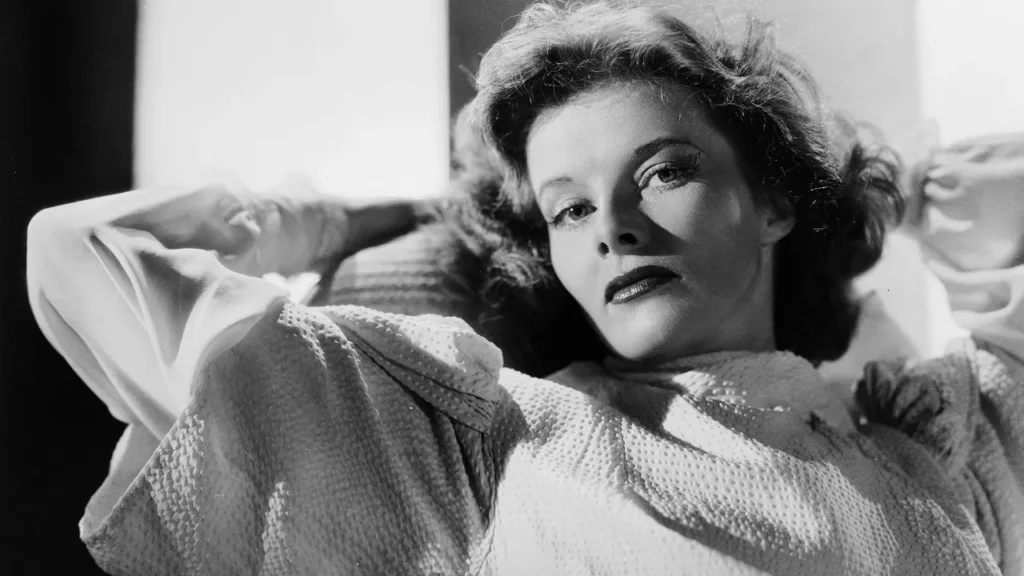
But Hepburn’s own later reflections suggest her Oscar boycott wasn’t purely about principle. In more candid moments, she admitted something closer to self-protection.
In case you missed it: The Movie Stunt That Caused Katharine Hepburn a Lifelong Health Problem
She once said this about why she never went: “If I sit here in my chair where I must be honest with myself… why don’t I go to the Academy Awards? It has to be that I’m afraid I’m going to lose.” And with the same bluntness she brought to everything else, she didn’t spare herself either. “I don’t approve of my attitude of not going. I think that’s cheap of me. Second rate. Second rate not to go.”
The One Time Katharine Hepburn Appeared at the Oscars
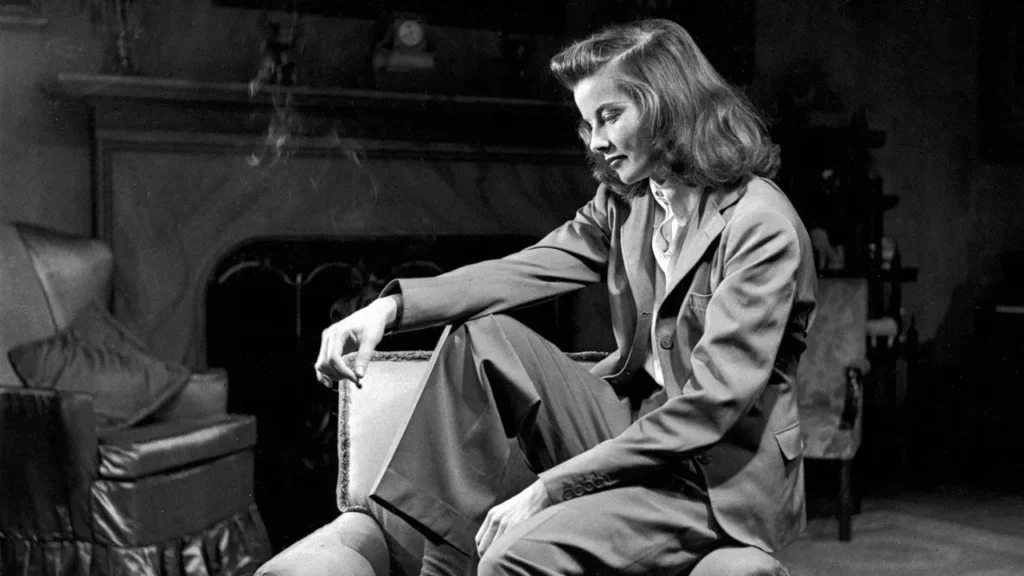
Katharine broke her own rule exactly once. In 1974, Hepburn walked onto the Oscar stage, dressed as always in trousers and gardening clogs, not to accept an award of her own but to present the Irving G. Thalberg Memorial Award to producer Lawrence Weingarten, a longtime friend and collaborator who was terminally ill and had personally asked that she be the one to hand it to him. It was reportedly the one invitation she couldn’t turn down. Facing the audience, she delivered a line that captured both her humor and her decades of staying away. “I’m living proof that a person can wait 41 years to be unselfish.”
That single appearance only made the mystery of all the ceremonies she skipped bigger. Hepburn wasn’t the only one who avoided the Oscars. Woody Allen, George C. Scott, and Marlon Brando all built reputations on not showing up too. But her case stands apart because it wasn’t rebellion or protest. By her own admission, it was equal parts conviction and fear, wrapped in the same fierce honesty with herself that showed up in everything she did on screen.
You might also want to read: Why Katharine Hepburn Considered Bette Davis Her Biggest Hollywood Rival