
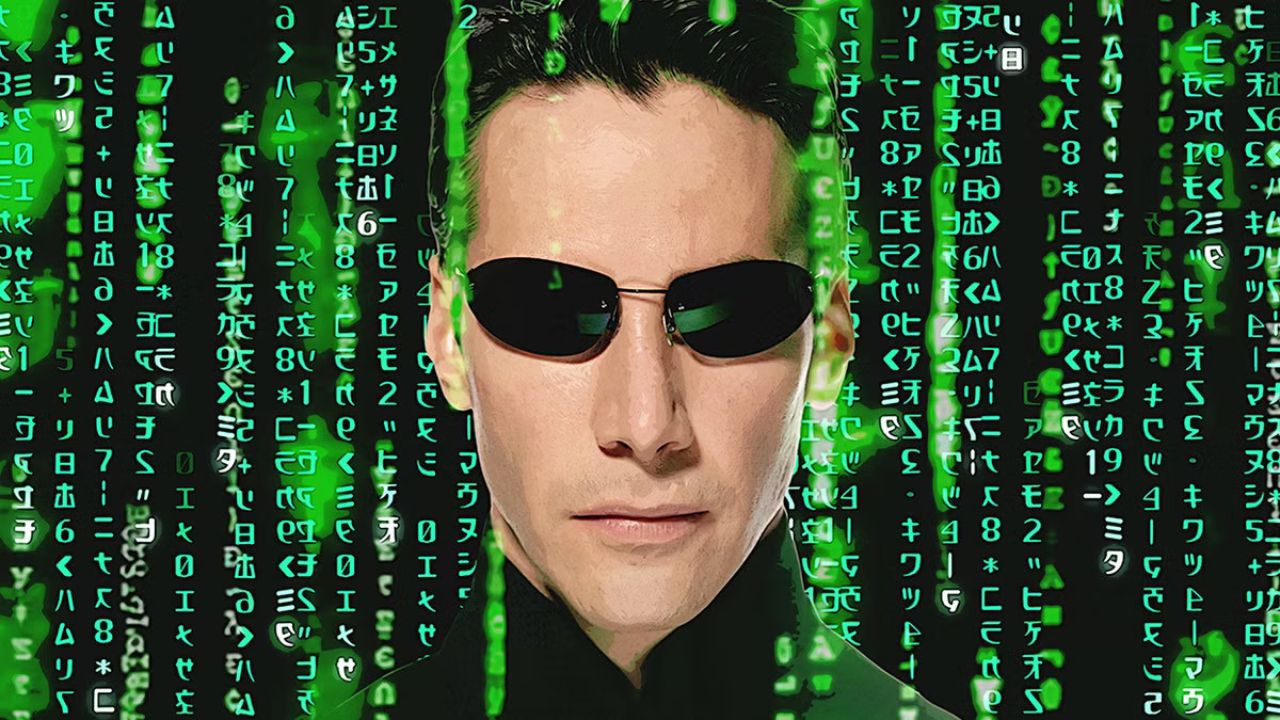
While ‘The Matrix‘ arrival on screens in 1999 brought a cold, green machine language to the masses, the iconic digital rain was actually based on human characters rather than artificial ones. The famous ‘Matrix‘ effect consisted of hand-drawn numbers and Japanese Katakana characters, referenced from cookbook pages.
In fact, it was impossible for the effect to be created any other way, due to the unique nature of traditional Asian typography. Thus, one of the most famous sci-fi visual designs ever created turned out to be human-created.
The Surprising Japanese Origin Behind The Matrix’s Famous Digital Rain
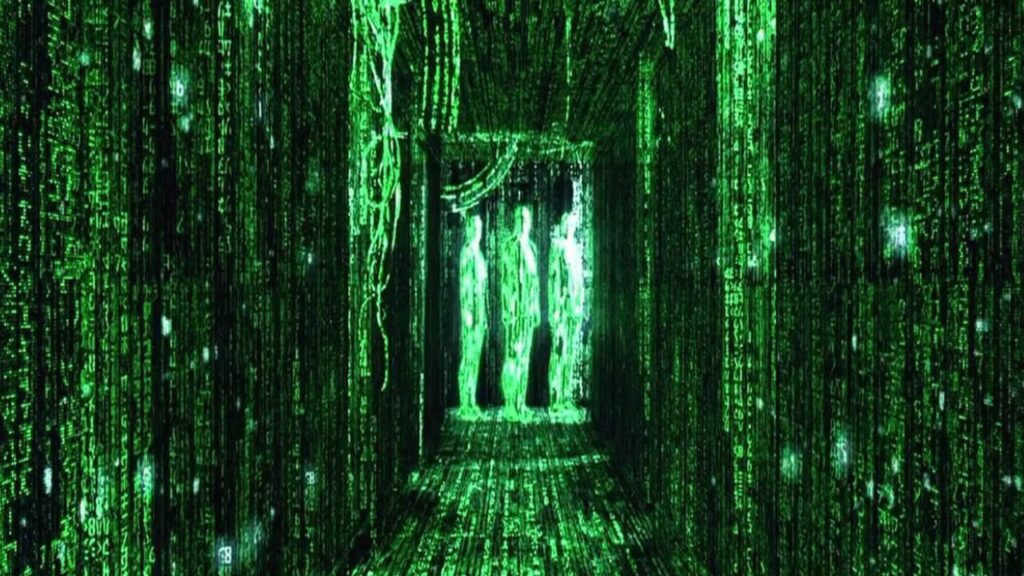
When the moviegoers first laid their eyes on the iconic “digital rain” in ‘The Matrix,’ they thought the effect must be somehow connected with an advanced machine language. But few could believe that its origin lies within something as common as a Japanese cookbook page.
According to Simon Whiteley, a production designer on the set of ‘The Matrix,‘ the symbols used in the green digital rain were created by hand-drawing the Japanese Katakana script found in Whiteley’s wife’s cookbooks and his children’s schoolbooks, which were later scanned and manipulated digitally into a cascading visual effect.
Related: Why Did Brad Pitt And Will Smith Turn Down ‘The Matrix’?
Jokingly, Whiteley stated that “the matrix code is made out of Japanese sushi recipes,” but this seemingly accidental origin of the effect only added to its mystique and brilliance.
Instead of creating a totally new language, the production designers simply took characters from the Japanese script and numbers, transformed them, and projected them back onto the screen. They played with the shapes, mirrors, and layers of characters, turning them into a beautiful and disturbing image.
In doing so, the creators achieved the perfect level of mystery. Just like that in the movie, the raining symbols created an eerie atmosphere of something beyond our understanding, which was controlling humanity from the shadows.
Why The Code Still Reflects Modern Technological Anxiety
The Matrix code has been immortalized in cinematic history for its ability to reflect a complex philosophical concept visually. Released in 1999, the movie became part of the cultural zeitgeist, sparking debates about artificial intelligence and other forms of technology.
Approaching the Y2K era increased everyone’s worries regarding technology taking control over humanity. The recent AI boom reflects what the film was trying to depict at that time.
In case you missed it: X-Men Didn’t Get Comic-Accurate Suits Because Of ‘The Matrix’. Here’s Why
Aesthetically, the rain green code reflected multiple cultures and artistic movements. Taking inspiration from the traditional typography of Asia, animation movies, and cyberpunk aesthetics, the production team created visuals that feel both futuristic and timeless.
While representing technology, the effect seems to have roots in something more natural and elegant. Ironically, one of cinema’s most innovative effects is actually based on real human handwriting.
It is interesting how the contrast between reality and artificiality gives the Matrix code such an impact. It looks like an invention, yet the characters come directly from hand-drawn texts referenced from cookbooks. Underneath all the digital manipulation hides everyday life and human culture.
What do you think about the human origin of The Matrix‘s iconic code? Let us know in the comments section below.
You Might Also Like To Read: “I Was In Pain All The Time”: Laurence Fishburne Reflects On ‘The Matrix’ Training And Why Morpheus May Never Return