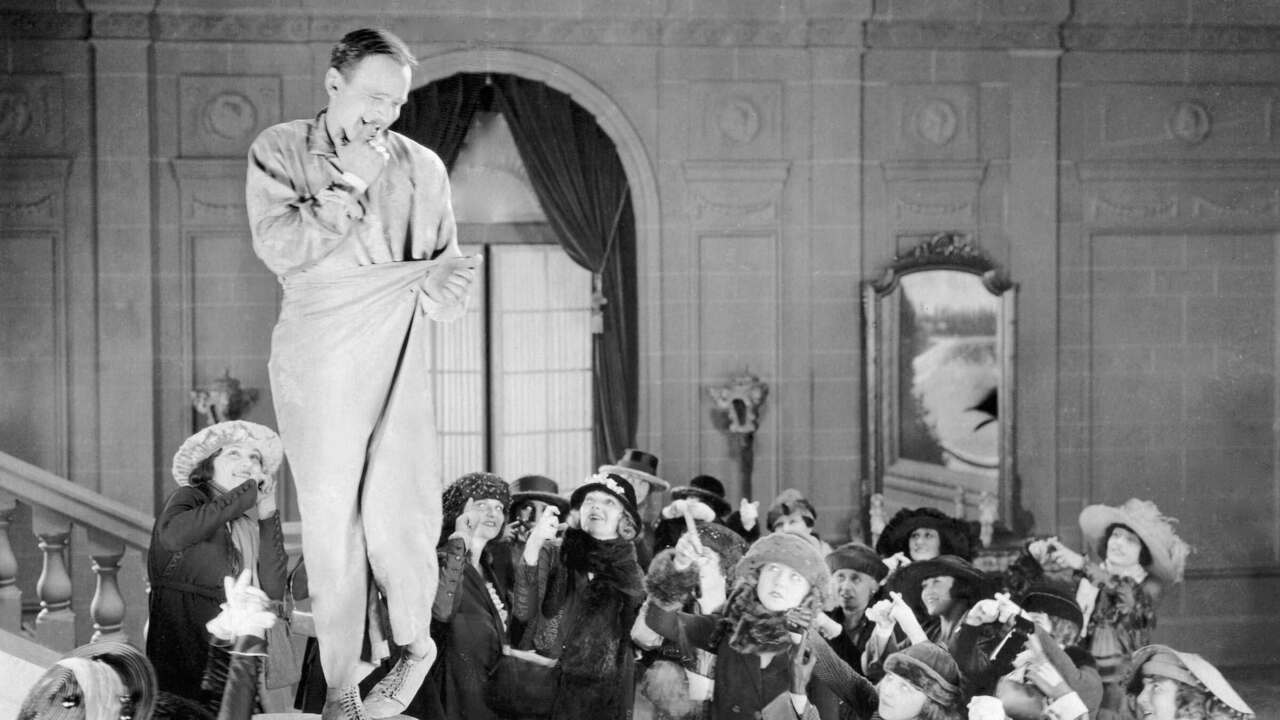
Before the sound era of musicals and color movies, there were silent films. The monochrome sepia screens had a charm of their own. That period itself reshaped and transformed how people viewed storytelling as a whole, and it’s especially the case with this Silent Movie, ‘When the Clouds Roll By.’
This 1919 movie is a masterclass on psychological horror comedy. It has an illustrious cast of seasoned actors, but here’s what it did best: it redefines how we perceive sanity as a concept, so let’s unpack this.
A Silent Movie That Reshaped Psychological Horror Comedy
When we think about horror, we think of specters, ghosts, monsters, or something evil that adds to the dread. We think of anomalies and figures that haunt a given place, and slowly they make their way into the mind.
In ‘When the Clouds Roll By,’ the horror comes from a psychiatrist, Ulrich Metz. He is plagued by his obsession with sacrificing a human for his ‘cause,’ not realizing what he’s actually doing in the process.
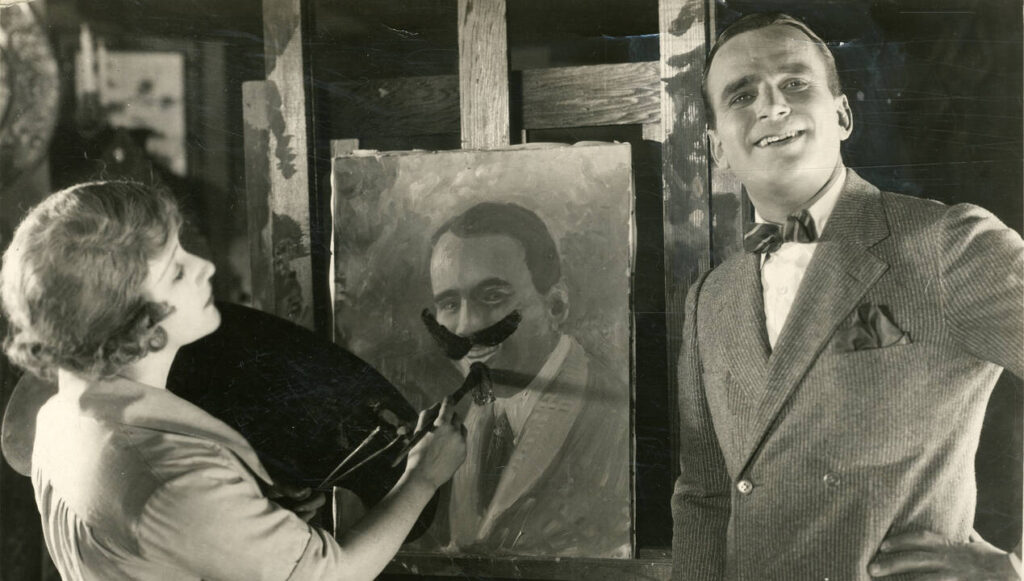
The victim is Daniel Boone Brown, played by Douglas Fairbanks. He is one of the phenomenal actors and the first one to play the masked Zorro.
Here, his character undergoes a series of transformations triggered by the doctor’s methods. As the psychiatrist relies on superstitions and myths, he manages to trap Daniel in his schemed plot.
The superstitions become manifestations with the help of the Doctor’s aids and allies. They drive the protagonist to anxiety, and he is further consumed by superstition, only to be saved by his uncle.
The project doesn’t reach its culmination, as the psychiatrist is proven to be the real madman. What adds to the comedy aspect in the movie is the exaggerated gestures, expressions, and figures.
From the bed scene where he sees a muscled figure to the theatrical sequence of the throne, it’s all mystical. It also adds a gothic charm to the movie, but what it truly does is that it explores insanity and madness within the plotline.
Related: How A Private Detective’s Files Birthed Hollywood’s Most Complex Lie
Navigating The Insanity in When the Clouds Roll By
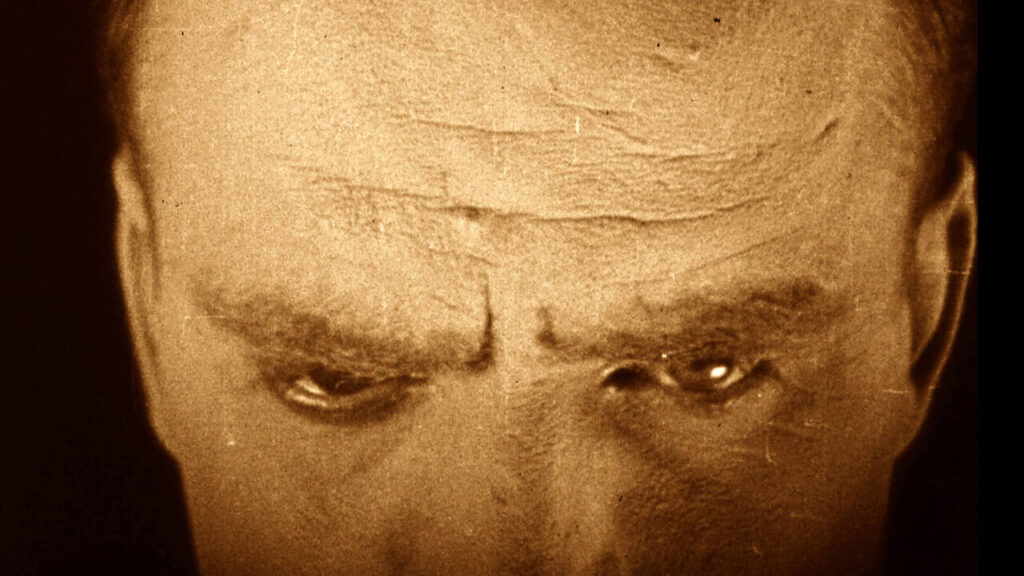
Insanity is an actual problem with Dr. Metz, who labels Daniel as a madman. When in reality, the doctor becomes the patient in this case. It is alarming to think that a healer in turn becomes the one who hurts, but not uncommon.
He almost manages to push his patient, Daniel, to the abyss for his pursuit of ‘research’ and scientific glory. Little did he know that his schemes would befall him instead.
The lack of empathy, sadism, apathy, and evil doings are what have become synonymous with the psychiatrist.
‘When the Clouds Roll By’ plays on the trope of manipulation that the psychiatrist does. He manages to make Daniel a fearful person who evades all reason and logic.
In case you missed it: Why Greta Garbo and Clark Gable Never Made Another Movie After ‘Susan Lenox’
The only saving grace is his lover, Lucette Bancroft, and ultimately, his uncle helps him overturn the outcome. It is also chilling how the scientists’ aides act as a mob devoid of reason.
That they play into this scheming without using their independent thinking. It becomes their own doing in the end as they’re rid of every grain of conscience. The film ends with Daniel reconciling with Lucette and leaving on the train.
What does it tell us about insanity and exploitation? Well, the psychiatrist’s actions reflect a megalomaniac stance. That he is willing to sabotage a young man’s well-being also puts his morality into question.
But most importantly, it is a hard-hitting commentary on mob mentality and the paranoia surrounding it.
You might also want to read: 10 Classic 1970s Movies That Would Never Be Made Today