Just months before she died in 1969, Judy Garland was already a ghost in the Hollywood machine, haunting the set of a movie that mirrored her own destruction.
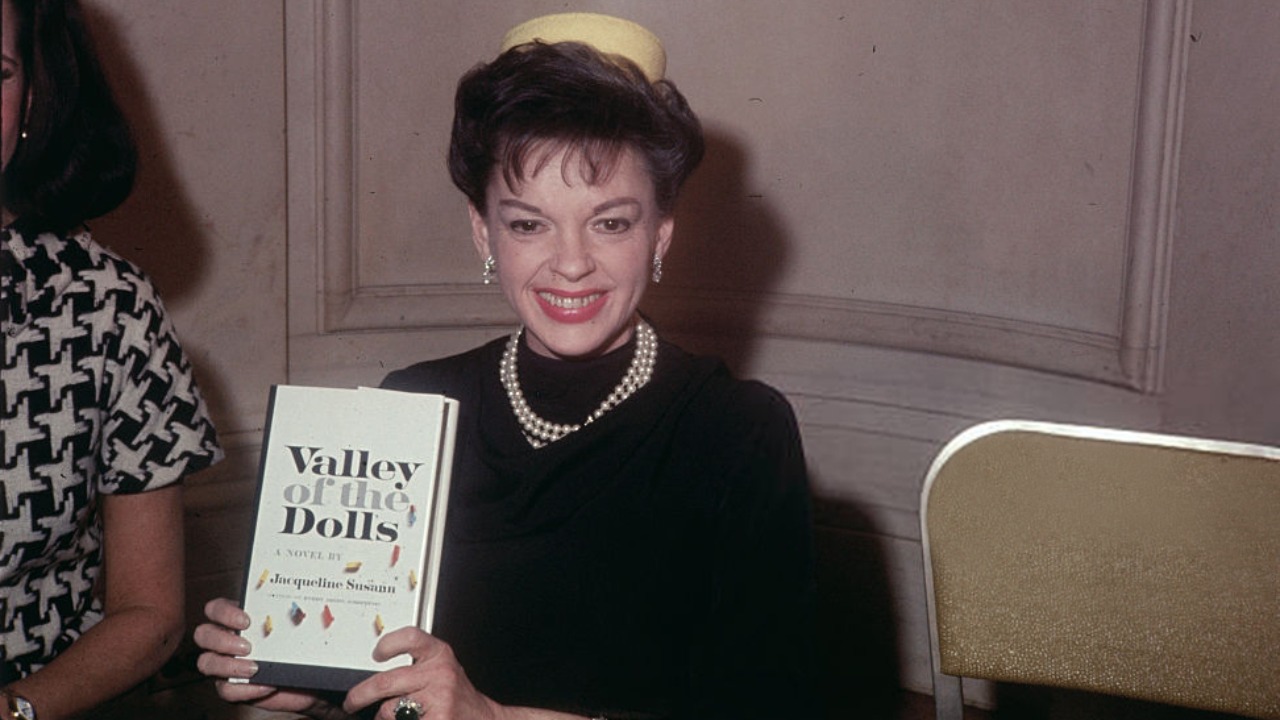
In the winter of 1967, Garland signed on to play Helen Lawson in 20th Century Fox’s adaptation of Jacqueline Susann’s ‘Valley of the Dolls.’ It was a part that barely needed any acting. Lawson was a sharp-tongued, aging Broadway diva who refused to fade away quietly. The plot follows three friends rising and falling through the entertainment business, hooked on pills referred to as “dolls.” It was a tell-all story about Hollywood’s dark side. But within a month of shooting, Garland got fired. The role she lost later became a key part of a cult midnight movie. Her real final film, ‘I Could Go On Singing,’ mostly faded away.
Why Judy Garland Was Fired from ‘Valley of the Dolls’
The casting was tragically ironic. ‘Valley of the Dolls’ was based on the best-selling novel of 1966. It was clearly about how the entertainment industry chews up women. The character Neely O’Hara, a young starlet hooked on pills, was widely seen as being inspired by Garland herself.
Related: How Judy Garland Inspired Helena Bonham Carter’s Marla Singer For ‘Fight Club’
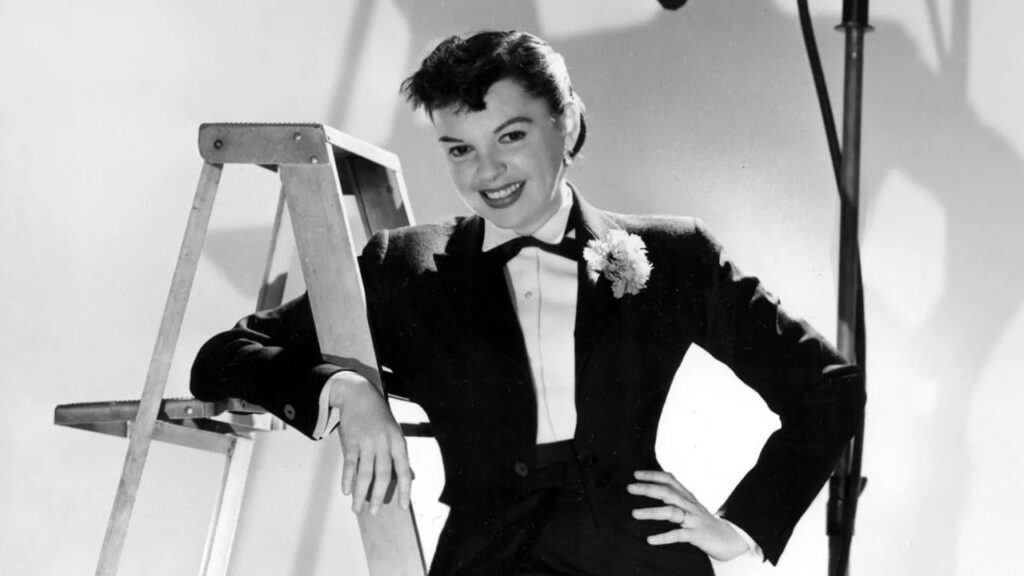
By the 1960s, Garland was no longer the fresh-faced Dorothy from ‘The Wizard of Oz.’ She was 44, broke, and known for being unreliable. That was the result of decades of studio-approved addiction. MGM had fed her amphetamines to keep her working as a teenager and gave her barbiturates to sleep.
Despite all that, or maybe because of it, director Mark Robson wanted her. Garland was cast as Helen Lawson, the established star who fiercely protects her turf.
The production was doomed from the start. According to co-star Patty Duke, Garland’s days on set were a slow-motion disaster. The actress would wait for hours, often until late afternoon or evening. During that time, people in her entourage reportedly gave her alcohol and other substances. By the time the crew was ready to shoot, Patty Duke said Garland was often in no shape to perform.
The film’s costume designer, Travilla, remembered that Garland often mixed pills with wine, which led to erratic behaviour. The last straw came when Garland did not like how her hair was styled for the role. She simply refused to film or show up for wardrobe tests. After just one month of production, and only a few days of actual shooting, 20th Century Fox fired her. The official reason was “illness,” but people in the industry knew the truth: Garland’s own addiction had made her too risky to keep.
Susan Hayward Replacement and ‘Valley of the Dolls’ Box Office Impact
The studio quickly scrambled to replace her with Susan Hayward, a tough, sober professional who played Lawson with a sneering rigidity. When ‘Valley of the Dolls‘ came out in December 1967, it made a lot of money, but critics laughed at it. The dialogue was stiff, the drama was over the top, and the clean version of drug abuse was accidentally funny.
In case you missed it: The Agonizing Real Life Trauma Hidden Inside Judy Garland’s ‘A Star Is Born’
You have to wonder what could have been. If Garland had stayed, the film would have had a realness that critics said was missing. Instead of watching Susan Hayward sneer, audiences would have watched a woman fighting her own demons on screen.
After being fired from ‘Valley of the Dolls,’ Garland returned to the stage and to the movie that became her real goodbye. That film was ‘I Could Go On Singing‘ from 1963. In that British production, she played a tortured singer trying to reconnect with her son. It was a role that required no acting whatsoever.
On June 22, 1969, Judy Garland was found dead in her London bathroom from an accidental barbiturate overdose. She was 47 years old. She never saw ‘Valley of the Dolls,’ but the film she was fired from became a permanent monument to the decade that killed her. It was a glitzy, trashy, and tragic display of show business eating its own.
You might also want to read: How Vincente Minnelli Pushed Judy Garland To The Edge On The Set Of ‘Meet Me in St. Louis’