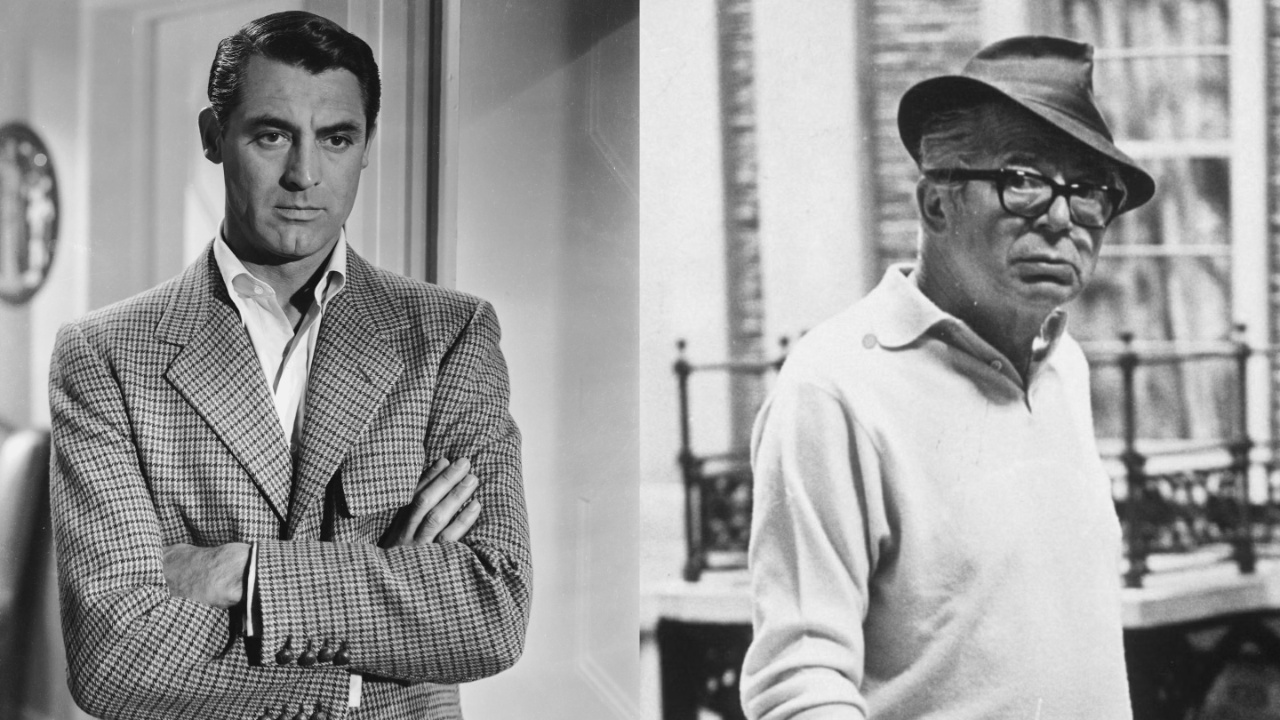
They were two of the most brilliant minds of Hollywood’s Golden Age, bound by mutual admiration and a close personal friendship. Yet, for nearly two decades, director Billy Wilder chased actor Cary Grant like a frustrated suitor. From ‘Sabrina‘ to ‘Love in the Afternoon,’ Wilder wrote parts specifically for the suave leading man. And every single time, Grant, the highest box-office draw in history, politely but firmly, declined.
To the casual observer, this made no sense. Grant worked with everyone, including Hitchcock, Hawks, and McCarey. But with Wilder, a fellow European emigre known for razor-sharp wit and cynical sophistication, Grant drew a hard line. The reason, according to some examined interviews and archival accounts, was not about money or ego. It was about survival.
Cary Grant’s Brutal Truth About Billy Wilder
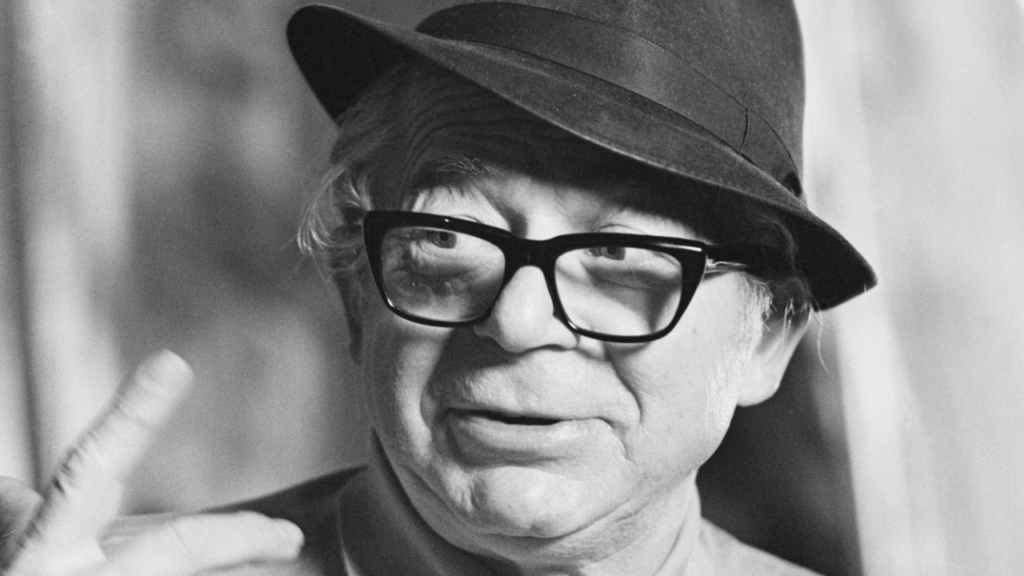
The first major fracture occurred over ‘Sabrina’ (1954), the romantic comedy that eventually starred Humphrey Bogart, Audrey Hepburn, and William Holden. Wilder desperately wanted Grant for the role of the bored, wealthy brother, a part that seemed like it was dipped in Cary Grant essence. However, Grant refused, and when pressed, he was uncharacteristically blunt.
Related: Cary Grant’s Obsession With Sophia Loren Was More Intense Than Anyone Knew
In the book ‘Conversations with Classic Film Stars‘, Grant explained his reluctance to collaborate with the director of ‘Sunset Boulevard‘ and ‘Double Indemnity‘. “I’d heard he didn’t like actors very much,” Grant said. “I’d already worked with enough of that kind of director to last a lifetime“.
It was a damning indictment of Wilder’s on-set reputation. While Wilder is now lauded as a genius of narrative structure and dialogue, contemporaries often found him cruel. Grant observed from the sidelines as ‘Sabrina’ went into production. Bogart, who took the role Grant rejected, was notoriously miserable throughout the shoot, a fact Grant later cited as validation of his instinct. “He looks very unhappy all the way through,” Grant noted. For a man like Grant, who curated his image with the precision of a master jeweler, walking onto a set where the director might bruise his ego was a non-starter.
Why Cary Grant Feared Billy Wilder’s Cynical Genius
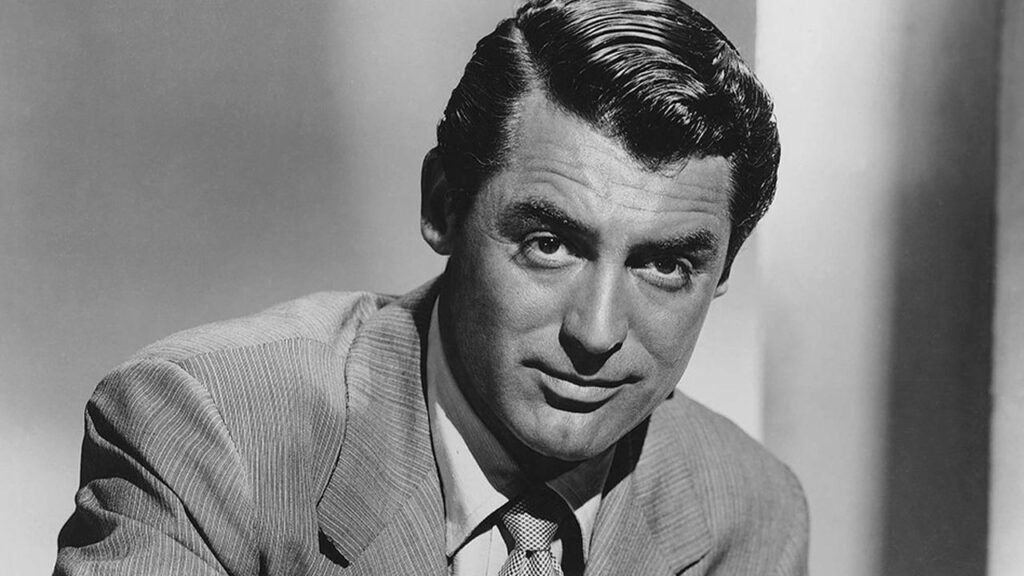
But fear of humiliation was only half the story. According to close associates of the actor, Grant engaged in a high-level psychological calculus that prevented the pairing.
In case you missed it: The Hidden Hollywood Feud Between Cary Grant and ‘Casablanca’ Director No One Talks About
Some historians argue that Grant actively avoided duplicating his screen persona. “Maybe Grant chose not to work with Wilder because it could have possibly upset the personal friendship that they established,” one analysis suggests. Grant was famously anxious. Despite his debonair facade, he worried about his accent, his age, and his acting ability. With Wilder, Grant would have had to compete with the director’s cynicism.
Moreover, the pairing was simply “too obvious.” Wilder wrote dialogue that was fast, cutting, and urbane, while Grant played characters who were fast, cutting, and urbane. By the 1950s, Grant was steering his career toward comedies of manners (Monkey Business, Houseboat) that had heart. Wilder’s worldview, by contrast, was often cruel and misanthropic. Grant feared that under Wilder’s direction, his “Cary Grant” character would become a parody of itself, or worse, unlikable.
How ‘Some Like It Hot’ Finally Gave Billy Wilder His Cary Grant
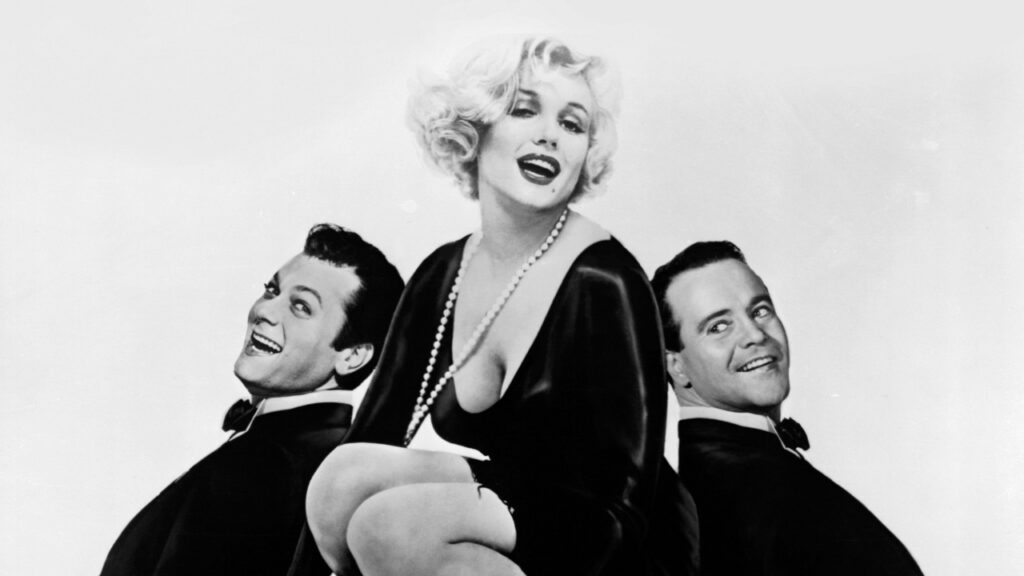
The irony of their decades-long standoff is that Wilder eventually got his Cary Grant performance anyway, just delivered by another actor. During the filming of ‘Some Like It Hot‘ (1959), Tony Curtis famously impersonated Grant to woo Marilyn Monroe’s character. Curtis’s breathy “Well, nobody’s perfect” became cinematic legend. According to set reports, when Wilder showed the rushes to his friends, Grant eventually saw the imitation.
“Grant later jokingly told Billy Wilder, ‘I don’t talk like that!!!‘” But Wilder only laughed. He knew that Curtis wasn’t just doing an impression; he was giving Wilder the star he could never cast.
Why Friendship Meant More Than Collaboration to Cary Grant
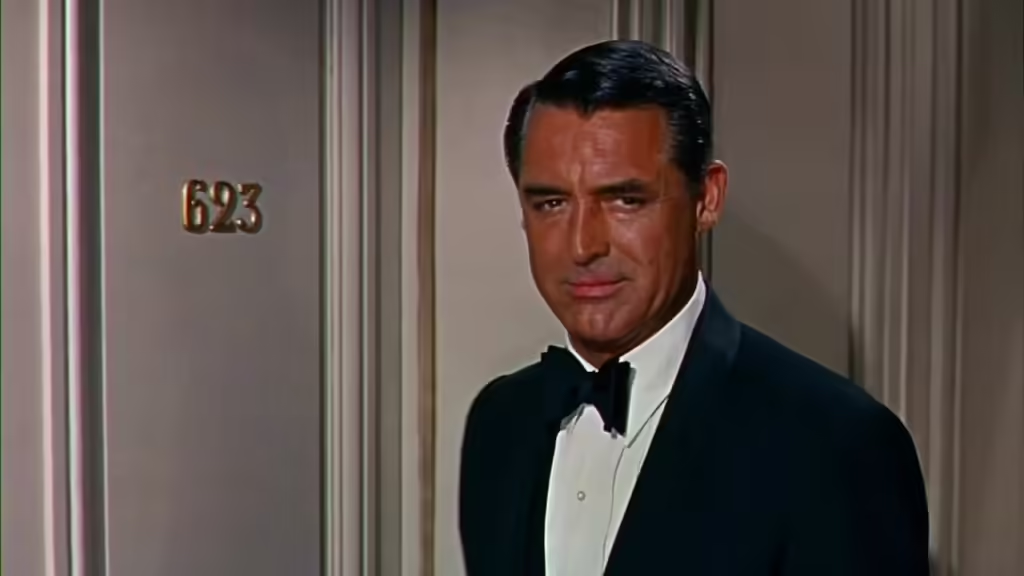
Wilder kept trying “until the very end” of Grant’s life, offering him roles that went to Gary Cooper and James Stewart. But Grant held firm. He had survived the studio system by maintaining control. With Hitchcock, he had a partnership of equals; with Hawks, a playground. With Wilder, he would have been a subject of an experiment.
In the end, Cary Grant decided he preferred the friendship to the collaboration. He would rather have dinner with Billy Wilder than be eviscerated by him. It is a rare case in Hollywood where the greatest movie ever made between two legends was the one they never shot.
You might also want to read: The Hollywood Clash That Ended Alfred Hitchcock’s Perfect Partnership with Cary Grant