
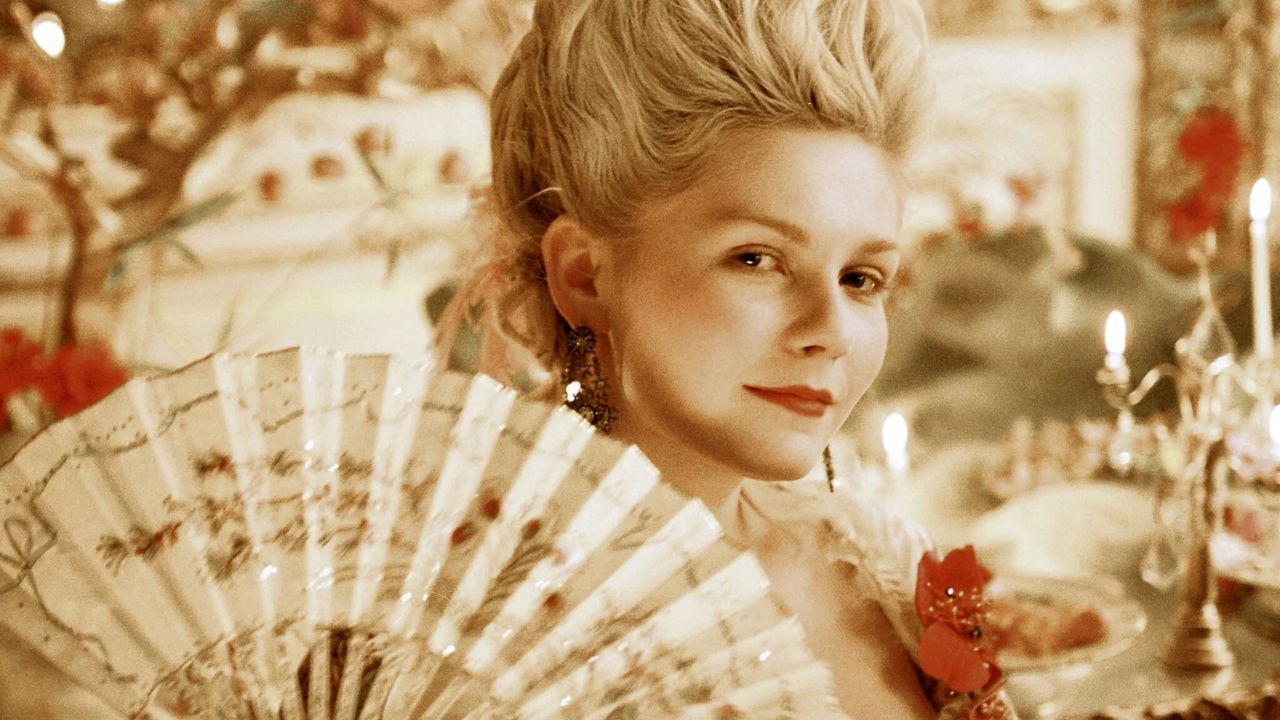
It has been 20 years since Sofia Coppola’s ‘Marie Antoinette’ graced our screens, only to be booed by critics. Why wouldn’t you do that after seeing the Queen of France frolicking through the Palace of Versailles in pastel gowns and Converse sneakers?
In 2006, critics interpreted the movie as an extension of Coppola’s own privileged upbringing. It is only after 20 years that the world is getting to know the film’s audacity to put a teenage girl’s perspective over everything else.
The World Wasn’t Ready For ‘Marie Antoinette’
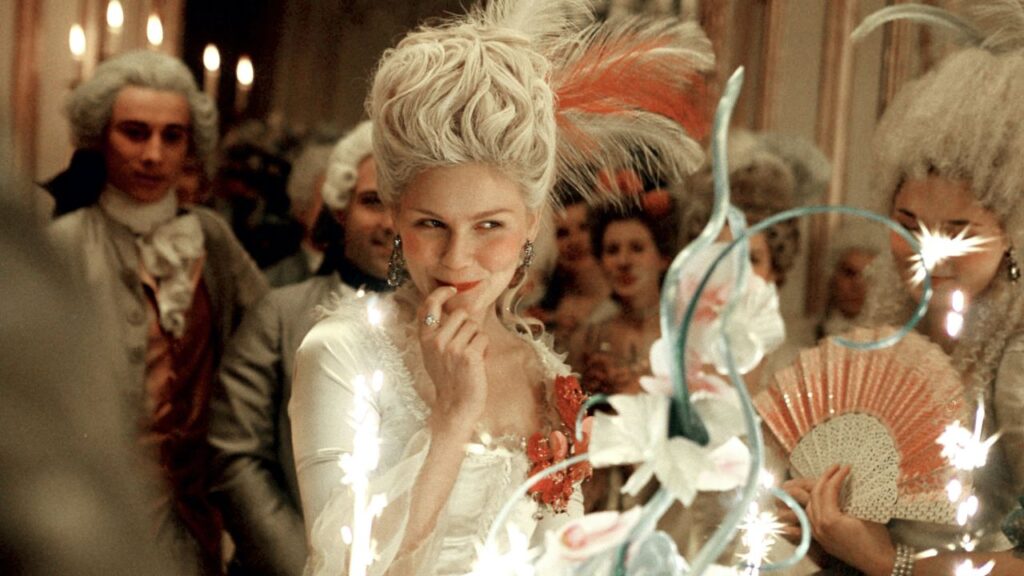
There is something almost poetic about the way ‘Marie Antoinette’ was received in 2006. It got booed at Cannes and subsequently became a commercial flop. All because it dared to approach one of history’s most infamous figures from a completely unexpected angle.
For once, a period film put the politics and historical accuracy away to dive into the emotional experience of a fourteen-year-old girl married to a stranger, uprooted from everything familiar, and thrust into a hostile court where she was expected to perform an identity she had barely begun to understand.
Related: Top 10 Women Authors’ Movies Inspired by Their Lives
But the world wasn’t ready for that narrative. Critics forgot to question whether the film was ever interested in delivering a textbook account of history in the first place.
From the start, the film was trying to explore the very distinct experience of growing up as a girl and the many brutal expectations that are imposed upon the female body and identity. It drew from Marie Antoinette’s extravagant indulgences that eerily mirrors the form of rebellion and systemic confinement we find in our society today.
The film came about at a time when popular culture equated and limited female empowerment to just a cog in the wheel of capitalism and consumerism. Female identity became synonymous with the ability to purchase, possess and display. The idea that women can shop their way to equality was being pushed everywhere. Whereas actual systemic issues got more and more buried under the carpet. This idea of “girl power” is easily identified with the Y2K, though it was always there in society and still is.
‘Marie Antoinette’ took a bold attack on this idea to question whether such commodified feminism could ever be enough, or if it was just another way to restrict the female identity. This critique was so brilliantly woven into the film that it escaped the notice of high-brow critics. Though the message eventually found its way to its audience, particularly among those young women who recognised something of themselves in the heroine.
How ‘Marie Antoinette’ Re-invented Modern Filmmaking
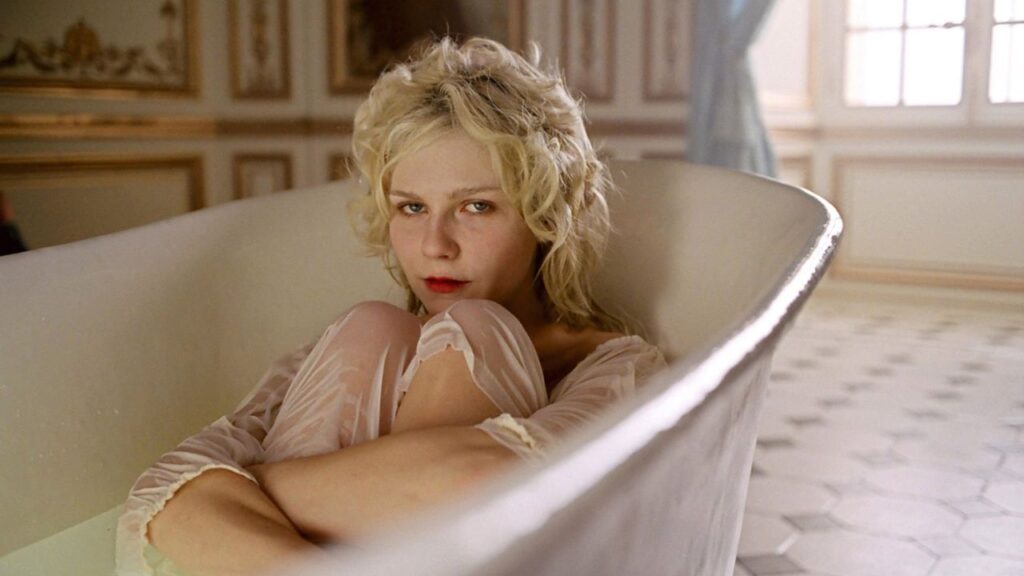
In her film, Sofia Coppola traded historical accuracy for subjective interiority, transforming the figure of Marie Antoinette into a portrait of a deeper and more current social issue. The aristocratic Palace of Versailles gets turned into a gilded cage for the modern girl navigating adolescence. Its lavish costumes, elaborate sets and those iconic pastel colours are all turned from simple aesthetic flourishes into ways of defining the emotional shields and expression of modern teenagers, as well as a reflection of consumer culture.
In Case You Missed It: Top 12 Movies With Problematic Women We Can’t Help But Love
This style of period filmmaking has since become a genre-defining phenomenon. Whether it is ‘Bridgerton’, ‘The Great’, or ‘The Favourite’, contemporary historical dramas are all prioritising psychological complexity and escapism over conventional historical storytelling. History has become a playground for filmmakers to explore complex characters rather than sticking to a rigid framework.
Because ultimately, the goal is to do more than simply tell the history again and again in the same way. ‘Marie Antoinette’ asked a question that is far beyond the history of Versailles: if even a queen can find her identity and body controlled by the expectations of others, what hope is there for the rest of us? Twenty years later, that question remains just as relevant. Sometimes, the most radical thing a film can do is make the past feel intimately and uncomfortably familiar to the present.
You Might Also Like To Read: 10 Weird Girl Movies You Need To Watch