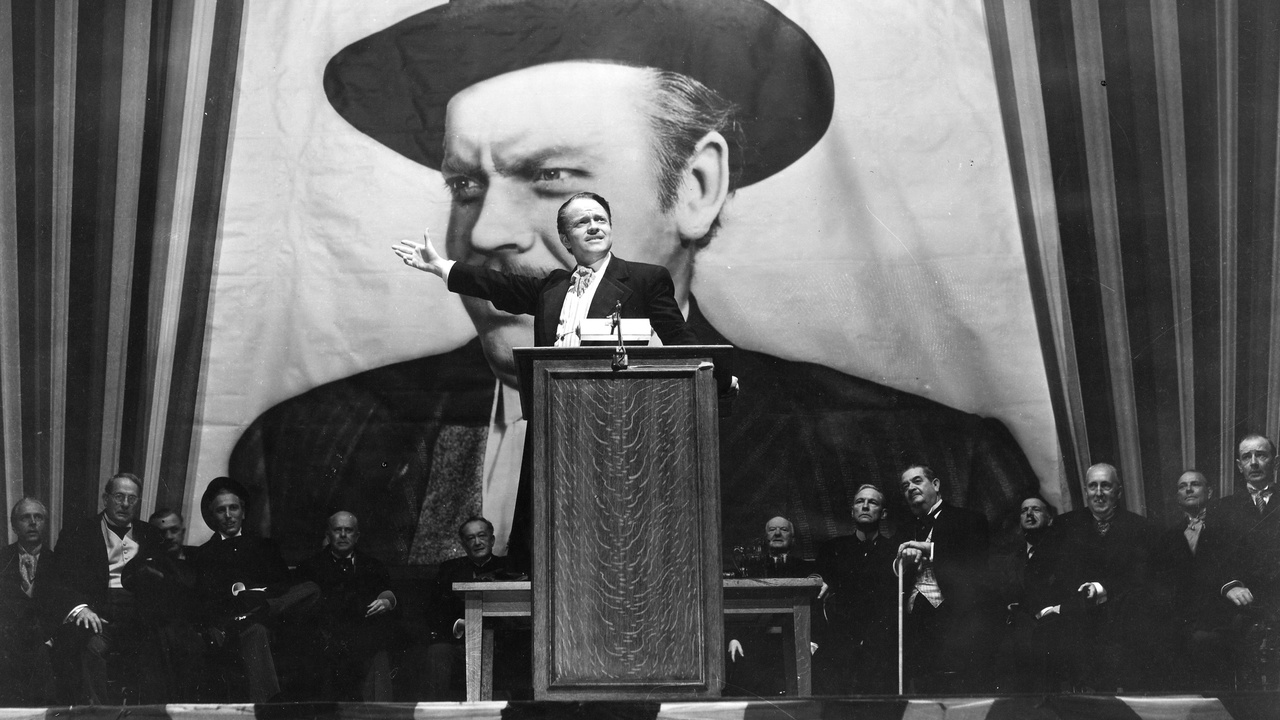
Most debates about the origin of ‘Citizen Kane‘ focus either on the director’s talent or the realism associated with the Western movies of that era. However, in her attempt to trace the roots of its iconic cinematography, renowned film critic Pauline Kael uncovered another layer of movie history. She argued that 1930s Hollywood cinematographers drew heavily on European horror cinema.
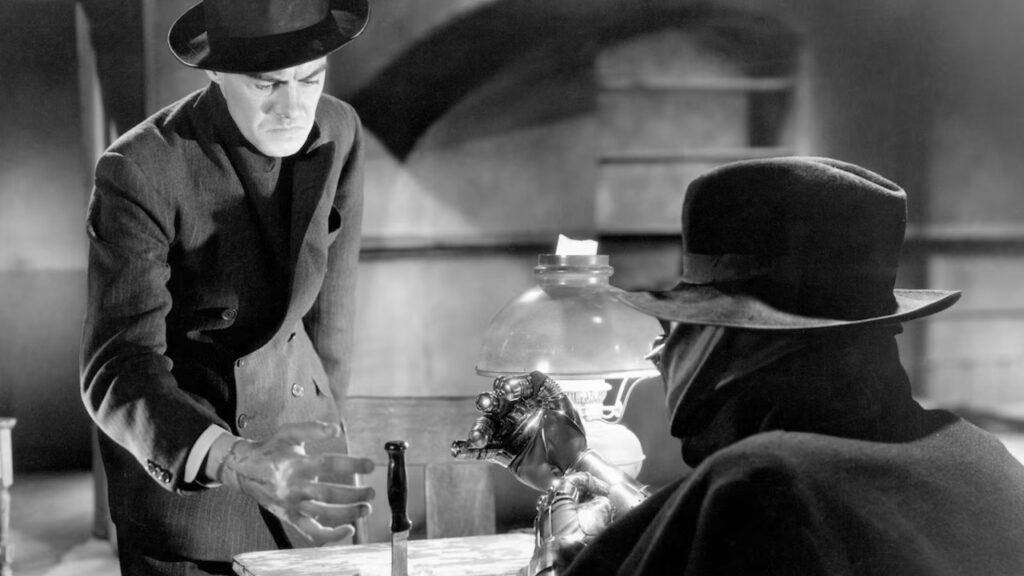
In her search for influences behind Orson Welles‘ movie, Kael observed the work of cinematographer Gregg Toland in ‘Mad Love‘ (1935), one of the most influential horror movies from the 1930s. Kael believed that Toland’s work in the movie revealed his adaptation of German Expressionist techniques, a key inspiration for camerawork used in ‘Citizen Kane.’
The Influence Of German Expressionist Techniques
While analyzing ‘Citizen Kane,’ many viewers and critics noted that the film’s visual style resembled that of German Expressionist cinema. The use of deep-focus compositions, dramatic lighting contrasts, and carefully structured frames seemed to echo techniques popularized in Germany during the silent era.
Related: Top 5 Must-Watch Orson Welles Movies That Redefined Cinema Forever
As a result, some began searching for a connection between Orson Welles’ masterpiece and the German filmmaking tradition. Their attention eventually turned to Gregg Toland, the film’s acclaimed cinematographer, whose earlier credits included Karl Freund’s ‘Mad Love.’
Toland was already regarded as one of Hollywood’s finest cinematographers. He had worked on classic films such as ‘The Grapes of Wrath’ and ‘The Long Voyage Home.’ Meanwhile, Freund had emerged as a pioneering figure in German cinema before moving to Hollywood.
As a cinematographer, he had collaborated with legendary directors including Fritz Lang, F.W. Murnau, and G.W. Pabst. He helped in shaping the visual language of German Expressionism.
Toland worked closely with Freund on the 1935 horror classic. And that’s why some observers saw the film as a possible bridge between the German tradition and the visual innovations that would later define ‘Citizen Kane.’
Pauline Kael Uncovered The ‘Mad Love’ Connection In ‘Citizen Kane’
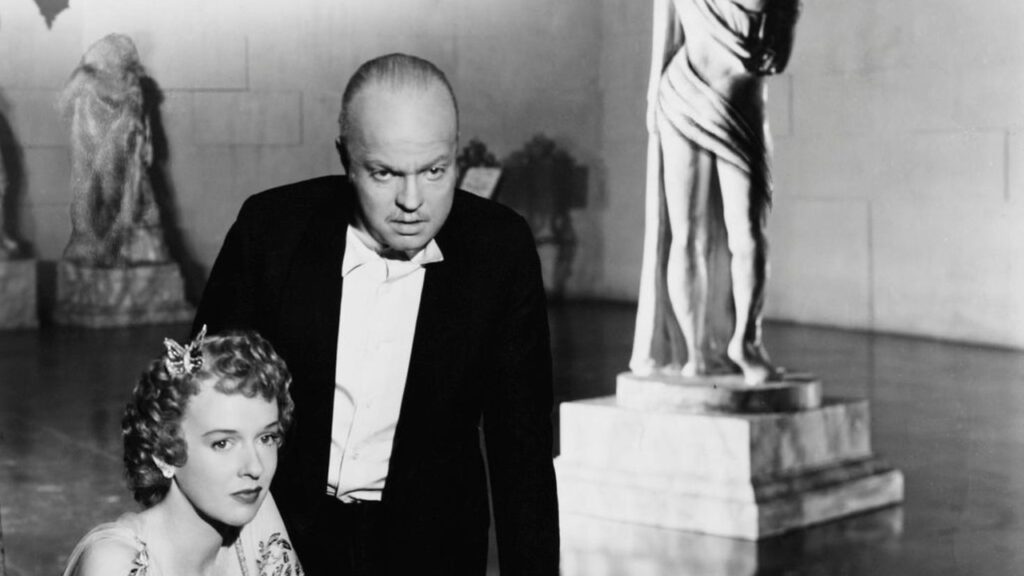
In search of a link to the German filmmaking tradition, film critic Pauline Kael revisited Toland’s earlier works, including ‘Mad Love.’ “I wondered if there might be a link between Gregg Toland and the German tradition, though most of Toland’s other films didn’t suggest much German influence,” she wrote in ‘Raising Kane and Other Essays.’
In Case You Missed It: 10 Timeless Films That Prove Perfection in Cinema Is Real
“When I looked up his credits as a cameraman, the name ‘Mad Love’ rang a bell. I closed my eyes and visualized it,” she added. During her rewatching of ‘Mad Love,’ Kael found more and more similarities with Orson’s masterpiece.
Not only did the interiors resemble one another, with Lorre’s cavernous, fireplace-centered domain recalling Xanadu. But the films also shared similar lighting techniques and carefully staged compositions.
Another point that impressed Kael was Peter Lorre’s performance in Freund’s movie. It led the critic to believe that Lorre’s character, Doctor Gogol, inspired Kane’s look in some scenes. The final element Kael identified was the bird that both Kane and Lorre owned.
Since the cockatoo never appeared in the initial script of ‘Citizen Kane,’ Kael found its presence very intriguing. It was due to its similarity to the bird seen in ‘Mad Love.’
“That screeching white cockatoo, which isn’t in the script of Kane, but appeared out of nowhere in the movie to provide an extra ‘touch,’ is a regular member of Lorre’s household,” she noted.
For Kael, these visual and thematic similarities suggested that ‘Mad Love’ served as an overlooked precursor to ‘Citizen Kane.’ In her view, Toland’s exposure to Freund’s German-influenced style may have played a larger role in shaping the look of Welles’ masterpiece than most historians had acknowledged.
You Might Also Like To Read: 21 Best Black-And-White Movies Of The 21st Century, Ranked