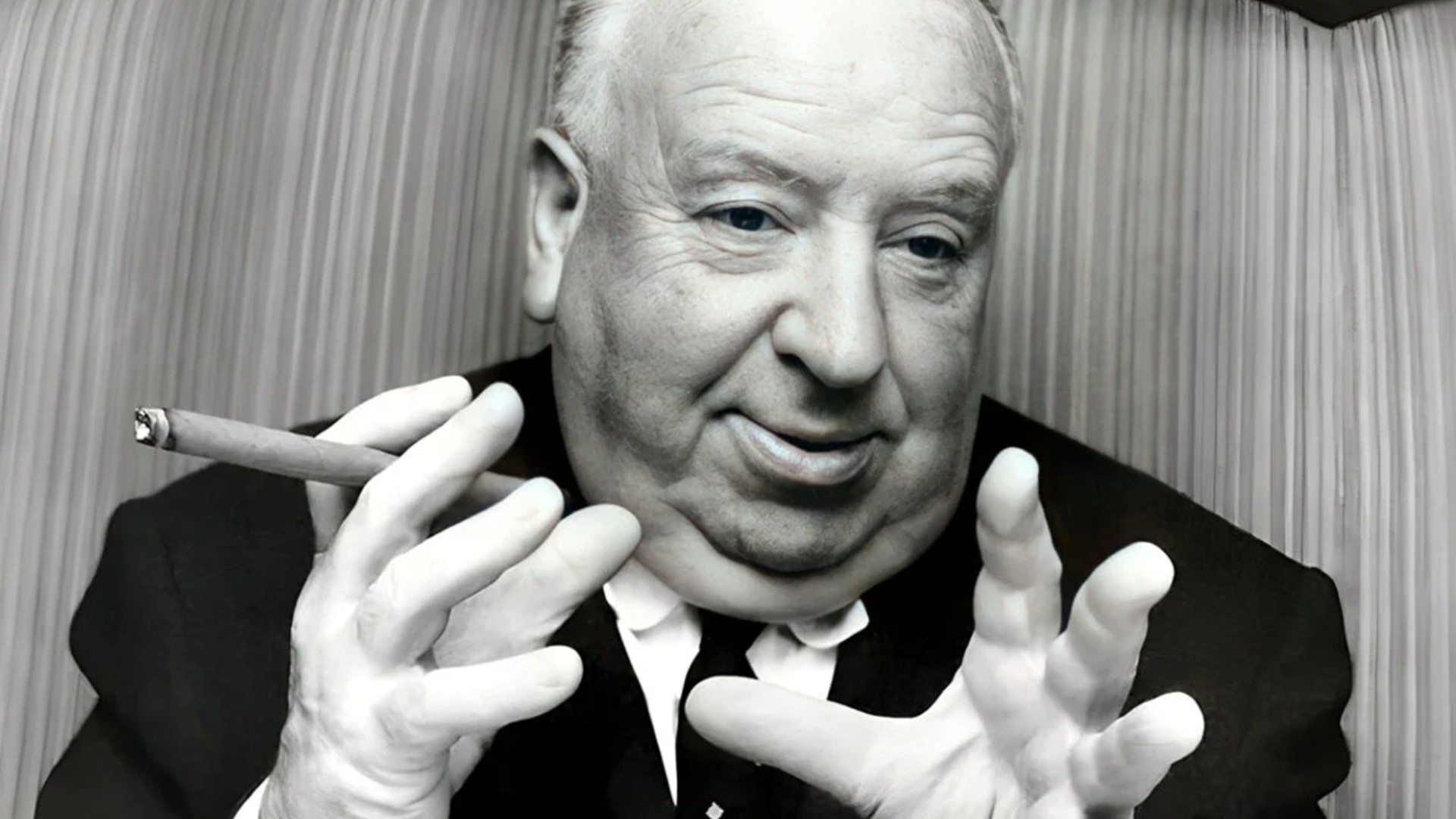
For six decades, ‘Psycho‘ has been read as one of cinema’s darkest achievements. It’s the film that invented the modern slasher, turned a shower into the most terrifying place on Earth, and cemented Alfred Hitchcock‘s reputation as the master of dread. But according to the director himself, that reputation rests on a colossal misunderstanding.
In a 1964 interview for the BBC program Monitor, unearthed years later and included on the audiobook ‘Alfred Hitchcock: In His Own Words,’ Hitchcock made a startling confession. He described making ‘Psycho‘ as a tongue-in-cheek exercise, and said its content struck him as amusing enough to qualify as a “big joke”. He added that he was horrified that some viewers had taken the film seriously.
Paramount Pictures Rejected the ‘Psycho’ Script
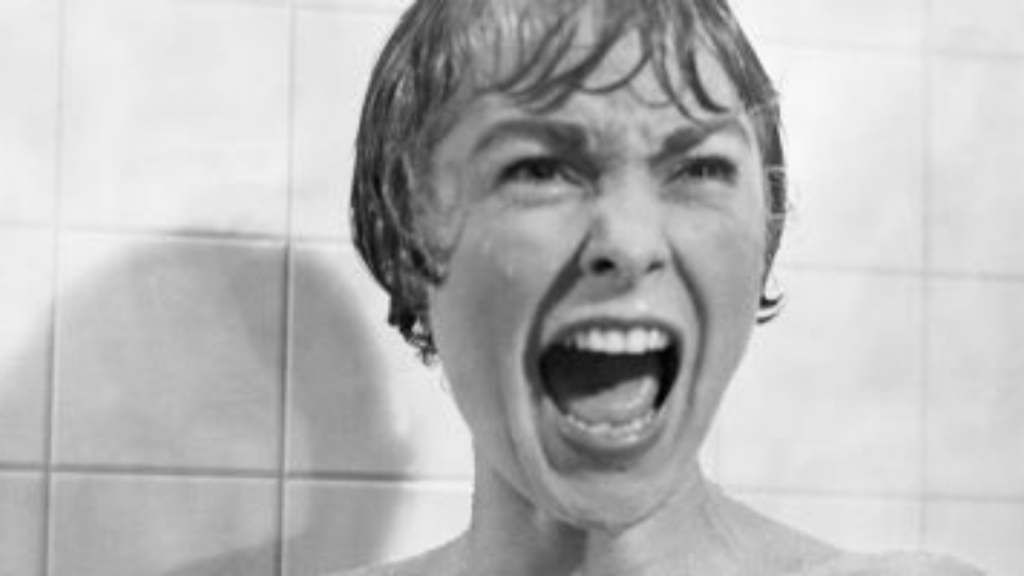
Now, that’s a strange thing to hear about a movie that made the Observer’s film critic walk out of a screening and resign, that got banned or censored in multiple countries, and that redefined how far a mainstream studio picture could push sex and violence. Yet Hitchcock stuck to his story. He compared the whole experience to a carnival ride. He said the goal was to produce screaming and yelling no more intense than what you’d hear on a rollercoaster, and that a good showman knows not to push riders past the point of enjoyment.
Related: How Alfred Hitchcock’s ‘Psycho’ Flushed Away Hollywood’s Weirdest Censorship Rule
The backstory of how ‘Psycho‘ got made only backs up the idea that Hitchcock saw the whole project as a mischievous experiment rather than a prestige picture. By 1959, Paramount Pictures wanted nothing to do with Robert Bloch’s pulpy novel about a motel-keeper with a mother problem. Studio readers found it too repulsive for film. So Hitchcock did something almost unheard of for a director of his stature. He financed it himself, gave up his usual $250,000 fee for a 60% cut of the profits, and shot it in black and white using the crew from his television anthology series instead of his usual feature-film unit.
That decision wasn’t just about money. It let him shoot fast and cheap, treating a movie almost like an extended TV episode. The whole picture came together for under $807,000 in about seven weeks, using Universal’s backlot because Paramount wouldn’t even lend him a soundstage.
How ‘Psycho’ Became Hollywood’s Biggest Black and White Hit
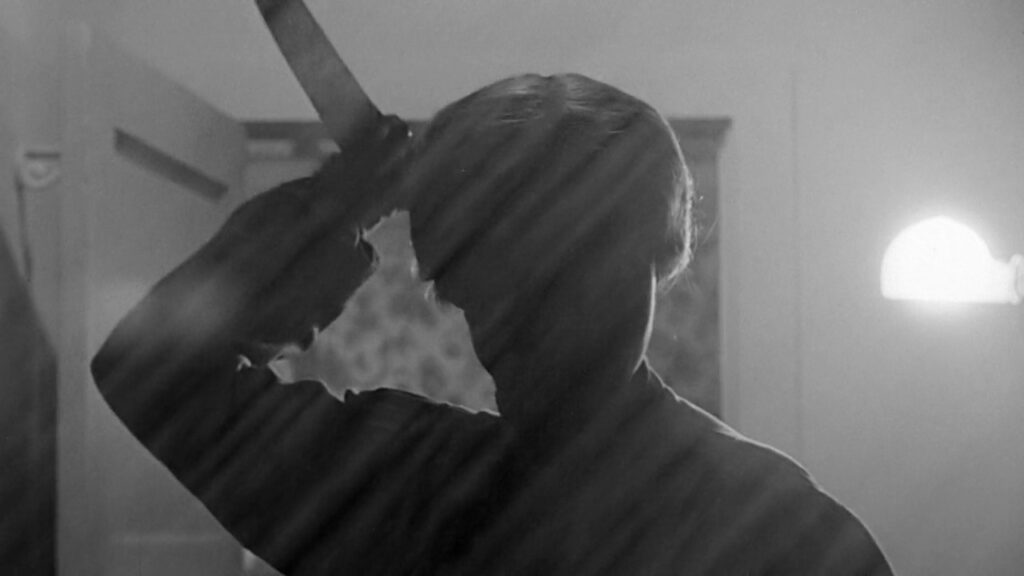
The gamble paid off big. ‘Psycho‘ grossed roughly $32 million domestically, making it the second-highest earner of 1960 behind ‘Spartacus.’ It also became the most successful black-and-white film in Hollywood history. Hitchcock personally walked away with millions, and later folded his stake into MCA stock that made him one of the studio’s largest shareholders.
In case you missed it: Why Alfred Hitchcock Shot ‘Psycho’ in Black and White Instead of Colour
Was Hitchcock Serious About ‘Psycho’ Being a Joke
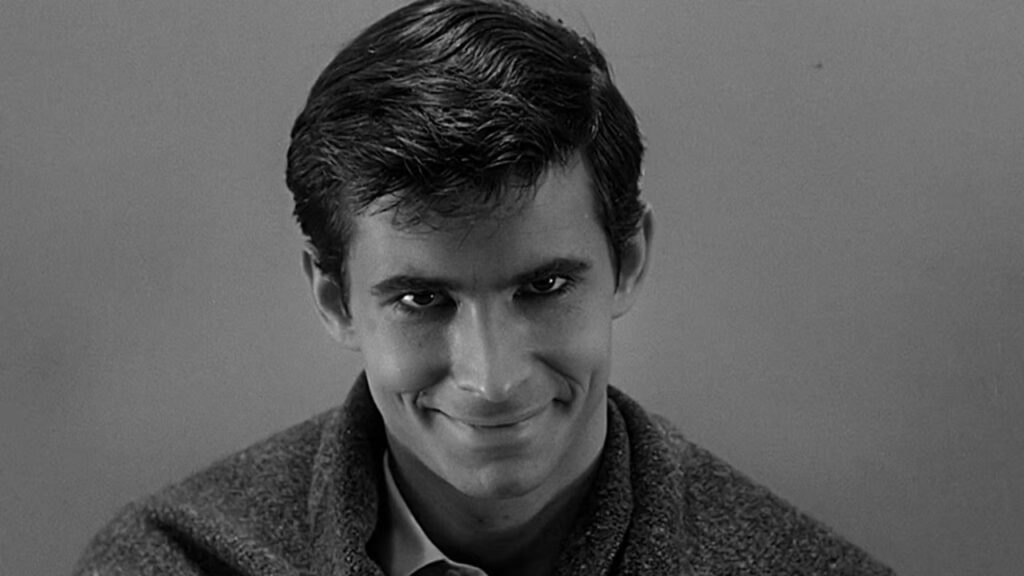
Was the “big joke” comment sincere, or just one more piece of Hitchcockian showmanship? A director who loved playing games with his audience, still playing one from the other side of the camera? Scholars are split on this. Some say his remarks were simply an old man’s wry deflection, delivered four years after the fact to a British interviewer, and shouldn’t be read as a literal statement of intent. Others take him at his word, pointing out that Hitchcock talked elsewhere about “directing viewers” and “playing them like an organ,” language that fits a director who saw audience manipulation as the whole point.
What’s clear is that Hitchcock never treated ‘Psycho‘ with the reverence later generations would give it. He nearly cut it down for television broadcast before hearing Bernard Herrmann’s now-iconic score, which he credited with roughly a third of the film’s effect. He promoted it himself with a jaunty, tour-guide trailer instead of solemn prestige marketing. And true to form, right up until his death in 1980, he still seemed to find something funny about the fact that the rest of the world was still screaming.
You might also want to read: The Creepy ‘Psycho’ Easter Egg Hidden in ‘Barbie’ That Most Viewers Completely Missed