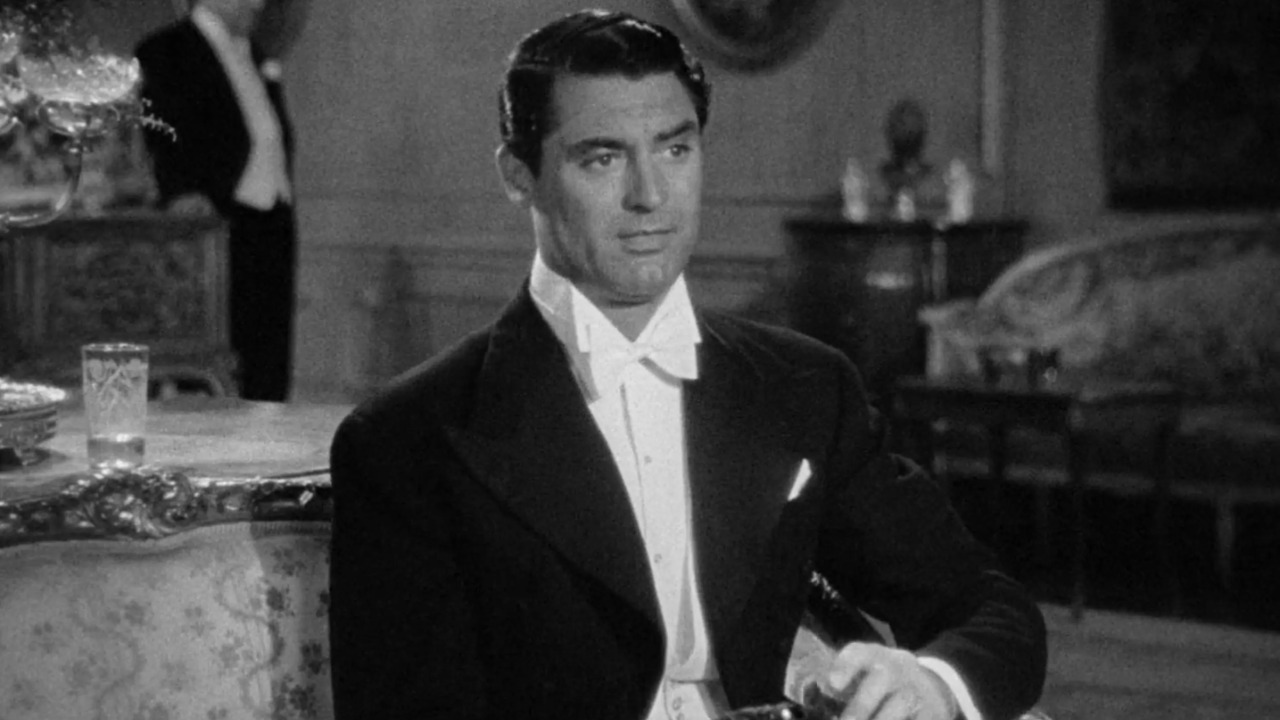
Before he became the picture of charm that Hollywood couldn’t stop copying, Cary Grant was just another leading man trying to survive the studio system. And for one tense stretch in 1937, he was actually trying to get out of the very film that would end up making him a star.
The movie was ‘The Awful Truth,’ a screwball comedy for Columbia Pictures directed by Leo McCarey. Grant was cast opposite Irene Dunne, and by most accounts, he showed up on set genuinely nervous. McCarey didn’t believe in rehearsals or a finished script. He liked to build scenes as he went, feeling out the jokes in the moment instead of giving actors pages to memorize ahead of time. For an actor who was still figuring himself out, by his own later admission, that kind of loose, make-it-up-as-you-go approach felt more like a threat than a gift.
The First Day Of Shooting That Rattled The Cast
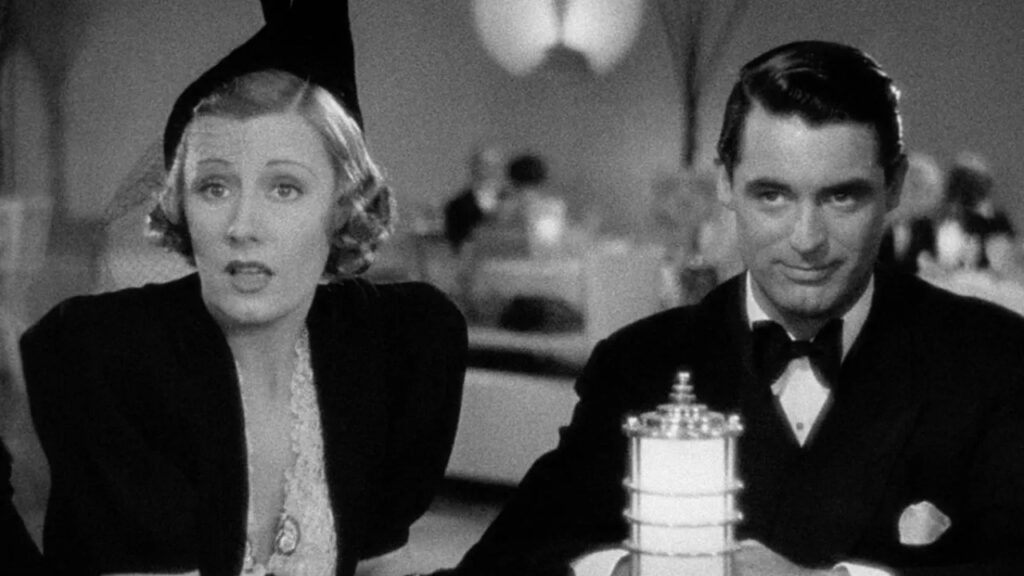
Apparently, it only took one day for things to fall apart. Ralph Bellamy, the film’s third-billed co-star, said both leads were shaken after the first day of shooting. He remembered Irene Dunne in tears, not sure what kind of performance the part even needed.
Related: Cary Grant Refused This Judy Garland Classic Because He Was Too Intimidated
Grant, for his part, decided he was done. Bellamy recalled him saying he’d rather walk away and do a future film for free than stick around for this one.
Cary Grant’s $5,000 Offer To Harry Cohn
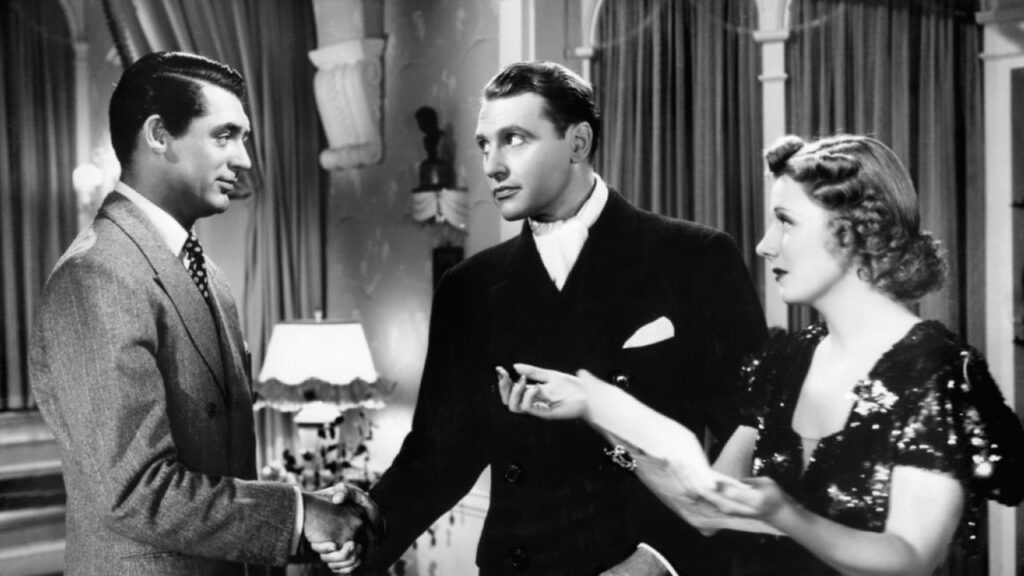
When talking to McCarey didn’t get him anywhere, Grant went further. He skipped the director entirely and wrote directly to Columbia boss Harry Cohn, an eight-page memo bluntly titled “What’s Wrong With This Picture.” There, he spelled out everything he thought McCarey was botching. It wasn’t just griping either. Grant backed it up with cash, offering $5,000 out of his own pocket to get released from his contract, in exchange for agreeing to do his next film for the studio free of charge. However, Cohn said no.
In case you missed it: Why Cary Grant Refused to Work With Billy Wilder Despite Their Close Friendship
Then, in a twist that sounds like it belongs in one of Grant’s own comedies, McCarey, the very director Grant was trying to escape, had apparently hit his own breaking point. Once he found out about Grant’s letter, McCarey went straight to Cohn and offered his own $5,000 just to get Grant off the picture. Cohn turned that down too.
How ‘The Awful Truth’ Shaped The Cary Grant Persona
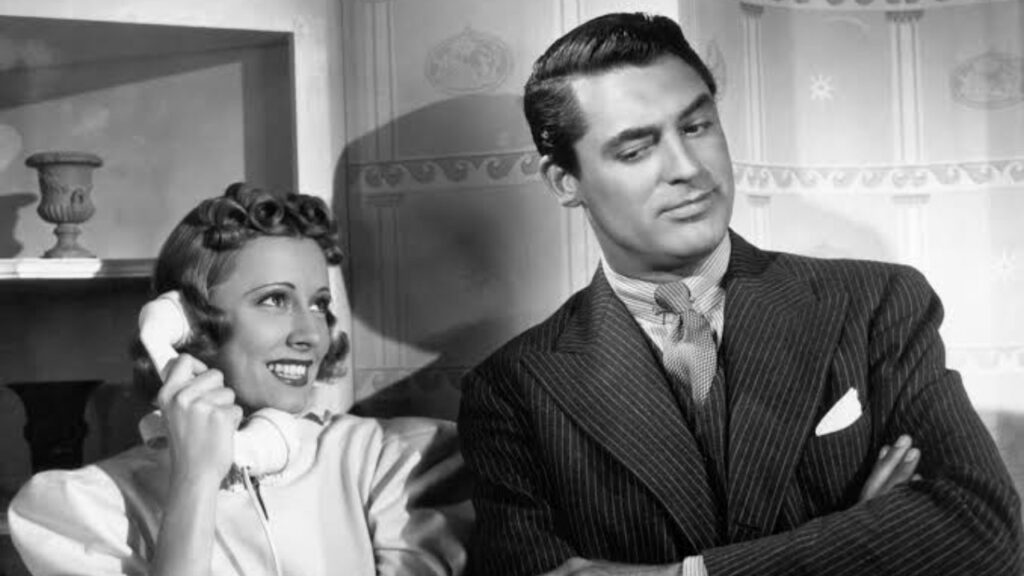
So both men, stuck with each other whether they wanted to be or not. They had no option but to finish the film. What came out of that reluctant pairing turned into one of the defining screwball comedies of its time, and more importantly for Grant, the film most historians point to as the moment his screen persona finally clicked. The wit, the physical comedy, the charm with just enough vulnerability underneath to feel real, it’s all there in ‘The Awful Truth,‘ fully formed for what’s considered the first time.
The years right after prove how big a turning point that really was. Between 1938 and 1940, Grant put together one of the great runs in film history. It included the likes of ‘Bringing Up Baby,’ ‘His Girl Friday,’ ‘Only Angels Have Wings,’ and ‘The Philadelphia Story,’ all of it built on the persona he stumbled into while fighting against it on that first miserable day of shooting.
This leaves an almost impossible question hanging over the whole story. If Cohn had just said yes and let Grant walk, would there have ever been a “Cary Grant” the way audiences came to know him? Or would he have just been another handsome contract player, one of the many Hollywood used up and moved on from? Sometimes the movie almost lost is the one that ends up defining everything after it.
You might also want to read: The Lost Production That Exposed Cary Grant’s Dark Side in Hollywood