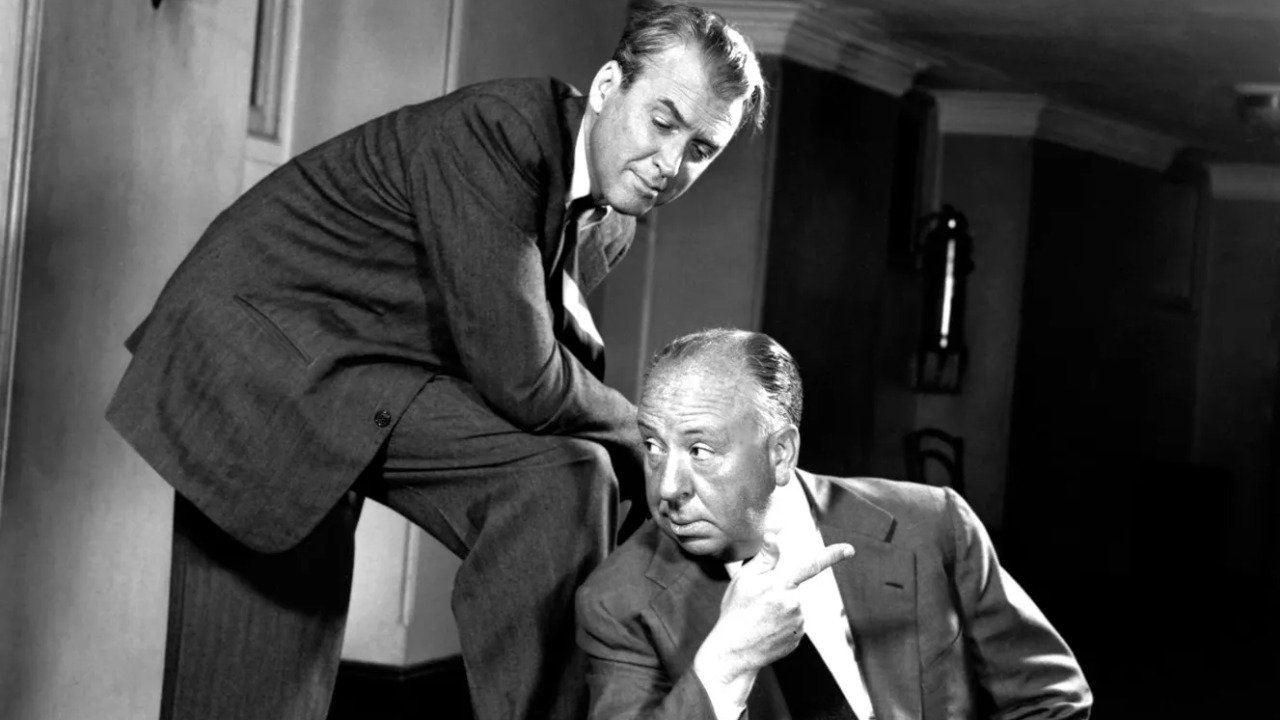
For four films across more than a decade, Alfred Hitchcock and James Stewart seemed like the perfect Hollywood pairing. Stewart’s everyman warmth gave Hitchcock’s cold, clockwork suspense a human pulse. Audiences trusted Stewart, and that trust let Hitchcock lead them into darker places than they realized they were going.
But behind the partnership that produced ‘Rope‘, ‘Rear Window‘, ‘The Man Who Knew Too Much‘, and finally ‘Vertigo‘, a quieter tension had been building, one that would end their collaboration for good.
Vertigo’s Journey From Box-Office Flop to Greatest Film Ever Made
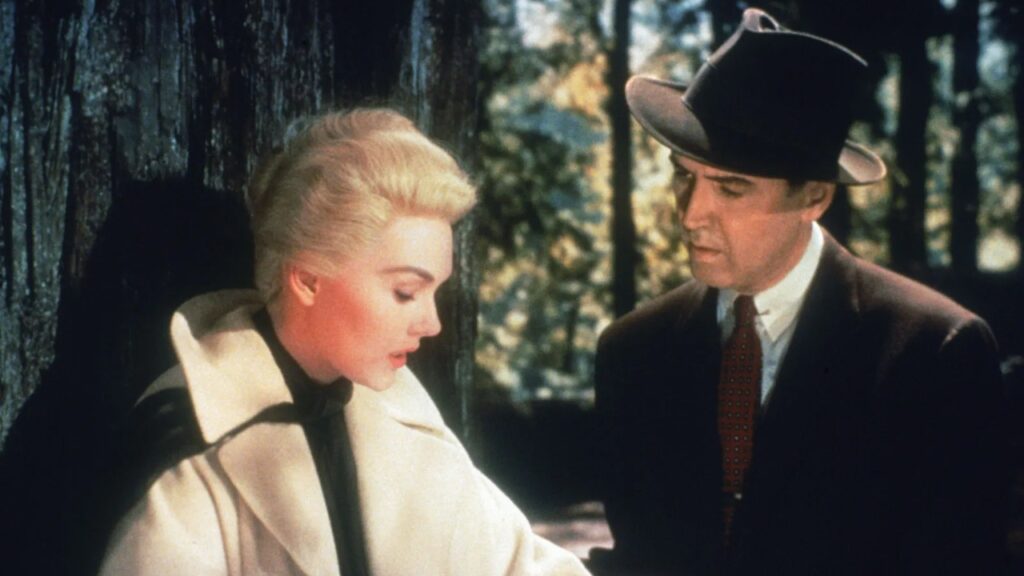
‘Vertigo‘, released in 1958, is now routinely ranked among the greatest films ever made. It topped Sight & Sound’s once-a-decade critics’ poll in 2012, knocking ‘Citizen Kane‘ out of the top spot.
Related: Why James Stewart’s Final Major Film Ended in Disaster with Bette Davis
However, at the time, it was a box-office disappointment, and the reaction to that failure exposed a fault line between director and star that had likely been forming for years.
Why Alfred Hitchcock Blamed James Stewart
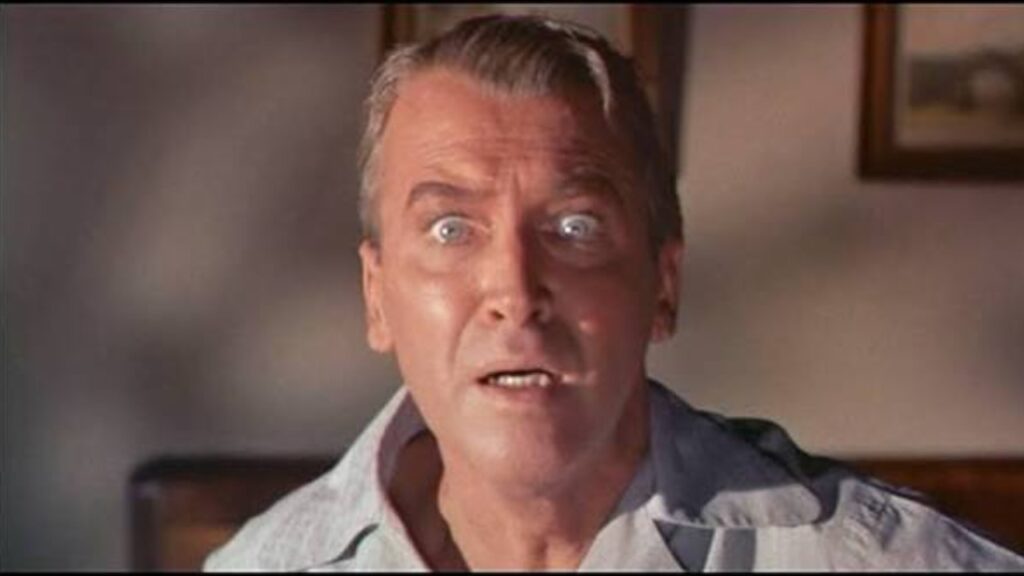
A lot of it came down to casting. Stewart was 49 when ‘Vertigo‘ was shot, playing opposite 24-year-old Kim Novak. Hitchcock later blamed the film’s limited success on Stewart looking too old to be a convincing love interest for his much younger co-star, according to his interview with François Truffaut. It’s a striking thing to admit, where Hitchcock basically held his own leading man’s age responsible for a film he otherwise considered one of his favorites.
In case you missed it: James Stewart’s Only Movie Shot Entirely in England Came With a Real-Life Medical Emergency
The fallout was swift, and it stung. According to a Collider retrospective on the pair’s partnership, the poor initial reception to ‘Vertigo‘ is what ultimately ended their collaboration, with Hitchcock pointing to Stewart’s age and appearance next to Novak as the reason the film missed. Instead of casting Stewart again, Hitchcock moved on to Cary Grant for his next picture, ‘North by Northwest‘, even though Stewart had wanted that role for himself. It was a quiet but unmistakable demotion, handed to a man who had helped make some of Hitchcock’s best work possible.
The tension wasn’t only about casting decisions made after the fact. It showed up on set too. Biographer Lawrence J. Quirk, drawing on recollections from actor Wendell Corey, reported that Hitchcock and Stewart would get into arguments during their years working together, which suggests friction that predated Vertigo’s release and wasn’t just a reaction to its failure.
The End of the Hitchcock-Stewart Collaboration
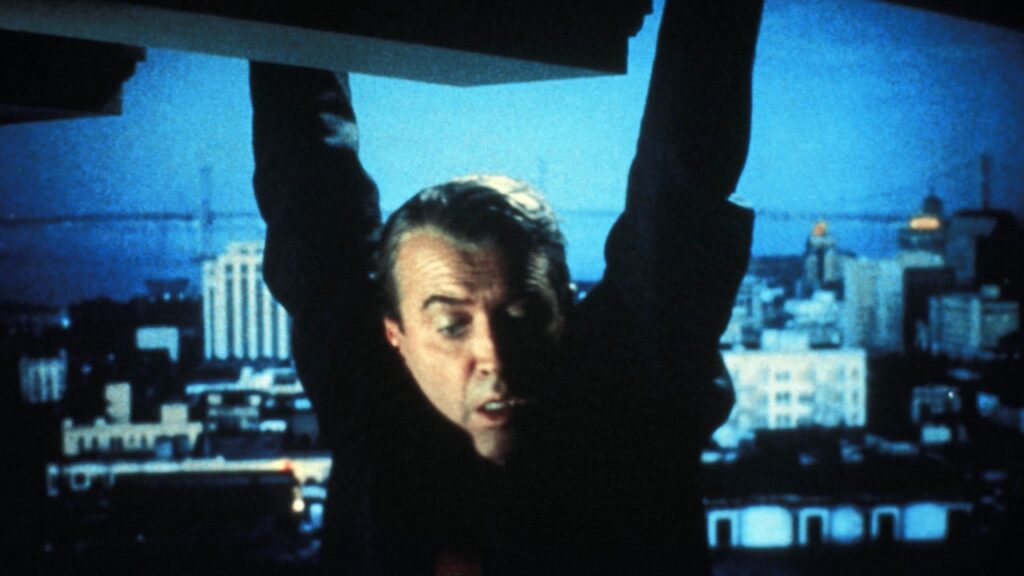
Still, Stewart’s own instincts during production show a man more interested in protecting Hitchcock’s vision than defending his own ego. When a controversial scene revealing the film’s central twist midway through the story became a point of dispute on set, associate producer Herbert Coleman thought cutting an earlier reveal was a mistake, while Hitchcock insisted on releasing the film his way. It was Stewart who stepped in as peacemaker. He told Coleman not to get so worked up over Hitchcock. He even said the picture wasn’t that important, a surprisingly modest thing for its star to say about a film he’d spent months living inside so intensely.
That the studio ended up siding with Hitchcock’s instinct, with Paramount’s Barney Balaban ordering the scene restored after Hitchcock had initially cut it, only shows how much creative control had shifted away from consensus and toward Hitchcock alone, with Stewart absorbing the arguments around him instead of adding to them.
Decades later, Vertigo’s reputation has been completely rehabilitated, and Stewart’s performance as the obsessive, unraveling Scottie Ferguson is now seen as one of the finest of his career. It was a real departure from the “aw-shucks” persona he built in films like ‘Mr. Smith Goes to Washington‘. But the film that cemented his legacy was also the one that quietly ended his working relationship with the director who knew how to use that legacy best. Hitchcock never directed Stewart again.
You might also want to read: When James Stewart Threatened One of America’s Most Notorious Mobsters