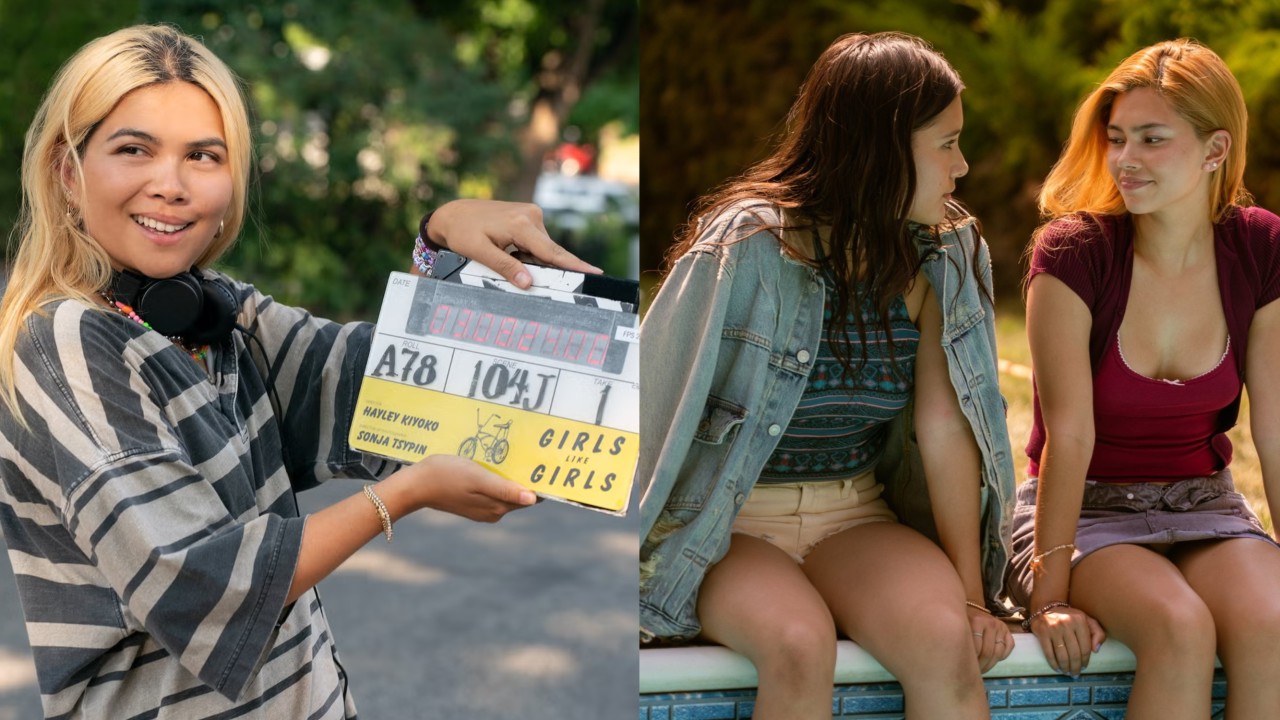
While ‘Girls Like Girls‘ marks a significant step in Hayley Kiyoko‘s career, the filmmaker also sees it as an opportunity to address a gap in Hollywood’s representation of queer stories. However, the production itself stands for much more than this; it serves as a testament to Kiyoko’s belief in the significance of queer representation within mainstream cinema.
Based on the story first introduced in Kiyoko’s viral music video, the film arrives at a time when conversations surrounding LGBTQ+ representation in Hollywood remain especially relevant. In various interviews, Kiyoko discussed the difficulties connected with queer romances in Hollywood and explained why some perspectives remain unexplored on screen.
Missing Representation Inspired Hayley Kiyoko’s Creativity
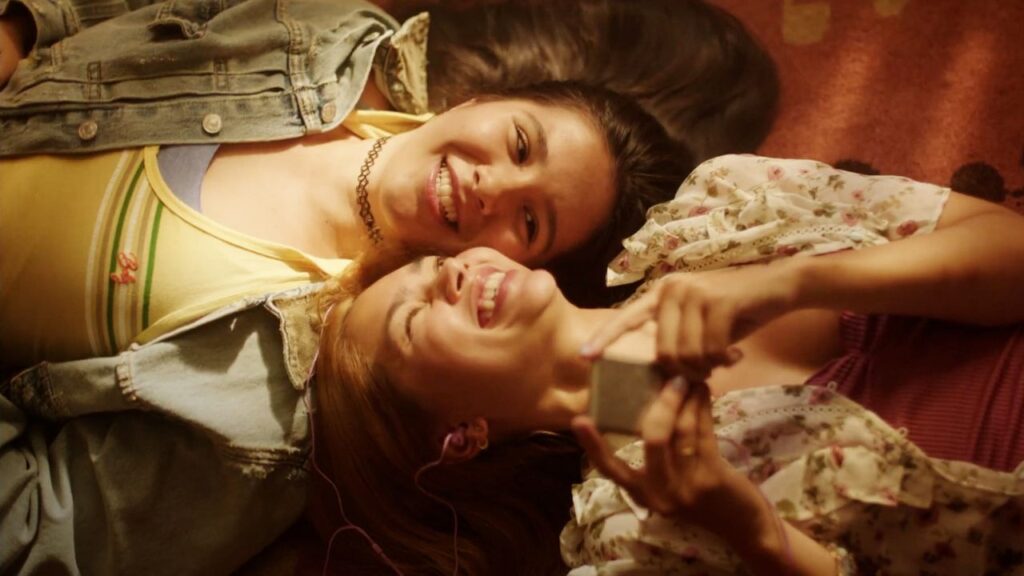
Commenting on the lack of queer stories within the industry, Kiyoko notes how difficult it is to name even a few movies featuring two girls falling in love on the big screen. She admits that there has been some improvement recently, but argues that such stories are presented less often than HTS romances.
Related: Top 10 LGBTQ+ TV Characters Who Transformed Representation
“Just trying to think of 10 movies that you’ve bought a ticket to where two girls fall in love, in theaters, it’s so rare to have that opportunity,” she said in a recent promotional interview.
This reality inspired Kiyoko to bring the story to the big screen. By adapting the narrative first introduced in her viral music video and later expanded into a bestselling novel, she hopes to offer audiences a heartfelt coming-of-age romance that centers queer characters.
Kiyoko understands the importance of LGBTQ+ representation on screen and believes that greater representation allows young people to see themselves reflected in and feel accepted by a broader community.
‘Girls Like Girls’ Sets Out To Expand Queer Representation

Additionally, Hayley Kiyoko states that her movie ‘Girls Like Girls‘ challenges traditional views and biases within the industry regarding queer stories. Having spent several years developing the movie, she finally had the opportunity to direct it to preserve its emotional authenticity.
Having worked on the story, Kiyoko does not want to limit the perspective and instead presents another story about the hard lives of two girls who experience discrimination.
In Case You Missed It: How ‘Schitt’s Creek’ Revolutionized LGBTQ+ Storytelling on Modern TV
Instead, she wants to tell a positive, inspiring story about a couple to show that people deserve stories like this. She believes that audiences deserve stories across the full spectrum of queer experience, not just those that involve hardship.
Through her film, Kiyoko wants to demonstrate that there is a demand for diverse stories and that queer romances deserve the same level of visibility and scale as other love stories. She hopes this movie will help the industry realize the need for a wider variety of LGBTQ+ stories on screen.
You Might Also Like To Read: 20 Best Shows That Honor Queer Voices