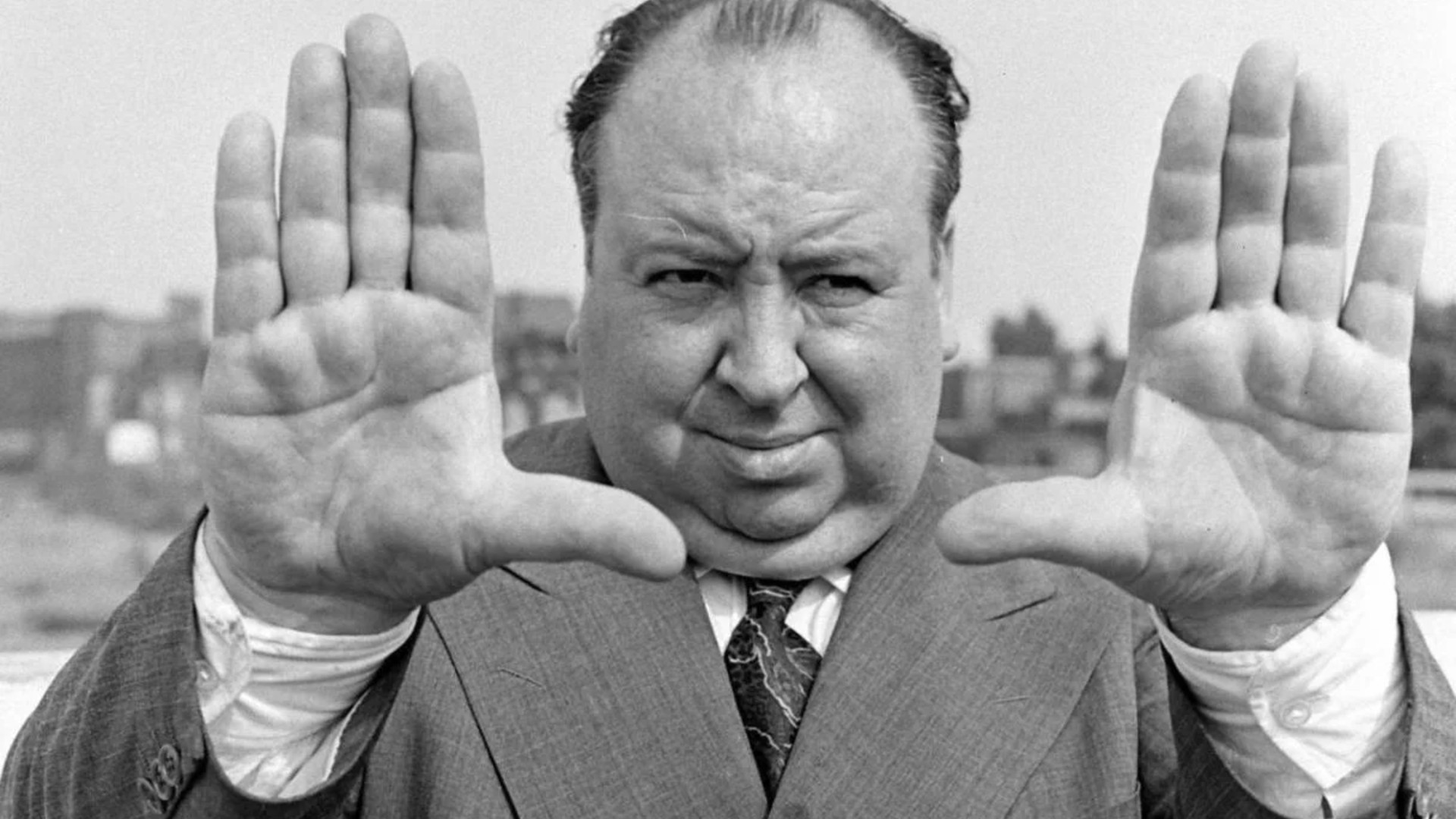
For the first twelve years of its existence, the Central Intelligence Agency was Hollywood’s most famous off-screen star. Its agents ran secret operations all over the world, but on movie screens, the agency was nowhere to be found. This careful hiding was not an accident. It was a clear policy that the movie industry went along with.
Then, in 1959, Alfred Hitchcock broke the spell with just one line of dialogue in ‘North by Northwest,’ and that one line changed forever how the public saw the CIA.
Why Hollywood Kept the CIA a Secret
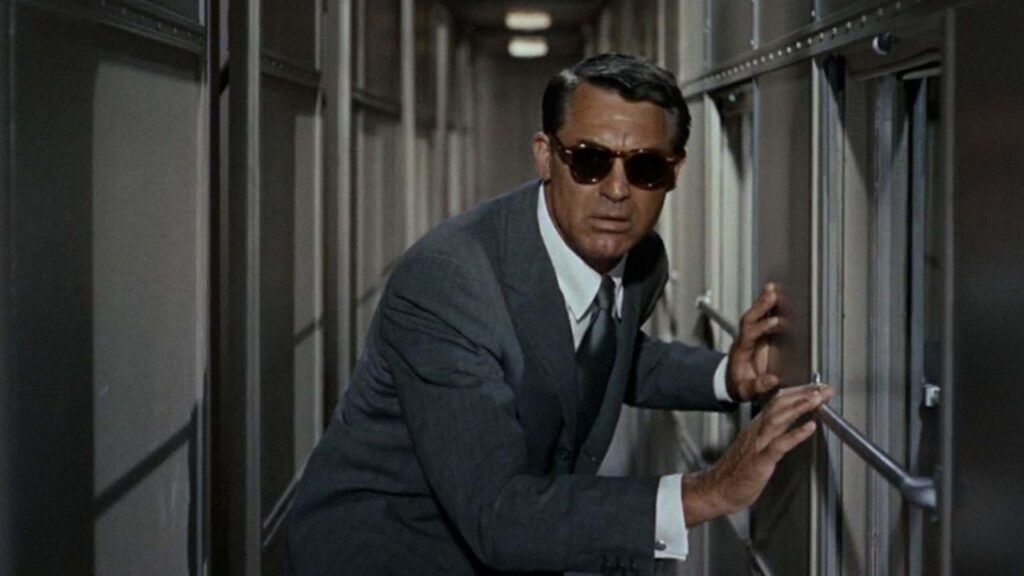
When the CIA was created in 1947, it entered a Hollywood system that was already used to working with the government. The Defense Department had been helping filmmakers since 1948, and the FBI had an office in Hollywood since the 1930s. Both sides benefited from this relationship. Studios got to use real equipment and film at actual locations. The government got to shape how it looked to the public.
Related: The Hollywood Clash That Ended Alfred Hitchcock’s Perfect Partnership with Cary Grant
But the CIA refused to join in. It believed its strength came from being invisible. As historian Simon Willmetts puts it, “during the early Cold War, Hollywood wouldn’t even mention the CIA.” The agency’s so-called “passion for anonymity” was protected by three strong forces. First, the CIA itself would not help filmmakers; second, strict libel laws made studios afraid to show real officials, and third, the Production Code Administration, which was Hollywood’s own censor group, worked to keep a “respectful image of the American government” on screen.
This meant television “producers were careful to avoid any implication that the US was conducting espionage operations on foreign soil.” This was true even while the CIA was actually carrying out coups and secret campaigns around the world. It was a great time for covert action, but a terrible time for seeing the CIA on screen. Scholars today find this absence very striking.
The Quiet American Controversy and Government Influence
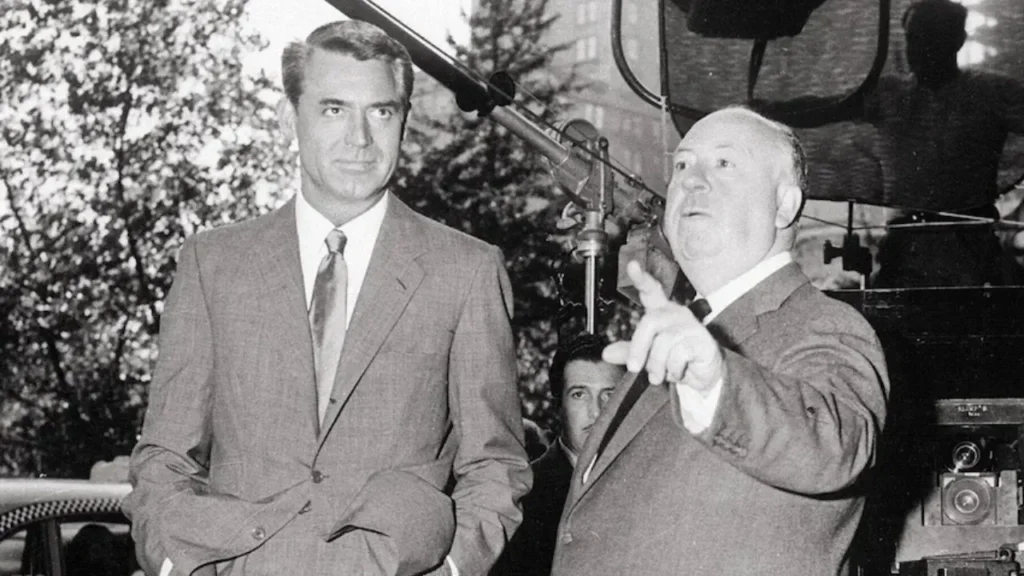
The system started to break down with the 1958 movie version of Graham Greene’s book ‘The Quiet American‘. Director Joseph L. Mankiewicz took Greene’s angry anti-war story and turned it into a pro-American piece of propaganda. Greene was so upset that he said the film was “a propaganda film for America.” Some people have argued that CIA officer Edward Lansdale personally got involved in the changes.
In case you missed it: Why Alfred Hitchcock Avoided Working With Marilyn Monroe Despite His Blonde Obsession
However, scholars now think Mankiewicz mainly made the changes to satisfy the Production Code Administration. Still, the controversy showed how uncomfortable it was to have the government influencing art.
How Alfred Hitchcock First Named the CIA on Screen
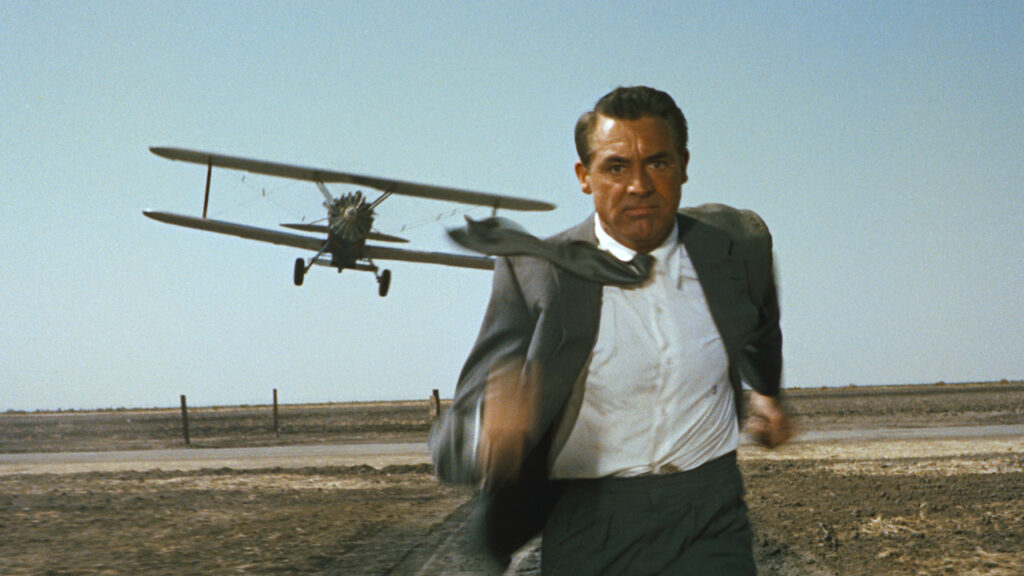
Just one year later, Alfred Hitchcock delivered the final hit. In ‘North by Northwest‘, Cary Grant plays Roger Thornhill, a man who is mistaken for a government agent and gets pulled into a world of spies he never wanted to join. In an important scene, the head of the intelligence agency, a character called “The Professor,” explains, “FBI. CIA. ONI. We’re all in the same alphabet soup.”
This was the very first time the CIA was clearly named in a major Hollywood movie. Hitchcock had reportedly bought the main idea for the film from a journalist. He was not trying to make a political point; he just wanted to create suspense. But his casual reference broke the spell of the invisible agency. Film websites note that the Leo G. Carroll character was possibly based on real CIA figures, which gave the moment even more meaning.
It is ironic that Hitchcock accidentally exposed the CIA just as public trust was starting to fade. The failed Bay of Pigs invasion in 1961 soon put the agency under the spotlight. By the 1970s, the CIA had changed on screen from an unseen protector to a villain in dark films like ‘Three Days of the Condor‘ and ‘The Parallax View‘. The agency finally set up an Entertainment Liaison Office in 1996, embracing the relationship it had once turned away from.
It took the Master of Suspense to end the CIA’s Hollywood secrecy. Hitchcock was a master of secrets himself. He understood that the most powerful way to reveal a secret is to show it on screen and let the audience trust what they see.
You might also want to read: The Surprising Accident That Turned Alfred Hitchcock Into Hollywood’s Master of Suspense