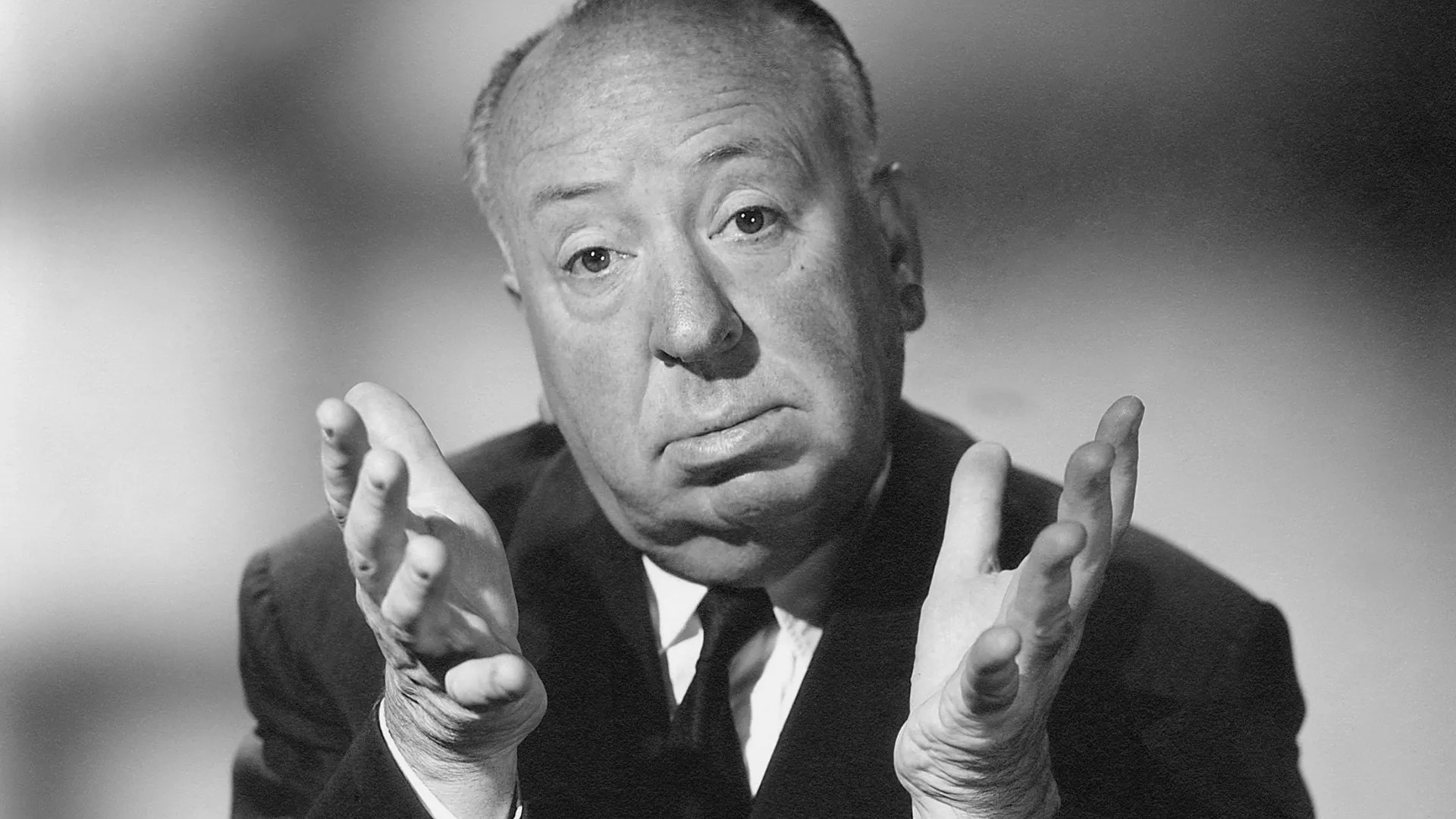
Back in the days when cinema was just being born, there wasn’t such a thing as a community of archivists or preservationists. Filmmakers raced to expand the technical possibilities of cinematography while never imagining that their work would become invaluable to future generations. Therefore, studios discarded thousands of silent films or left them to deteriorate in vaults for years. But the unexpected discovery of a nitrate film shot by Alfred Hitchcock, ‘The White Shadow,’ rewrote the history of one of cinema’s greatest geniuses.
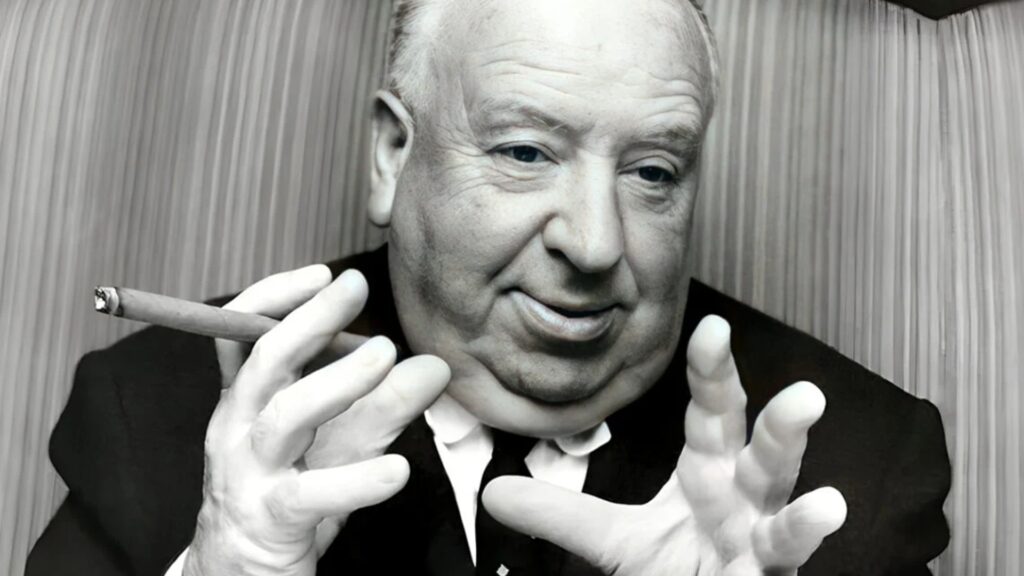
It’s quite rare for an investigator to discover something completely new about a legendary figure, turning all our knowledge upside down. And before the director of ‘Psycho‘ and ‘Vertigo‘ got to the point when he had started making films worthy of attention and appreciation of audiences worldwide, the young man had been struggling in his way up the ladder, taking up all jobs in the British film industry as a technician. It’s fair to say that the discovery of a mislabeled film copy turned out to be a key that revealed the crucial missing link in Hitchcock’s career path.
Hidden Treasure In The Vaults Of New Zealand Film Archive
This great achievement took place in 2011 on the premises of the New Zealand Film Archive, whose extensive collection of unidentified nitrate prints remained untouched due to a lack of funds.
The situation improved when the National Film Preservation Foundation provided the resources needed to clear this backlog. One day, archivist Leslie Lewis discovered nitrate canisters marked with a misleading title: ‘Twin Sisters.’
Related: Steven Spielberg Borrowed Alfred Hitchcock’s Greatest Trick to Save ‘Jaws’
Examining the reels, the researcher discovered unusual elements that contradicted the typical silent film plotline. During the research, the woman carefully matched contemporaneous newspaper articles and scripts.
Finally, it became clear that what Lewis had been working on was none other than Hitchcock’s first film, ‘The White Shadow,’ from 1923, which featured the young director’s first significant contribution.
Reconstructing Alfred Hitchcock’s ‘The White Shadow’
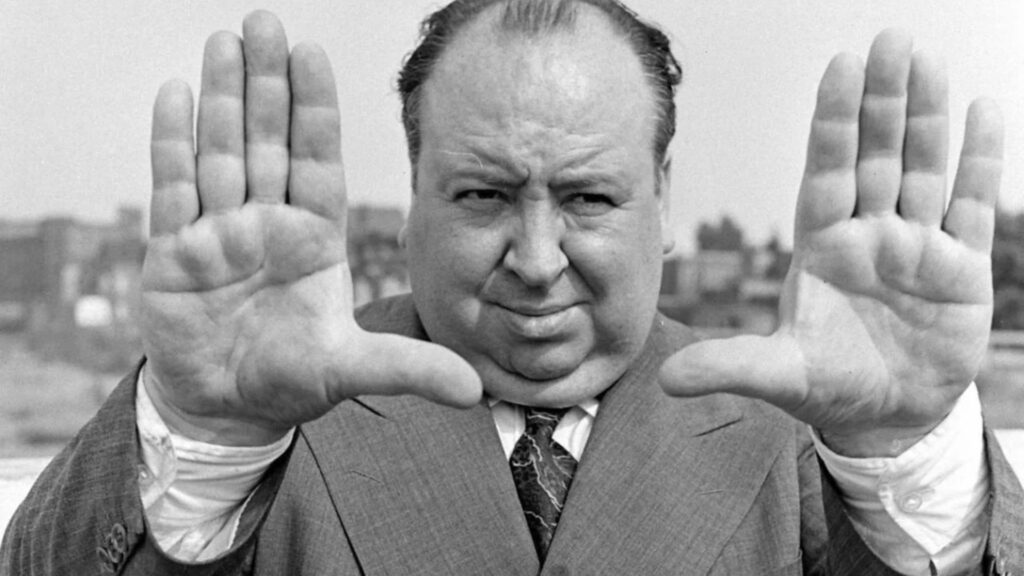
Reconstructing the film was quite challenging, as it required extensive detective work. After further examination of the canisters, the researcher located the last unknown film reels from the same production.
Identifying the footage, the archivist immediately recognized that these were the same characters and sets as those found earlier and was able to join approximately 30 minutes of the movie together.
In Case You Missed It: The Childhood Trauma That Sent Alfred Hitchcock Back to London for His Final Great Movie
“We pulled a bunch of reels from the nitrate vaults, and I just started going through them. The White Shadow was initially labeled Twin Sisters. I realized that this was most likely a film that Hitchcock worked on. I went to the archive the next day and used their research library to pull out some contemporary reviews and summaries, and confirmed it was The White Shadow,” Lewis expressed via the Los Angeles Times.
Even though the great master had not yet completed his own work at that time—Graham Cutts directed the film, while Hitchcock served as assistant director, art director, and writer—the project still played a pivotal role in the future director’s career.
According to the reviews of that period, Cutts got quite jealous of his young subordinate, who could control the whole process so easily. Indeed, just two years after ‘The White Shadow,’ Alfred Hitchcock sat in the director’s chair.
You Might Also Like To Read: “$1,000 For Every Sting”: Tony Todd Reveals The Real Price Of His Infamous ‘Candyman’ Bee Scene