
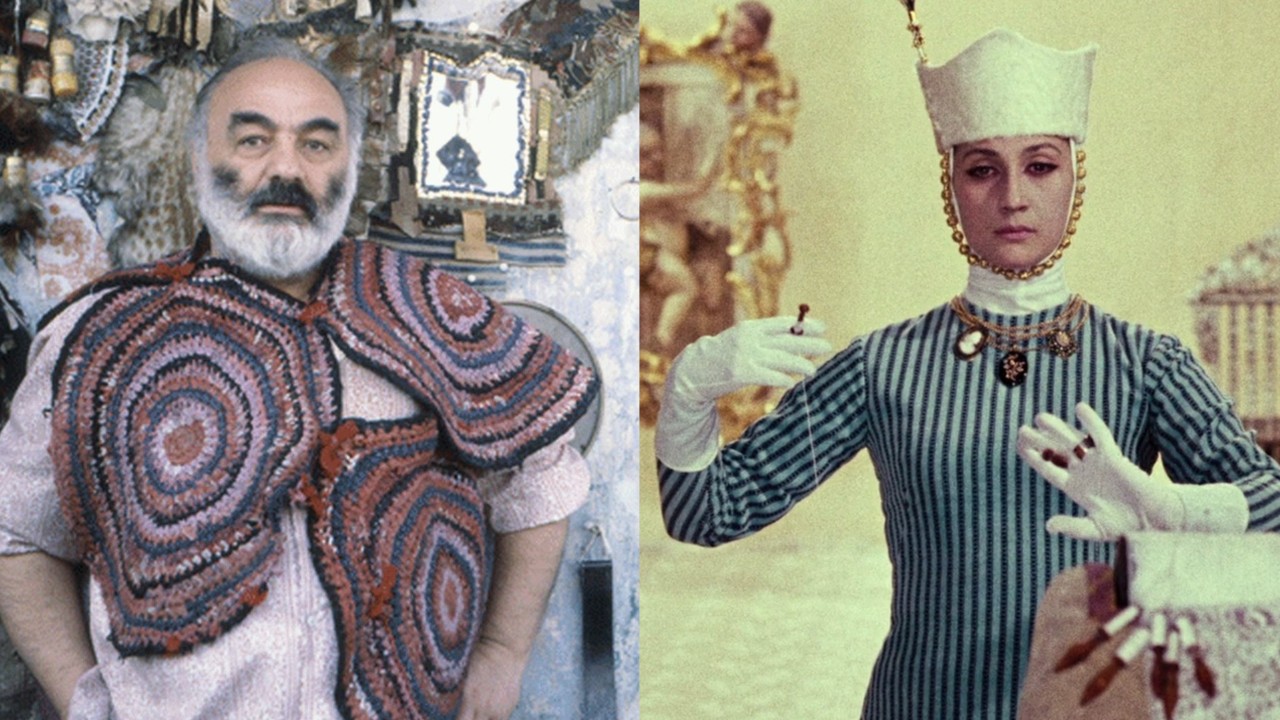
The mid-20th-century state-sponsored film industry of the Soviet Union required total devotion to Socialist Realism and complete obedience to the requirement that cinema serve as a politically compliant medium for celebrating the state’s achievements and glorifying the proletariat. To defy the linear structure of such a story was risky; to reject it altogether was nothing less than political warfare. However, in 1969, Armenian filmmaker Sergei Parajanov challenged all conventions and created something truly groundbreaking with his ‘The Color of Pomegranates.’
By removing traditional cinematic devices such as dialogue, camera movement, and psychological acting, Parajanov created a visual language unprecedented in its scope, grounded in the principles of cultural memory and religious mysticism. ‘The Color of Pomegranates‘ became a great success of poetic resistance, proving that no oppressive bureaucratic machine can withstand an artist’s vision.
The Plot As A Spiritual Journey
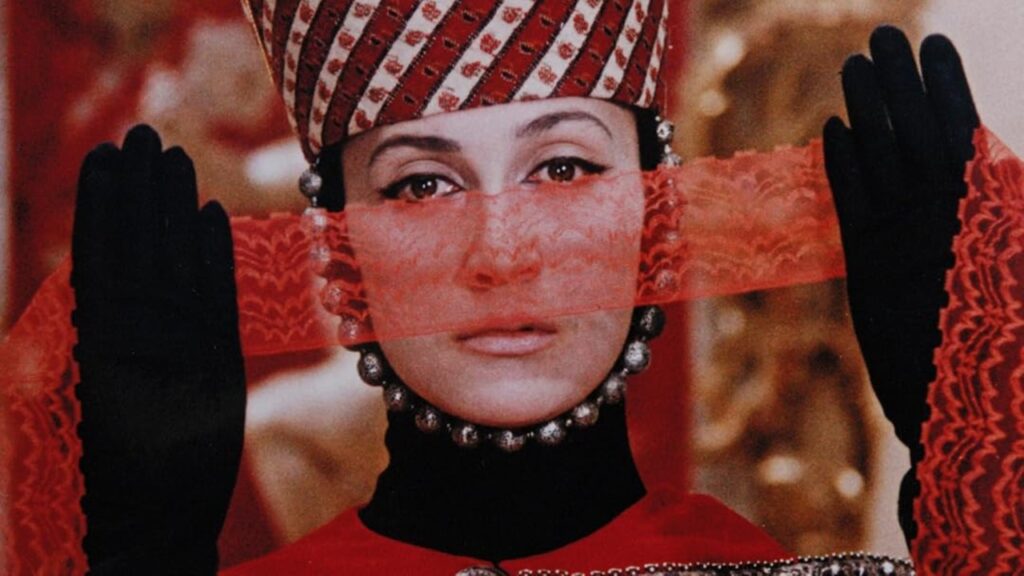
This film was not only challenging but totally confusing and terrifying to the Soviet authorities. It revealed the tremendous ideological gap between the Soviet state’s obsession with the literal truth and a visionary artist’s dedication to abstract liberation of the human soul.
Instead of presenting a typical chronological account of a person’s life, ‘The Color of Pomegranates‘ presents the inner journey and evolution of the renowned 18th-century Armenian troubadour and poet Sayat-Nova.
Director Sergei Parajanov masterfully divides the film’s non-linear plot into several breathtaking episodes that mirror the poet’s life journey—from an impressionable childhood and passionate youth to a middle-aged monastic seclusion and a final symbolic death.
Related: 10 Classic Films That Secretly Outsmarted Hays Code Censorship
Throughout the film, different actors step into the protagonist’s shoes, most prominently the brilliant Sofiko Chiaureli, who shatters traditional gender boundaries by portraying six distinct roles—including both the young poet and his elusive muse.
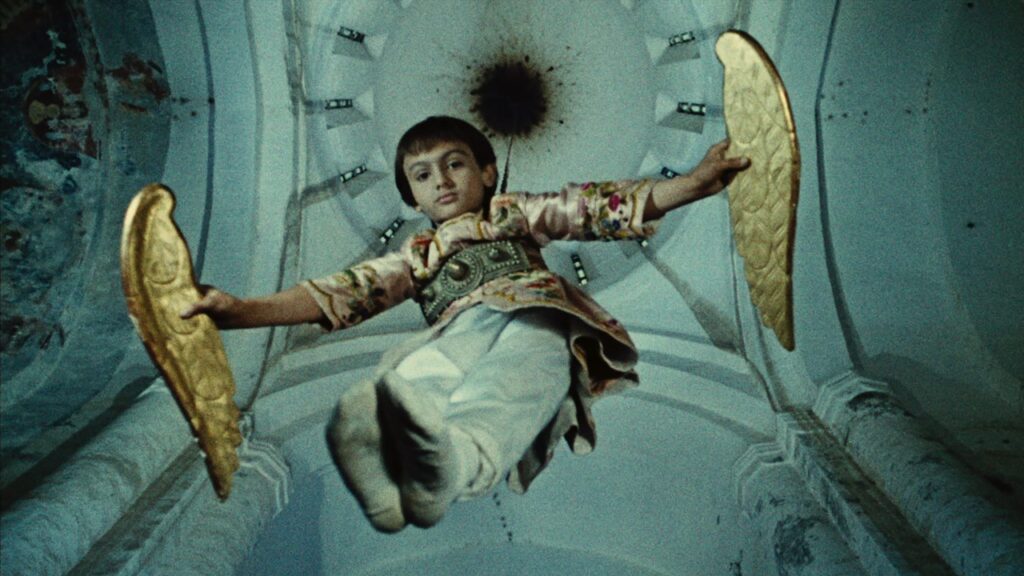
The entire action in the film unfolds through static, beautifully composed scenes, serving as living miniatures of medieval times or living religious icons.
The Retaliation Of The State Against Sergei Parajanov
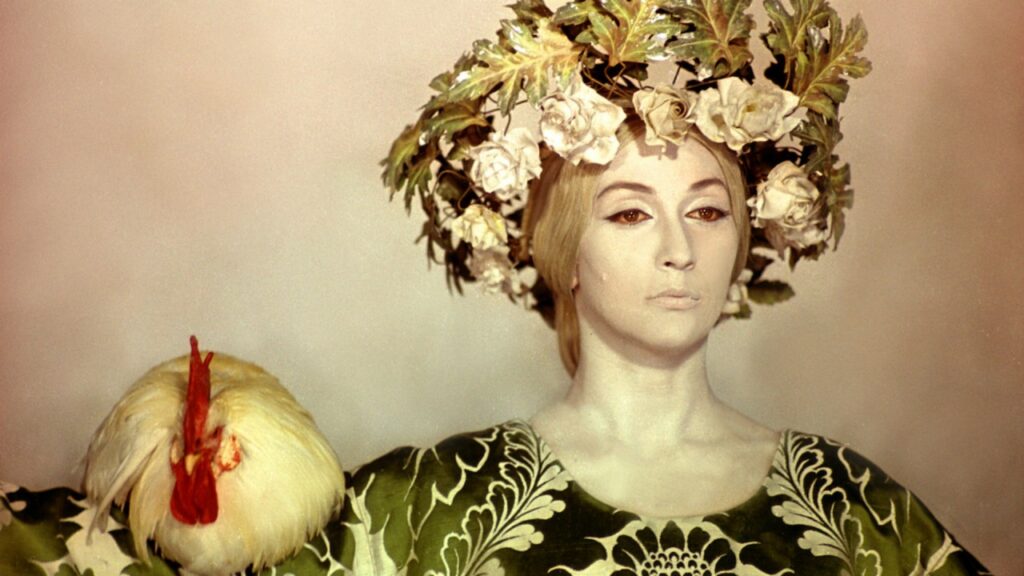
Rather than transmitting meaning through dialogue, the film relies on a complex interplay of symbolic motifs. Bleeding pomegranates stain white cloth to broadcast the suffering and resilience of the Armenian people.
Ancient manuscripts dry in the wind atop a monastery roof; bare feet crush grapes; and sacrificial lambs await their fate. With this unusual approach, Parajanov succeeded in capturing the vivid essence of Sayat-Nova’s poetry, from its grief to its romance.
In Case You Missed It: 15 Must-Watch Pyschological Thriller Movies By Alfred Hitchcock, Ranked
The Soviet state’s response to the film’s uncompromising surrealism was swift and harsh. Completely shocked by its religious themes, its strong celebration of Armenian national identity, and its refusal to adhere to state-sponsored aesthetics, Goskino, the Soviet film committee, heavily censored the movie, stripping it of its original title, forcing extensive re-editing, and limiting its distribution.
Parajanov’s uncompromising attitude transformed him into a prime target for the regime. In 1973, Soviet authorities arrested and convicted the director on trumped-up charges of being queer, sentencing him to five years of hard labor in a Siberian gulag.
An Enduring Cultural Legacy Made By ‘The Color of Pomegranates’
In response, world-famous filmmakers such as Jean-Luc Godard, Federico Fellini, and Andrei Tarkovsky sparked a wave of international protests.
However, despite the government’s active efforts to suppress and erase it from history, it became one of the most influential films in cinema.
Parajanov’s unique use of hyper-stylized visual motifs, flattened perspective, and cultural symbolism permanently expanded the boundaries of artistic expression, leaving an enduring legacy for future generations of visionary directors, music video creators, and fashion designers.
Decades after the fall of the regime that tried to destroy it, ‘The Color of Pomegranates‘ remains a great sovereign monument of pure cinematic poetry.
You Might Also Like To Read: 25 Classic Movies That Should Be On Every Cinephile’s Watchlist