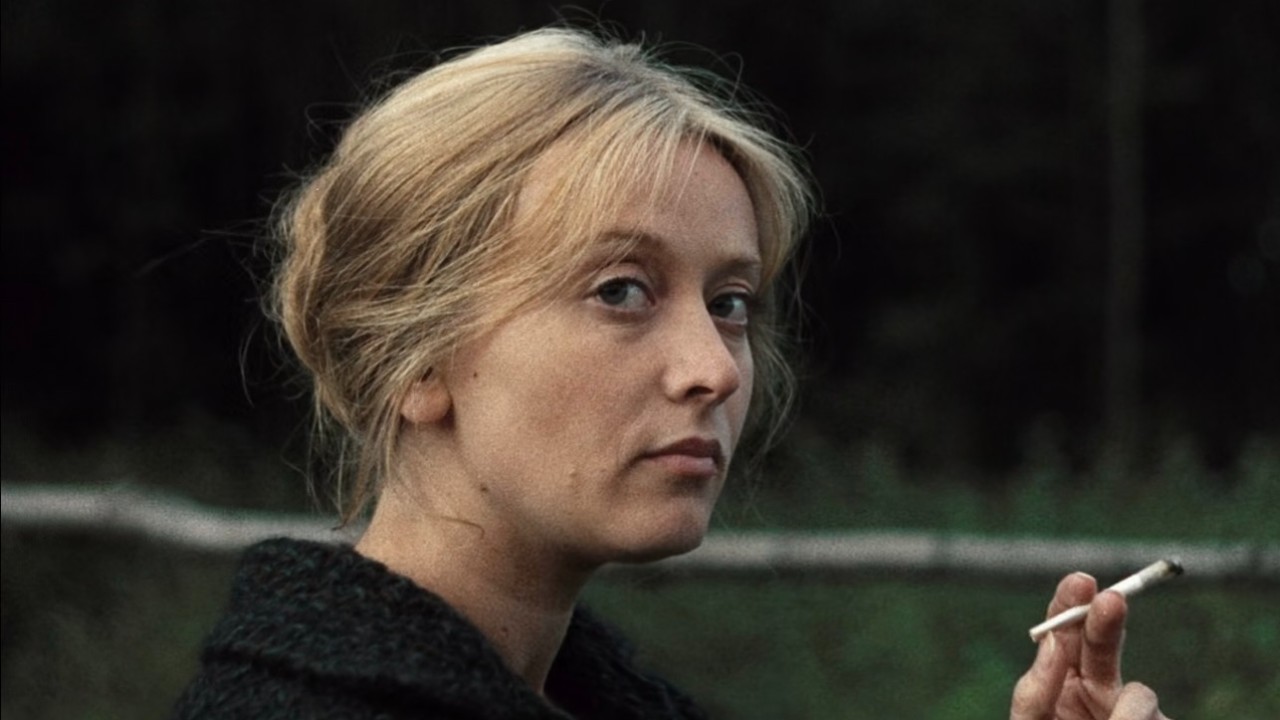
For Soviet maestro Andrei Tarkovsky, the art of creating films was an instrument of spiritual excavation. In his 1975 masterpiece ‘Mirror,’ Tarkovsky abandoned conventional rules of narration altogether to create a deeply personal, hypnotic collage of memories, historical traumas, and unresolved grief. The movie became a unique stream-of-consciousness confession that translates the director’s personal tragedy—the abandonment by his father, the difficulties of World War II, and the complicated relations with his mother—into a philosophical contemplation of human consciousness and Soviet history.
By treating time as a fluid rather than a linear concept, Tarkovsky created a new language of cinema that does not feel like watching a movie but rather like remembering someone else’s life. ‘Mirror‘ became one of the key works of slow cinema, in which the camera’s deliberate movement makes every image resonate with great psychological depth. It is a product of great vulnerability, as it shows how a person may assemble his or her broken parts into a flawless reflection of his/her soul.
‘Mirror’ Is A Dreamscape Of Memory
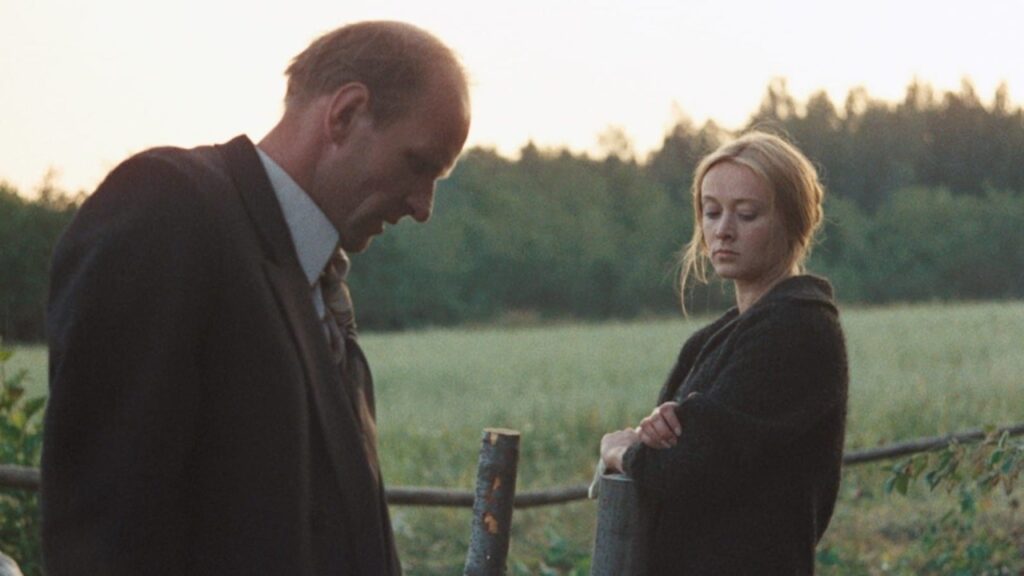
The film unfolds through an inherently nonlinear plot, structuring its narrative around the thoughts of the dying protagonist, Alexei.
During his dying, we see three different periods of his life: his childhood in the Russian countryside prior to World War II, his adulthood in the 1970s when his marriage fails, and the historical newsreel shots that capture great collective traumas of the twentieth century, such as the Spanish Civil War and the crossing of Lake Sivash by the Soviet Red Army.
Related: 25 Classic Movies That Should Be On Every Cinephile’s Watchlist
To emphasize the main character’s psychological disorientation, Tarkovsky deliberately casts the brilliant actress Margarita Terekhova as two female characters in the story: Alexei’s mother, Maria, in his childhood, and Alexei’s estranged wife, Natalia, in his adulthood.
It is important to note that this approach to casting stems from the narrator’s profound fear that he will make the same mistakes with his wife as his parents did.
The Elemental Symbols Of Unresolved Grief
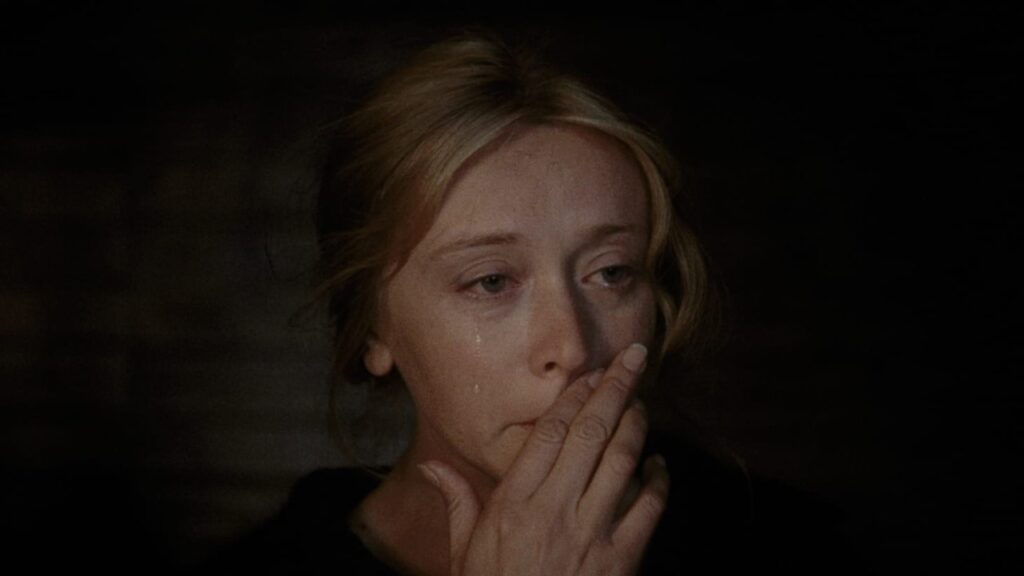
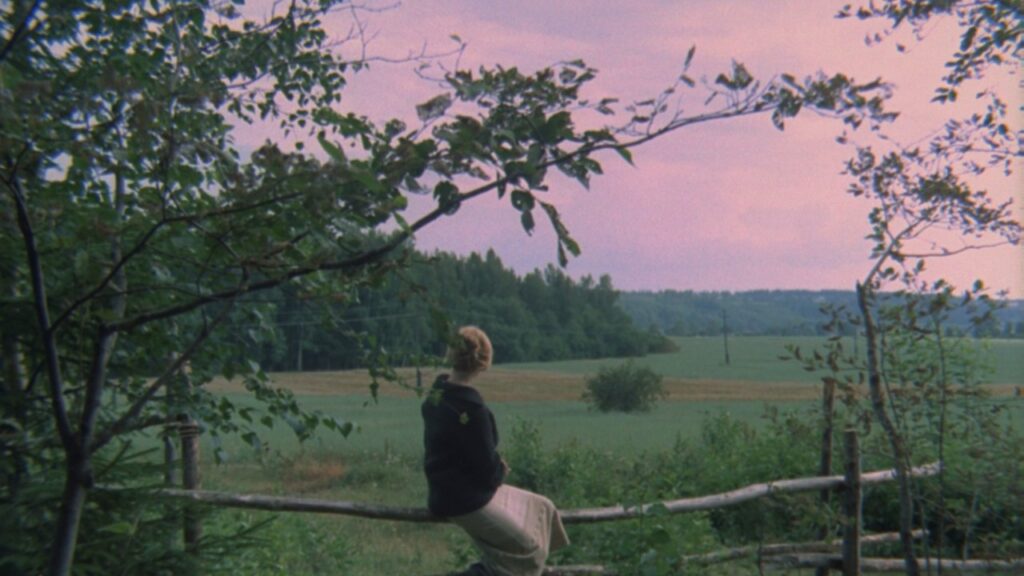
Throughout the movie, there are lots of striking images: a burning barn under the pouring rain, a wind that moves the field of rye, and a flying woman above her bed.
Alongside these striking visuals, Arseny Tarkovsky—the director’s own father—narrates the film with readings of his own poetry. Such an element helps the movie feel more real and shows the author’s sincere desire for reconciliation with reality.
In Case You Missed It: How An Unidentified Print Solved A Major Alfred Hitchcock Cinematic Mystery
It should be noted that Mirror received fierce criticism from Soviet authorities right after it was completed. The state film committee Goskino condemned the film for its “elitism” and total inaccessibility to the average worker, as it lacks elements of collectivism and realism required by the state.
The distributor relegated the movie to a low-tier category, limiting its release to select theaters and bypassing major international film festivals like Cannes.
Defying The State To Validate The Soul
Nevertheless, thanks to the director’s determined efforts, the movie found its audience through underground screenings and positive reviews.
Thus, Andrei Tarkovsky’s courage turned Mirror into one of the most influential arthouse films. Its innovative use of textured, slow-paced images and its profound concern with the processes of memory opened new perspectives for future visionary filmmakers.
By not adapting his story to the state’s requirements, Tarkovsky created a monument to artistic freedom—the film that shows us a mirror in which we see ourselves rather than the literal world.
You Might Also Like To Read: How Sergei Parajanov Defied Soviet Censorship With His 1969 Masterpiece