When the master of suspense Alfred Hitchcock released his murder mystery film, ‘Stage Fright,’ in 1950, all the elements of a classic suspense movie were expected from it. From the ticking clock to the false accusation, an elegant blonde was threatened with danger.
However, the legendary filmmaker did something utterly unthinkable. He used the camera as a tool to commit the greatest artistic theft of all time and destroyed the invisible contract between filmmakers and viewers that had existed since the inception of silent cinema.
The Anatomy Of The Fraudulent Flashback
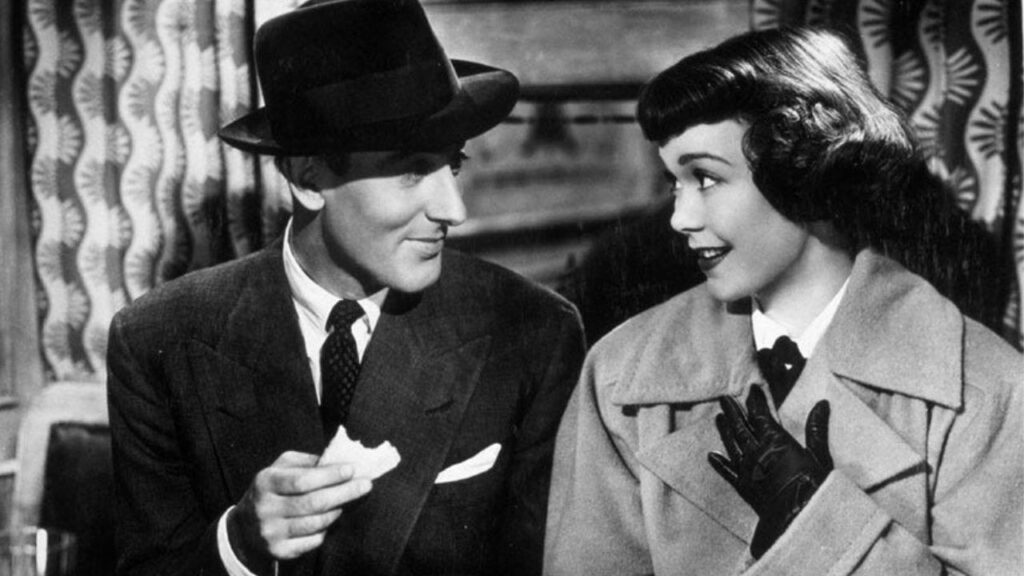
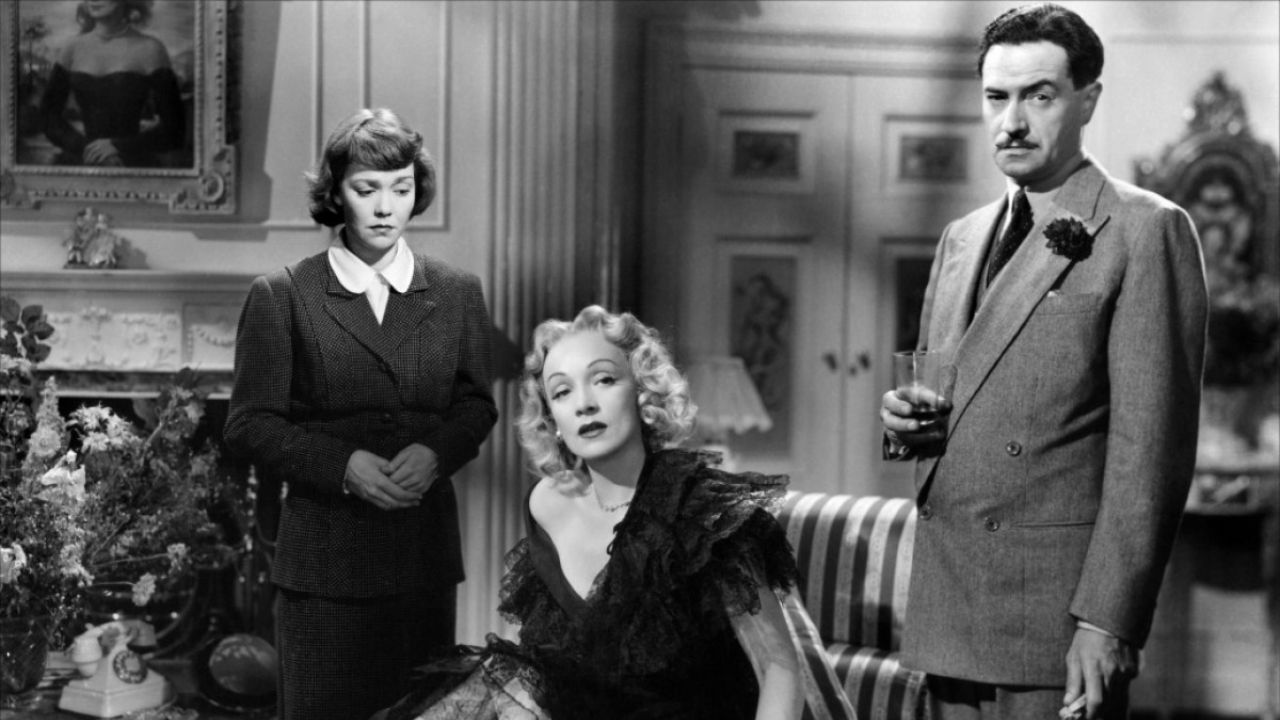
The fatal betrayal takes place during the first five minutes of the film. Johnny Cooper (Richard Todd) is running away from the police, desperately trying to find refuge in the car of his drama-student girlfriend, Eve Gill (Jane Wyman).
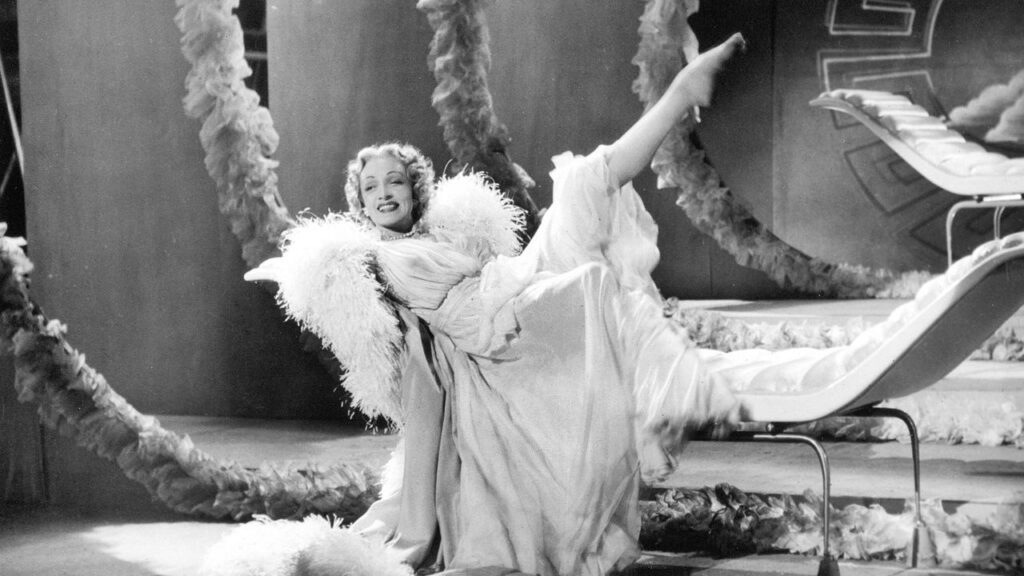
In the middle of their escape, Johnny begins telling Eve his version of events, introducing the film into a long, detailed flashback sequence. The viewers see the crime scene recreated by Hitchcock: Johnny arrives at the house of his glamorous lover, Charlotte Inwood (Marlene Dietrich), where she lies dead next to the body of her husband.
Related: Alfred Hitchcock Fired His Greatest Collaborator Over One Major Disagreement
For many decades, moviegoers had an unspoken assumption about the nature of films: characters could lie in their speeches, but the camera always told the truth. Flashbacks were considered historical facts—absolute truths about the past.
However, Hitchcock betrayed the audience’s psychological trust. At the end of the film, it is revealed that Johnny’s opening flashback was entirely fictitious and deliberately fabricated to make the woman believe in it. For ten minutes, the camera had lied to the audience, showing fiction as reality.
The reaction to the new narrative technique was immediate. Viewers felt cheated instead of being cleverly fooled while prominent critics of the time, such as the influential Bosley Crowther from The New York Times, harshly criticized the filmmaker for the use of cheap tricks.
Stage Fright became a box-office flop, becoming one of Hitchcock’s least successful mid-career films. Even the author of the movie later confessed to his mistake by explaining it in detail in his book-length interview with François Truffaut.
A Radically Ahead-of-Time Experiment in Perspective
Nevertheless, looking back from today, it becomes obvious how revolutionary and radically ahead of its time this experiment was. Breaking the golden rule of cinematic storytelling, Hitchcock managed to lay the foundation for the future fascination with unreliable narrators.
By daring to show a lie through the celluloid lens, the filmmaker showed that the moving image can be as deceitful, manipulative, and psychologically complicated as human speech is.
In other words, Hitchcock completely undermined the audience’s comfortable perception of reality, making them doubt the very validity of what they are seeing on the screen.
In case you missed it: The Bizarre True Story Of The Seaside Town That Inspired Alfred Hitchcock’s ‘The Birds’
It is this daring visual betrayal that allowed for the creation of the complex and labyrinthine stories we admire today. Great films such as The Usual Suspects (1995) by Bryan Singer and Memento (2000) by Christopher Nolan would not have existed without breaking the golden rule of 1950.
The latter film becomes possible only due to the same cinematic technique used in Stage Fright. The success of Kevin Spacey’s famous “Keyser Söze” monologue lies precisely in the fact that it uses it: a beautiful cinematic lie is used to hide a terrible truth.
Thus, Stage Fright can be called a truly remarkable and brilliant monument to the rules of art. Initially perceived as a frustrating and immoral failure, it becomes an important document for pop culture detectives studying the evolution of film language.
Despite the fact that Hitchcock broke the rules of Hollywood, he proved that they are there to be broken. It took the world half a century to recognize his genius.
You might also like to read: Jenna Ortega vs. Christina Ricci: Comparing The Best Wednesday Addams