In the late 1940’s and the early 1950’s, America was engulfed in propaganda. The former allies of WWII became the enemies of the Cold War. The Soviet Union was cracking down on Eastern Europe, and fears of communist spies were being stoked across the United States. People were concerned about communist spies within attorneys’ offices, unions, and even Hollywood. The House Un-American Activities Committee began summoning Hollywood execs, demanding loyalty oaths and names. Film studios, eager to appear patriotic and avoid backlash, began flooding theaters with low-budget thrillers about spies, secrets, and familial betrayal.
These films were blatant. They used dark visuals, fears of nuclear annihilation, and hyperpatriotism to create a chilling atmosphere. While many critics did not like these films and the public hysteria they created, they did make people consider the possibility of the enemy being near. These films made the public fear those around them, the ones with dissenting opinions. Below are ten films that reflect the period, the hysteria, and the fear.
10. Pickup on South Street (1953)
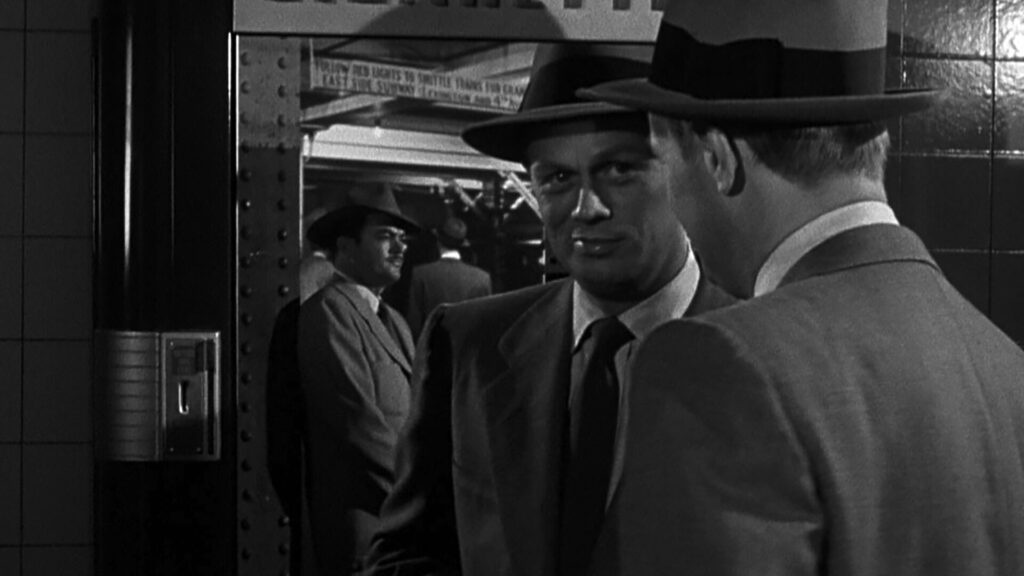
Samuel Fuller gave this New York crime story a much harsher edge. A pickpocket named Skip McCoy, played by Richard Widmark, steals a wallet and does not know it carries microfilm meant for communist spies. Very quickly, others get dragged in, including an older informer played by Thelma Ritter and a woman who carried the film without knowing it, played by Jean Peters.
Related: 10 Bold New Wave Films We Believe Exposed Society’s Darkest Realities
The people chasing the microfilm are brutal and show no mercy. They beat and threaten anyone who gets in their way. Even the police and officials do not seem very reliable or heroic. The film looks rough and dark, with shadowy subway scenes and sudden violence.
It shows how fear of communism had spread into everyday life. Spy activity was no longer far away. It could be hidden in something as ordinary as a wallet. Fuller said he did not care much about politics, but the film still made people uneasy and more watchful.
9. Big Jim McLain (1952)
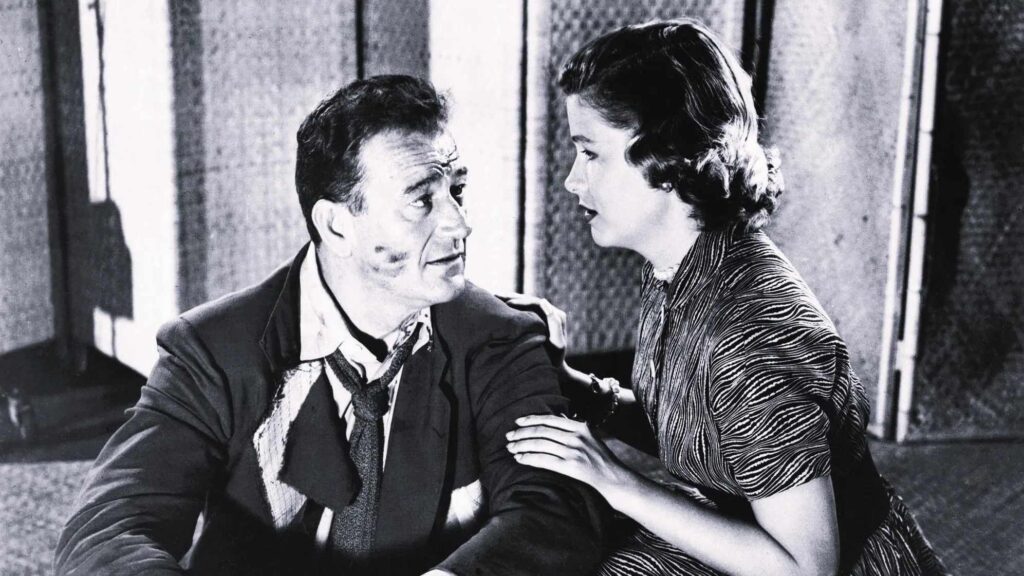
John Wayne acts in the film as a tough investigator sent to Hawaii to break up a communist group. With James Arness at his side, he throws punches before asking many questions and also starts a romance with a woman played by Nancy Olson.
The film mixes bright views of Hawaii with fights on the docks and secret meetings where plans against America are made. Wayne, who was strongly against communism in real life, brings that attitude into his role. His character stands for the idea of a tough, loyal American taking on hidden enemies.
Critics did not like the over-the-top acting, but many viewers enjoyed the energy and confidence. It showed that Red Scare stories could draw crowds when they were packed with action and bold patriotism.
8. My Son John (1952)
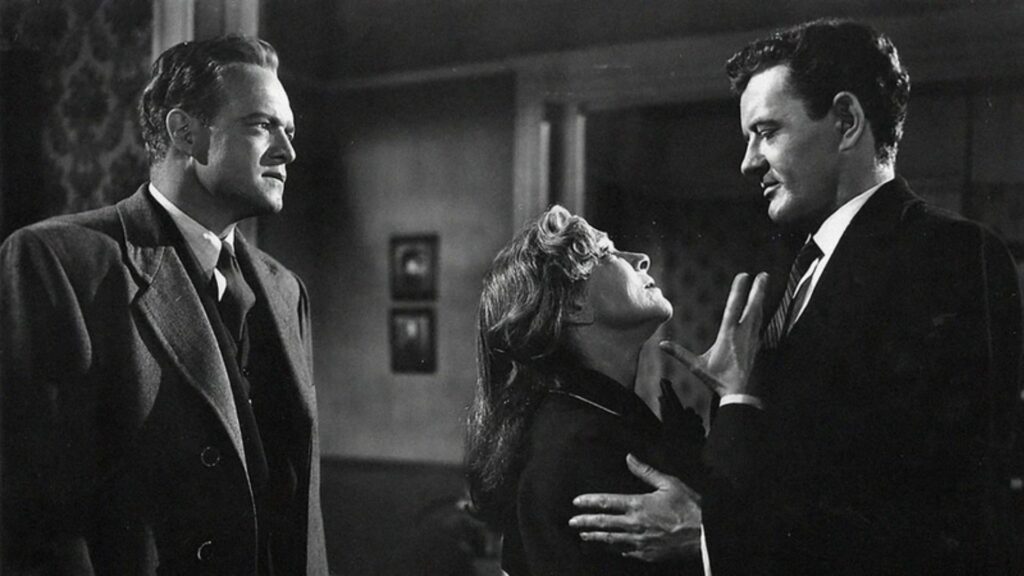
Leo McCarey made this story about fear inside a family. Helen Hayes plays a religious mother who begins to doubt her own son, John, played by Robert Walker. He works for the State Department, avoids church, talks about Marx, and keeps secrets about the people he knows.
An FBI agent, played by Van Heflin, tells her the truth that John is a communist spy. Dean Jagger plays the father, who cannot accept what is happening. The family falls apart as trust turns into suspicion.
The film pushes its message hard. It treats lack of faith as a sign of betrayal and turns a mother’s love into something tied to loyalty. Many people at the time felt it went too far, but it shows how fear of communism reached into ordinary homes.
7. I Was a Communist for the FBI (1951)
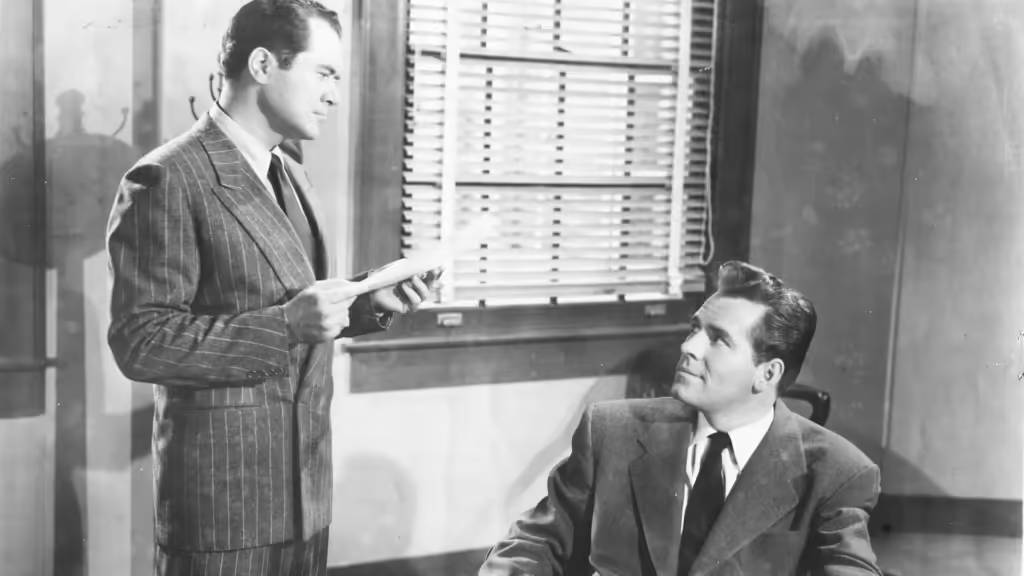
Gordon Douglas came back with a tough crime story based on the real life of undercover agent Matt Cvetic, played by Frank Lovejoy. For years, Cvetic pretends to be a steelworker in Pittsburgh and works his way up inside the Communist Party, all while secretly passing information to the FBI. At the same time, his own family believes he has betrayed his country. Dorothy Hart plays a schoolteacher who starts to lose faith in the cause, and Cvetic tries to pull her away from it. The film shows party leaders living well while planning strikes and unrest.
Lovejoy plays the role with a sense of strain and worry. His character lives in constant fear, facing violence and having to stay cut off from normal life. The story leans hard into that tension and was promoted as a shocking true account, turning a real case into a tense and uneasy film.
6. The Red Menace (1949)
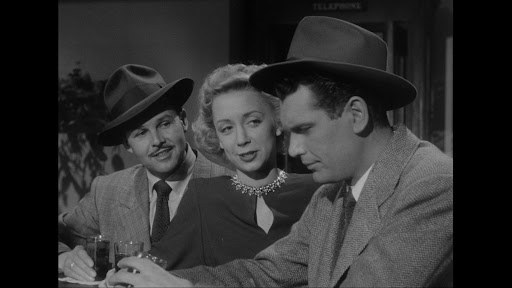
R.G. Springsteen made this low-budget film quickly and with a lot of punch. Bill Jones, a World War II veteran played by Robert Rockwell, comes home feeling lost and disappointed. He is drawn into the Communist Party by smooth recruiters who promise fairness and a better life. A party thinker, played by Betty Lou Gerson, pulls him in deeper. Before long, Jones starts to see what is really going on. There are purges, violence, and pressure to turn against his own country. He breaks away and turns back with a strong show of loyalty.
In case you missed it: 10 Best Movies About Nuclear War We Think Everyone Should Watch
The film is shot in simple black and white and keeps its message clear. It warns that even decent people can be pulled in if they are not careful. Its direct style helped set the pattern for many similar films that followed.
5. The Woman on Pier 13 (1949)
Also released as ‘I Married a Communist‘, Robert Stevenson’s film sets its story on the San Francisco waterfront. Robert Ryan plays Brad Collins, a shipping executive with a past he tried to leave behind. He used to be part of the Communist Party, and now his former lover, played by Janis Carter, and a party leader played by Thomas Gomez, use that past to trap him. They force him to interfere with union talks or risk losing everything, including his new wife, played by Laraine Day.
The film opens with a harsh killing on the docks, making it clear how far these people will go. They do not argue or persuade; they silence anyone who gets in the way. Much of the story unfolds along dark, foggy piers as Collins and his wife try to stay ahead of the danger.
Some critics thought the film pushed too hard, but it captured a common fear of the time. A single mistake from the past could come back and control your whole life.
4. Conspirator (1949)
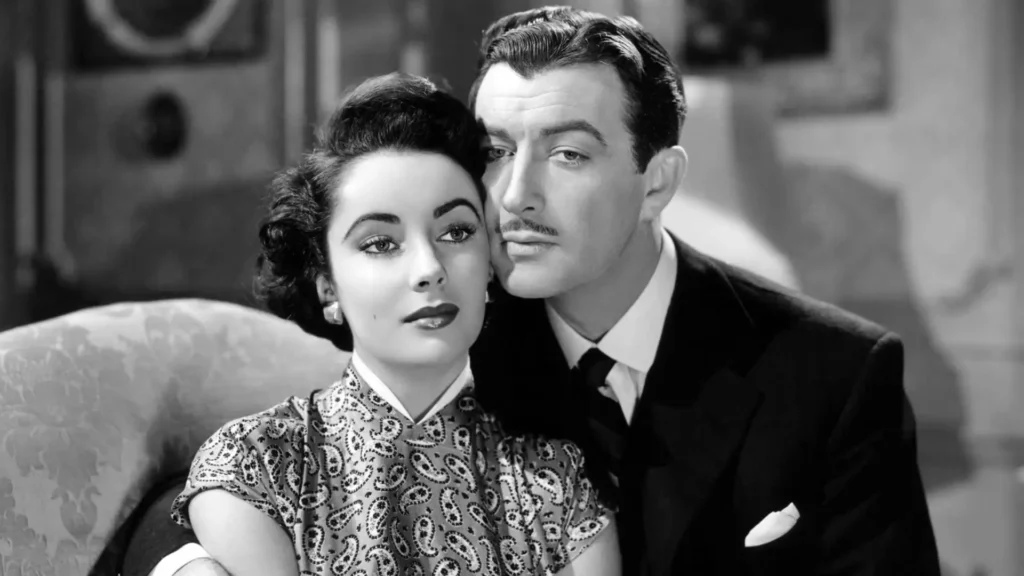
Victor Saville’s film keeps the focus on a marriage that starts to crack. Robert Taylor plays Major Michael Curragh, a respected officer who is secretly passing information to Moscow. Elizabeth Taylor plays his young American wife, who begins to notice that something about him is off, not long after they marry. Most of the story plays out at home. Phone calls come at odd times, small things do not make sense, and the truth slowly comes out. Curragh chooses his loyalty to the Party over his wife, and that choice ruins their relationship.
There was also some irony for audiences at the time. Robert Taylor had named people in Hollywood to investigators, yet here he was playing a man hiding a secret. The film left people with the uneasy thought that betrayal could be hidden in an ordinary marriage.
3. The Iron Curtain (1948)
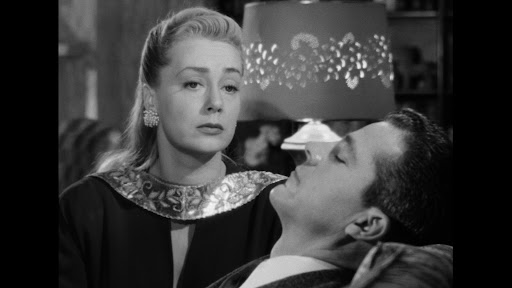
William Wellman based this film on a real case from the mid 1940s. Dana Andrews plays Igor Gouzenko, a Soviet code clerk working in Ottawa. At first, he follows orders, but things change after his wife, played by Gene Tierney, gives birth in Canada. He starts to see a different kind of life and begins to question what he serves.
Gouzenko decides to take a risk. He smuggles out papers that reveal a spy network trying to get atomic secrets. After that, he is hunted by Soviet agents who want him stopped at any cost. The film shows embassy officials as cold and controlling, ready to threaten families and push people to prove their loyalty.
Coming out at the start of the Cold War, the story hit a nerve. It turned a recent event into a warning and made it seem like the enemy could already be at work behind the scenes.
2. Walk a Crooked Mile (1948)
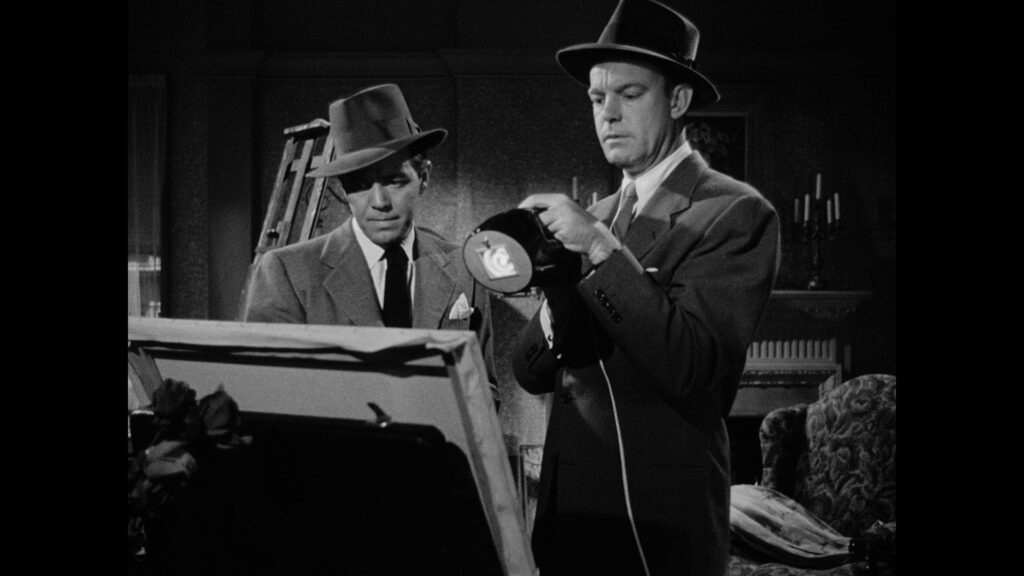
Gordon Douglas made this thriller feel close to real life. The story follows two FBI agents, played by Dennis O’Keefe and Louis Hayward, as they try to stop a spy ring stealing atomic secrets from a research site in California.
Raymond Burr plays one of the main enemies, a cold and dangerous operator who will kill without hesitation. The film uses a serious narrator and footage that looks like news reports, which makes everything feel more real. Some scenes were even shot in actual government buildings.
The story shows spies as people hiding in plain sight. They look ordinary but are working against the country from the inside. Even the FBI does not always seem in control. Viewers at the time were drawn in by that sense of danger and the idea that the threat could be close to home.
1. Ninotchka (1939)
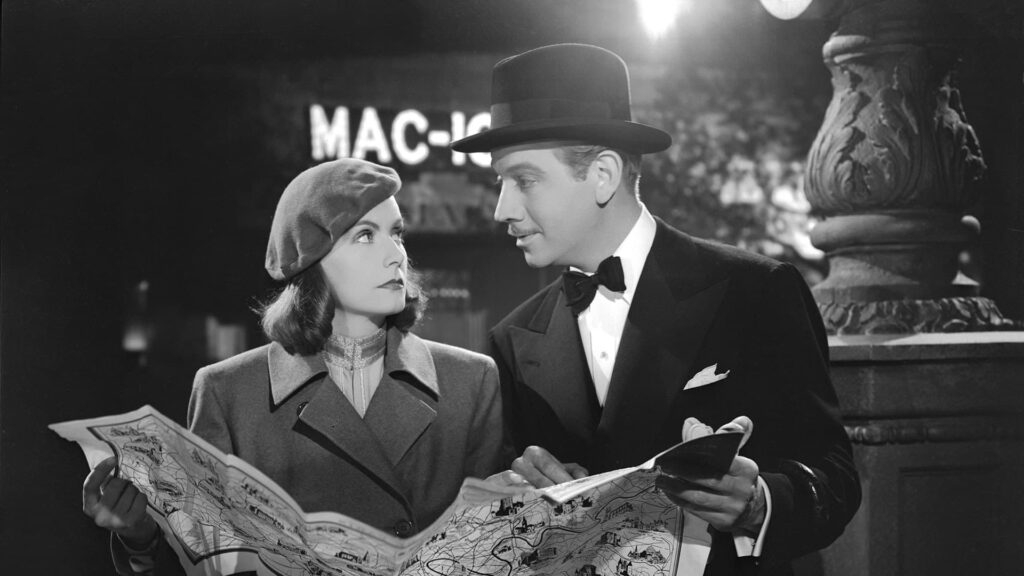
Before people were even using the term Red Scare, Ernst Lubitsch made a comedy that hinted at the idea. Greta Garbo plays Ninotchka, a strict Soviet envoy sent to Paris to sell jewels taken after the revolution. She arrives serious and focused, but the city begins to change her.
She meets a charming count, played by Melvyn Douglas, and starts to enjoy things she once looked down on, like good food, fashion, and romance. The film gets its humor from the contrast, showing Soviet officials as stiff and out of place in a lively setting.
When it was shown again after the war, audiences saw more in it. Beneath the comedy, it suggested that rigid control could drain the joy out of life, while a freer society allowed people to enjoy themselves.
You might also like to read: 10 Movies That Actually Deserve All the Hate They Get