Robert Eggers is about to go for the claws this time, and he’s doing it in the creepiest way possible. His next film, ‘Werwulf,’ is set in 13th-century England, which means the story won’t feel like a modern werewolf movie at all.
Instead, it could look and sound like the kind of nightmare people actually believed in back then: curses, betrayals, talking wolves, and brutal punishments. And the best part is, the medieval stories already have all the twisted plotlines Eggers loves; he just has to bring them to life.
Medieval Werewolf Mythology Could Inspire Robert Eggers’ ‘Werwulf’
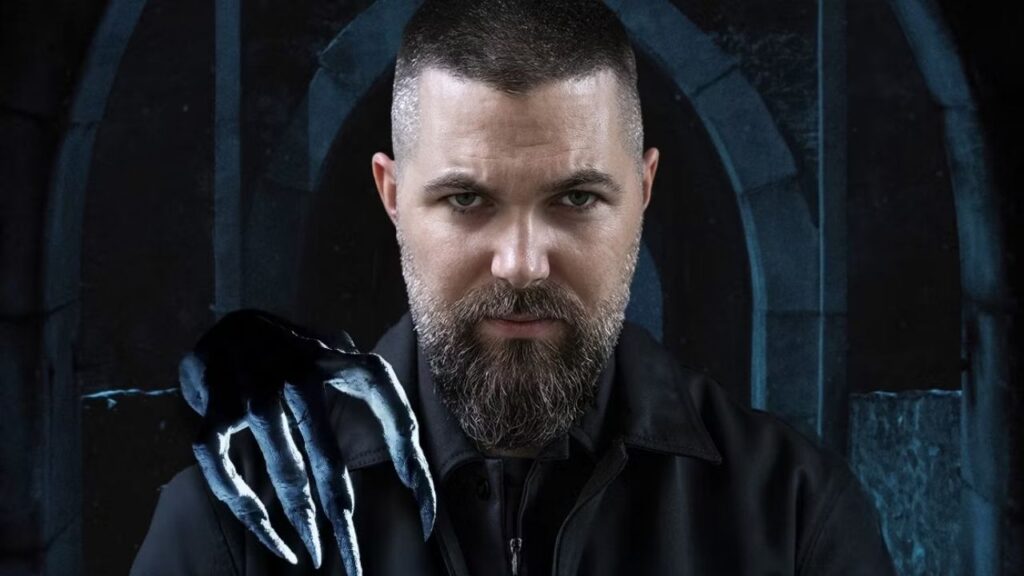
Eggers has always had a clear formula for horror: Eggers + Monster + Old-fashioned language = a film that sticks with you. That’s why fans are already excited about ‘Werwulf,’ especially since the title uses the Old English spelling of “werewolf.”
That single choice suggests Eggers will likely return to the earliest ideas of lycanthropy, long before famous werewolf films like ‘The Werewolf of London‘ and ‘The Wolf Man‘. This approach would be consistent with his past work as well.
Related: 25 Must-Watch Gothic Horror Movies Of All Time
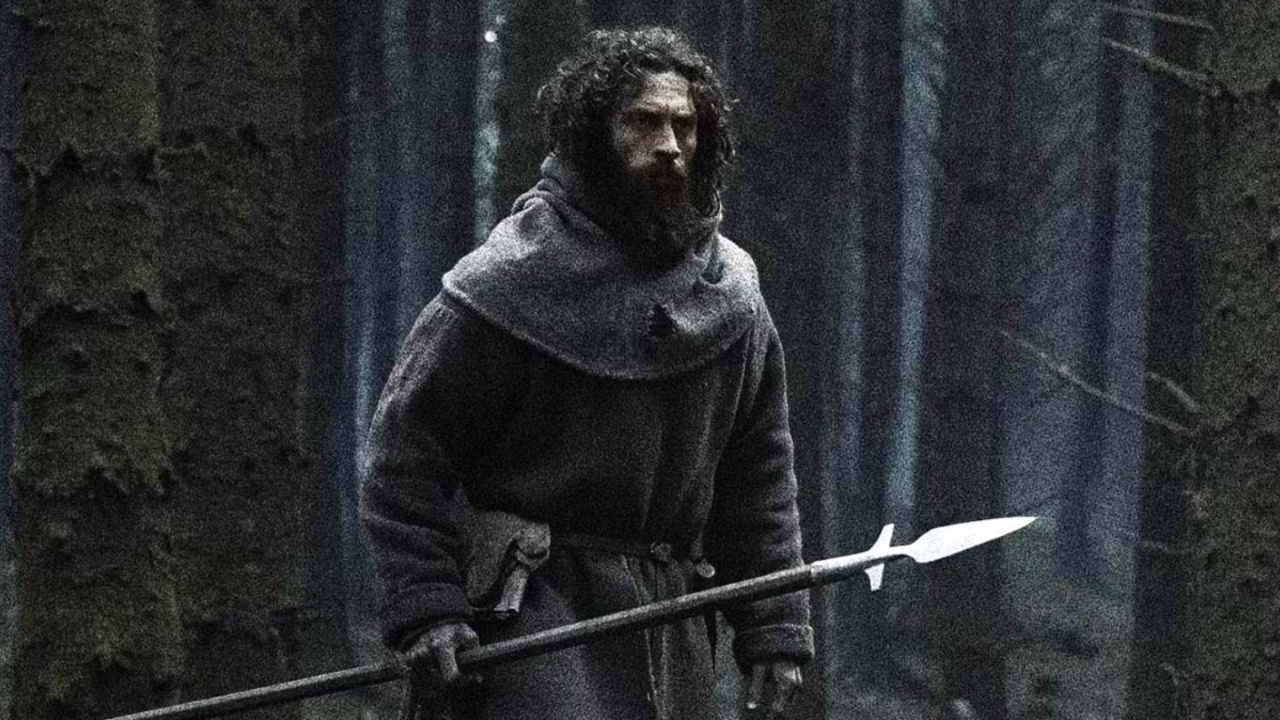
For ‘The Witch‘, Eggers drew heavily from Puritan sermons, court records, and personal journals. In ‘The Northman‘, he turned to the ur-Hamlet legend and its Norse origins. Now, with ‘Werwulf,’ he seems ready to do the same with medieval myths.
Eggers Is Returning To The Roots Of The Werewolf Myth
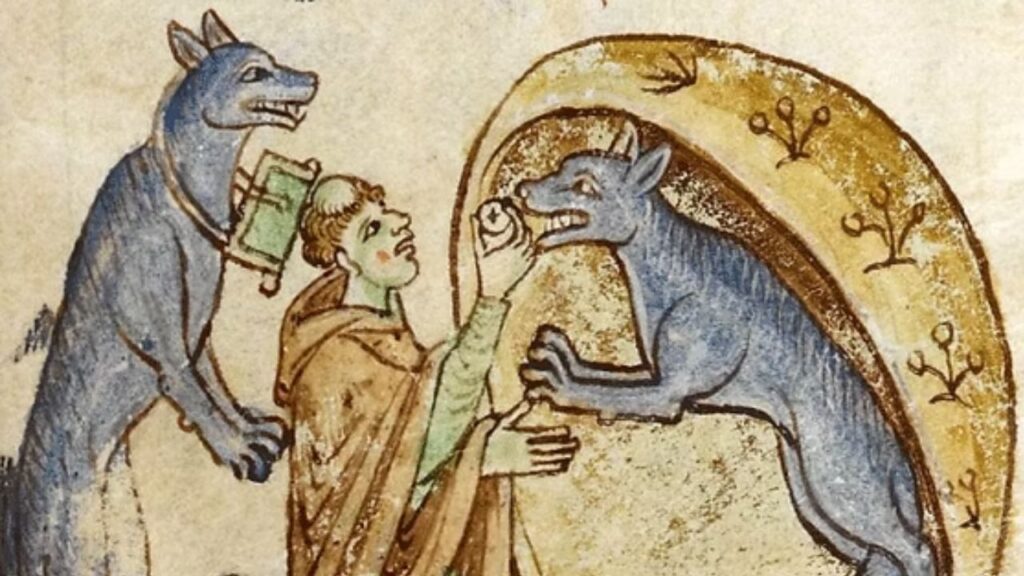
One medieval tale that feels made for Eggers is “Bisclavret,” one of the Twelve Lais by Marie de France, a French poet from the late 12th century. The story begins with a familiar yet unsettling premise. A respected baron named Bisclavret disappears for three days every week, returning without explanation. When his wife presses him, he finally reveals the truth: he transforms into a wolf during those absences.
That confession seals his fate. Horrified, his wife begins plotting against him. She turns to a knight who has long desired her and uses a crucial detail Bisclavret shares: he can only return to human form if he recovers his clothes. The knight steals them, trapping Bisclavret permanently as a wolf. With her husband gone, the wife remarries and moves on as though nothing happened.
In case you missed it: The 10 Most Disturbing Cult Horror Movies Ever Made
A year later, the king encounters a strangely gentle wolf during a hunt. The animal shows loyalty and restraint, which earns the king’s trust. He brings the wolf back to his court, sensing there’s something unusual about it. That trust is tested when the wolf suddenly attacks the knight and then the wife, tearing off her nose. At first, the king believes the wolf has turned savage.
But one of his advisors notices a pattern: the wolf only shows violence toward these two individuals. Suspicion grows, and under interrogation, the wife finally confesses to the betrayal. Once given clothes and privacy, the wolf transforms back into Bisclavret. His identity is restored, along with his lands and honor. Meanwhile, the wife and her new husband are banished, and their descendants are cursed to be born without noses.
It has all the themes Eggers has explored before. It’s easy to imagine him leaning into both the violence and the quiet tragedy at its core.
The Talking Wolf and the Curse of Ossory
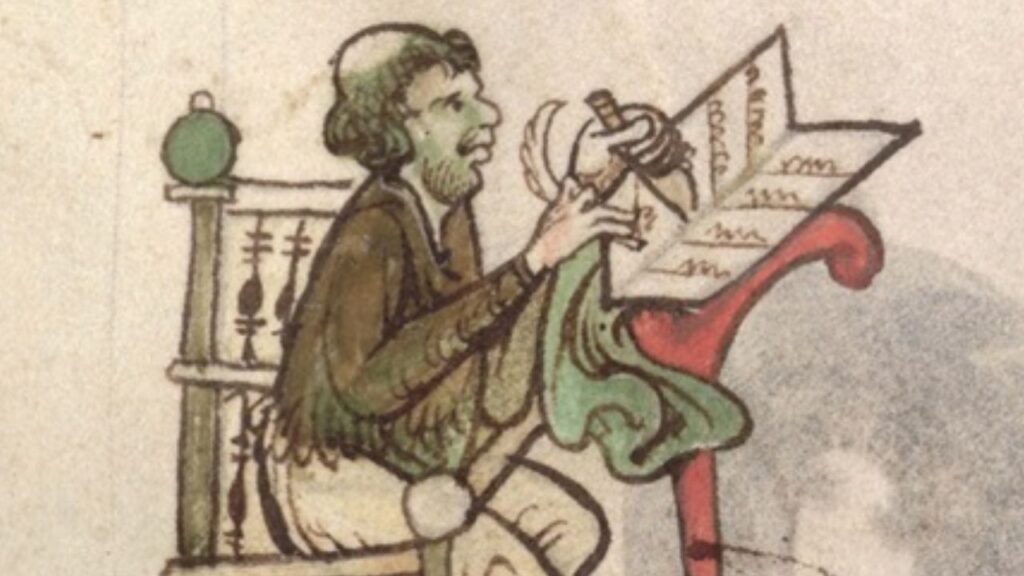
Another tale that could help Werwulf comes from Giraldus Cambrensis, or Gerald of Wales, a 12th-century priest and historian. In Topographia Hibernica, he recounts a bizarre encounter deep in the Irish wilderness. A priest and his servant are resting by a fire when a wolf approaches and begins to speak.
The creature tries to calm them, repeating that they should not be afraid. It then explains that the people of Ossory live under an ancient curse: every seven years, a man and a woman are chosen to transform into wolves and live in exile.
The wolf isn’t there to harm them. Instead, it asks the priest to perform the last rites for its dying companion. When the priest arrives, he finds not a human, but a dying she-wolf who still seems to possess human consciousness. Even then, the priest hesitates. Only when the wolf pulls back the skin of her paw does he agree to perform the ritual.
There’s less violence, but far more spiritual dread. The fear comes from the unknown, from blurred boundaries between human and animal, and from the religious beliefs that would fit seamlessly into Eggers’ style.
Medieval Belief Turned Werewolves Into Reality
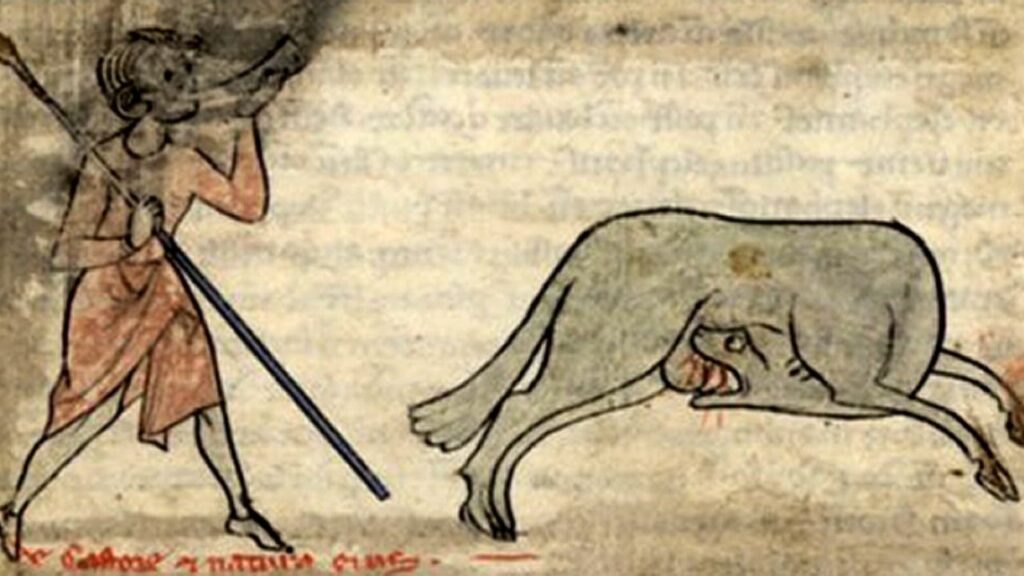
Not all medieval accounts treated werewolves as fiction. In Otia Imperialia, written by 13th-century cleric Gervase of Tilbury, werewolves are described as real, documented beings. Gervase tells the story of Raimbaud de Pouget, a disgraced knight who retreats into the woods, loses his sanity, and transforms into a wolf.
He remains in that state until a woodsman cuts off his paw; an act that turns him back into a human, leaving behind the disturbing image of a severed wolf limb becoming a human hand. He also describes Chaucevaire, a man who regularly sheds his clothes, becomes a wolf, and roams the forest before returning to human life. Gervase insists these accounts are credible, even claiming that such transformations have been witnessed in England.
These stories strip away any romanticism. Werewolves aren’t tragic heroes or cinematic monsters; they are part of a world where transformation is feared, physical, and painfully real.
All of these tales share something modern werewolf films often lose: belief. In the medieval world, these weren’t just stories; they were explanations for fear, punishment, and the unknown. That’s exactly the space Eggers thrives in. ‘Werwulf‘ doesn’t need to reinvent the werewolf.
The mythology already offers betrayal, body horror, religious fear, and moral consequence. What Eggers brings is precision; language, atmosphere, and a commitment to making the past feel uncomfortably real. If he follows the path suggested by these medieval sources, ‘Werwulf‘ won’t just be another monster movie. It could feel like stepping into a world where the curse is real.
You might also like to read: ‘Nosferatu’: Are Count Dracula And Count Orlok Same?