
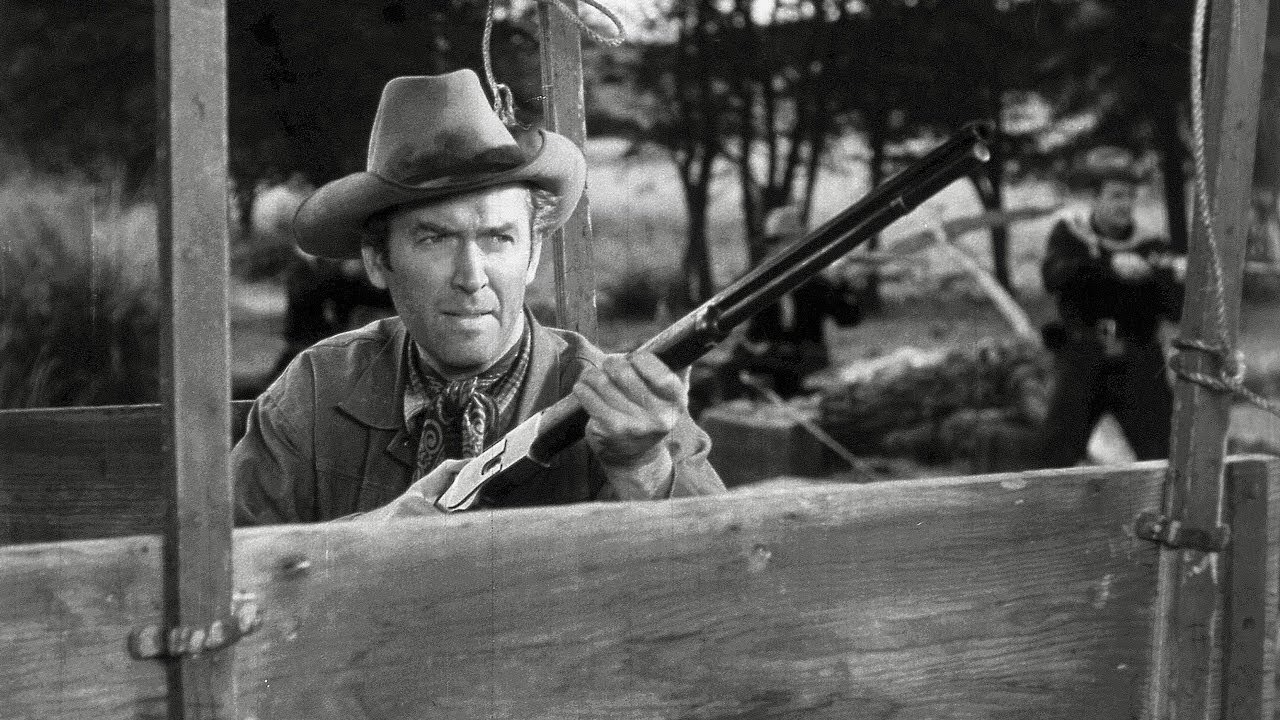
By the time 1950 rolled around, James Stewart had a problem almost nobody would have guessed at ten years earlier, back when he won the Academy Award for Best Actor for ‘The Philadelphia Story‘. The warm, drawling everyman who had won over audiences in ‘Mr. Smith Goes to Washington‘ now felt, as one retrospective put it, like “yesterday’s man,” a fallen star who couldn’t buy a hit.
The irony was rough. Stewart’s first movie after the war was ‘It’s a Wonderful Life‘, a film now seen as one of the most loved in American history. Back then, it flopped so hard it helped bring down its own production company. Things got worse from there. ‘Magic Town‘, ‘On Our Way‘, ‘Rope‘, and ‘You Gotta Stay Happy‘ all disappointed at the box office, even with big names like Alfred Hitchcock and King Vidor behind the camera.
How ‘Winchester ’73’ Became James Stewart’s Career Comeback
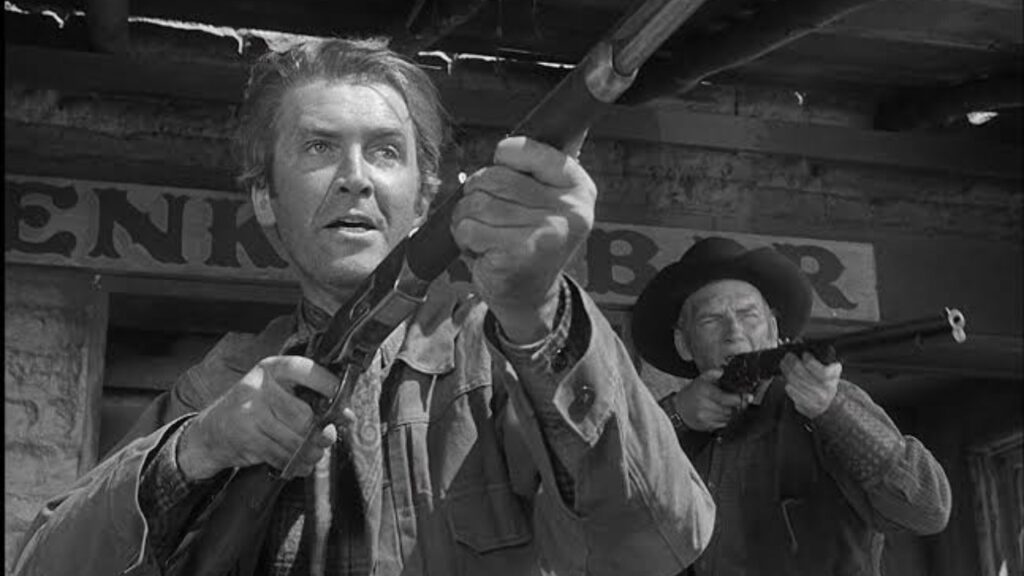
Four years after flying bombers in World War II, Stewart came back to acting older, more guarded, and stuck in the same likable roles that had made him a star in the first place. “I had three flop pictures which convinced me that I’d better do something,” Stewart later said, according to a Turner Classic Movies retrospective.
Related: The Real Reason Alfred Hitchcock and James Stewart Ended Their Legendary Partnership
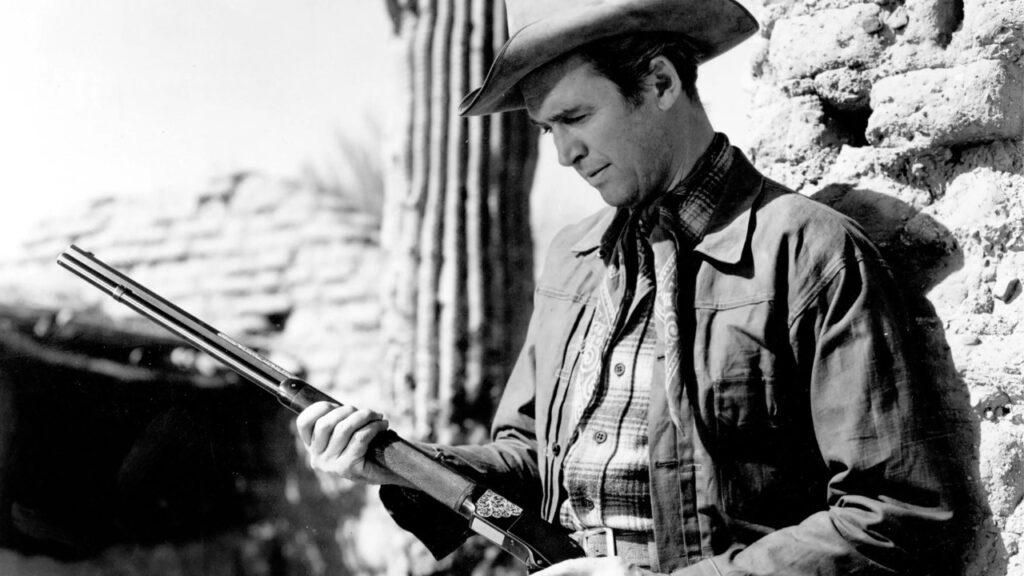
That something came when a friend introduced him to director Anthony Mann, who was putting together a Western called ‘Winchester ’73‘, set to film about 60 miles west of Tucson. Stewart later described meeting Mann as a gamble he felt he had to take. Years later, he summed the whole thing up in one line that’s been quoted often since. The picture, he said, was “a desperation move that proved a lifesaver.“
The 1950 film had Stewart playing Lin McAdam, a cowboy chasing a stolen rifle across a rough, morally messy version of the Old West, a far cry from the friendly heroes people expected from him. Film historians point to this as the start of Stewart’s darker, more layered screen persona. It was one that the actor would carry into his later films with Hitchcock, like ‘Rear Window‘ and ‘Vertigo‘. Director Martin Scorsese has said the change went beyond just one role. “If the pre-war Stewart stood for something essentially American,” he said, “the post-war Stewart stood for something truly universal,” adding that it was “difficult to think of another American star who remade his own image so thoroughly, or so bravely.“
Winchester ’73’s Profit Sharing Deal Changed Hollywood Contracts
‘Winchester ’73‘ didn’t just change how people saw Stewart. It changed how Hollywood did business. Universal wouldn’t meet his asking price of about $200,000. So his agent, Lew Wasserman, worked out something almost nobody had done before.
In case you missed it: When James Stewart Threatened One of America’s Most Notorious Mobsters
Instead of a flat salary, Stewart would get a cut of the film’s profits. It paid off big, reportedly bringing him around $600,000, and that kind of deal became the model that eventually helped break apart the old studio contract system.
James Stewart and Anthony Mann’s Western Film Partnership Legacy
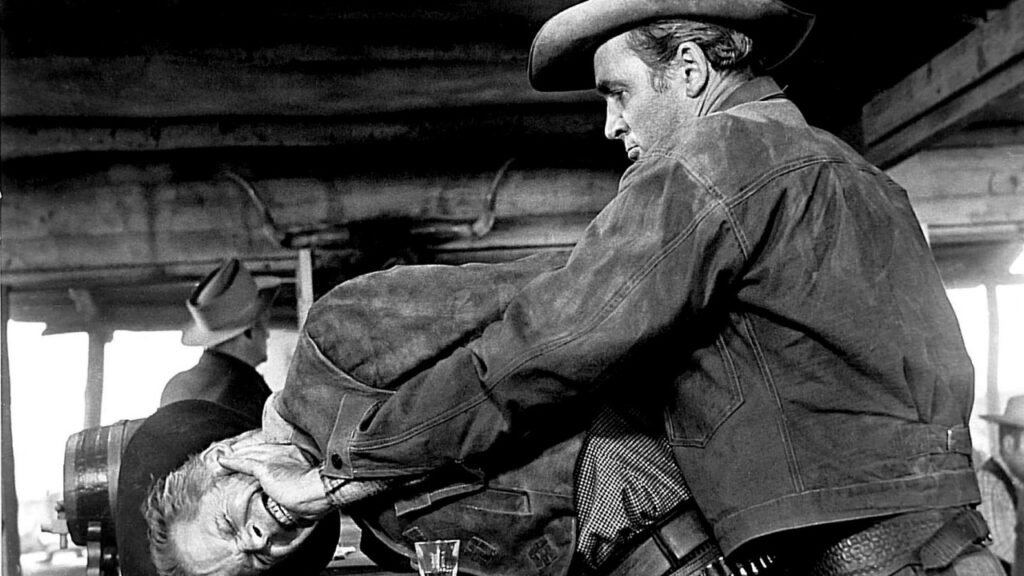
The film also kicked off a long partnership between Stewart and Mann, who made eight movies together through 1955, including ‘Bend of the River‘, ‘The Naked Spur‘, and ‘The Man from Laramie‘. Clint Eastwood, looking back on Stewart’s work in those Mann Westerns, once said Stewart had an “underlying anger” that came through strong on screen without ever turning into something over the top, a quality Eastwood felt made him such a good fit for stories built around violence and obsession.
Stewart himself put it plainly. Looking back on the run of Westerns that followed his hard postwar years, he said the genre was “the thing that saved my neck after the war,” adding, “That’s part of my good luck.” Seventy-five years on, Winchester ’73, preserved in the National Film Registry since 2015, isn’t remembered as some small footnote. It’s remembered as the turning point that quietly shaped one of the longest, most respected careers in American film.
You might also want to read: The Untold Story of What James Stewart Disliked About ‘It’s a Wonderful Life’