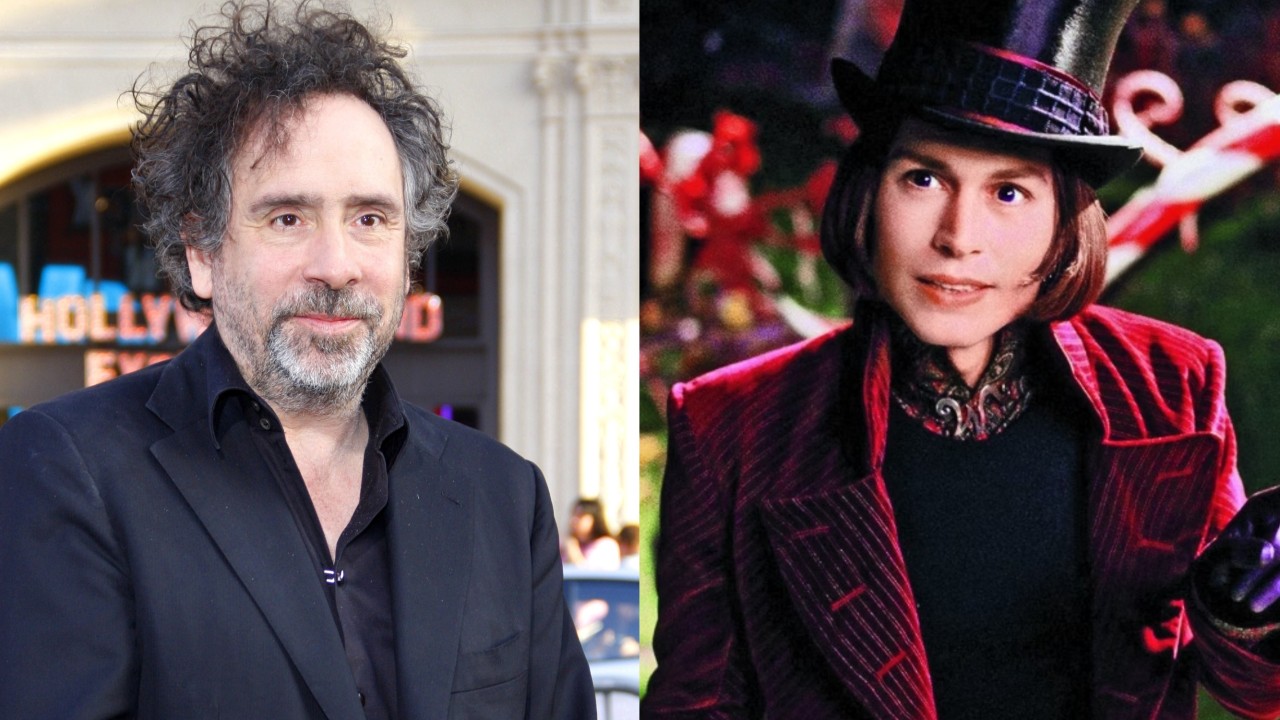
A visionary director’s dedication to the physical world might elevate even the most fantastic story into a unique cinematic experience. Choosing not to take shortcuts with digital effects while recreating Roald Dahl‘s story, the production team transformed a notoriously difficult shoot into a legendary stunt by creating a stunning ‘Charlie and the Chocolate Factory’ sequence with actual animals rather than the virtual ones used by Tim Burton.
Thus, it is safe to say that such strict devotion to practical effects helped create the ultimate stunt, which went against everything Hollywood knew about filmmaking for several decades. Such devotion to authenticity, of course, required overcoming numerous logistical challenges, which previous attempts to recreate such scenes have openly skipped. Choosing real-world mechanics over a purely digital environment helped the film capture a feeling that digital pixels simply cannot replicate.
Practical Effect Behind The Nut Room Choreography
When shooting the 1971 adaptation, producers replaced Dahl’s special squirrel egg-sorters with golden geese because they deemed squirrels impossible to train.
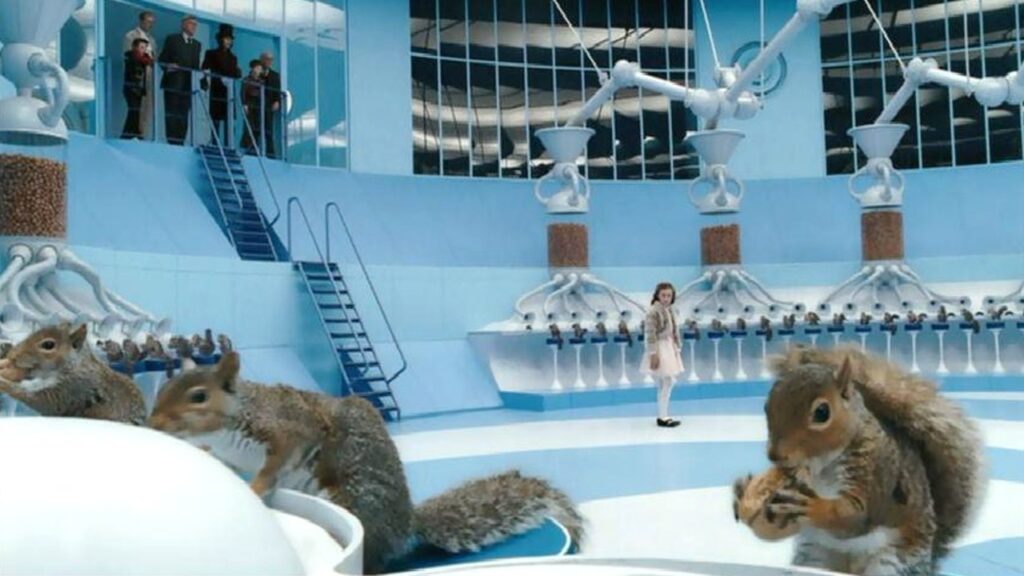
In the 2005 version, however, an animal trainer, Michael Alexander, devoted 19 weeks to the conditioning of exactly 40 actual squirrels for the filming of the complex scene.
Related: 10 Fantasy Movies With Brutally Best Final Battles
The precise conditioning has trained these animals to sit still on blue chairs and to tap each walnut, separating it from the shells.
While the final product increases the number of CGI rodents to 100, the core scene remains absolutely realistic, as the director found computer-generated animals too heavy and unpredictable for the scene.
Veruca Salt And The Payoff Of The Bad Nut Test
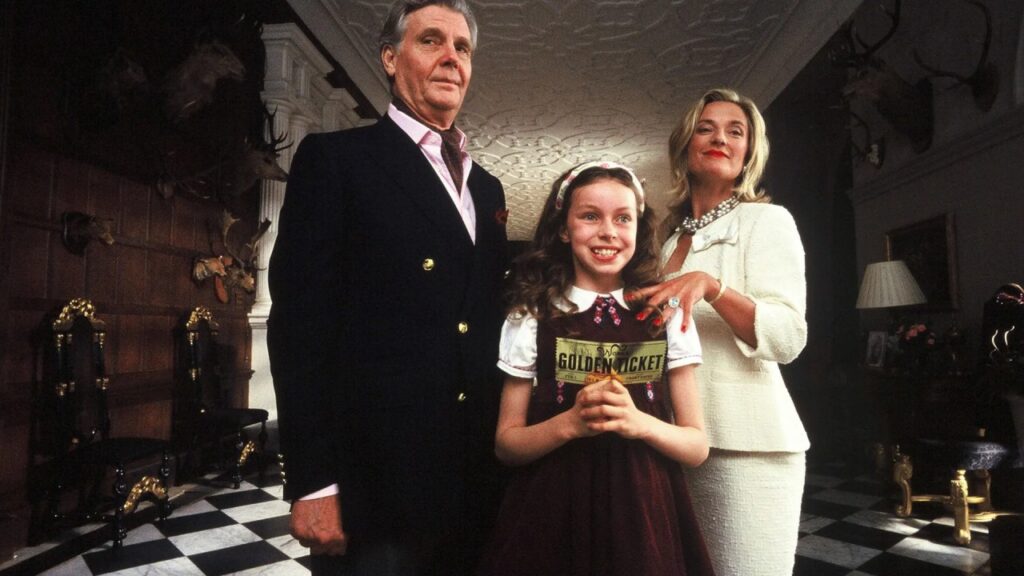
Such devotion to physical realism paid off perfectly in the dramatic fall of Veruca Salt. When she asks for one of the squirrels, she goes to their workspace but is instantly swarmed and tested by them.
The fact that the animals call her “bad nut” is a perfect example of a narrative device that echoes Dahl’s harsh moral commentary on the flaws of the modern parental system and people’s greed.
Such a scene remains unique in the cinema of the 2000s for its unusual realism. It serves as the ultimate dark moral lesson, in which the factory’s threats become instruments of organized mess.
In Case You Missed It: The Most Perfect Casting Decisions in Fantasy TV History
Just as excessive stubbornness swells Violet Beauregarde into a giant blueberry, an even more merciless punishment awaits Veruca Salt, who plummets down the factory’s garbage chute.
Ultimately, the use of live animals rather than computer-generated imagery lends a shocking physicality to the surreal punishments depicted in ‘Charlie and the Chocolate Factory.‘
The factory inflicts punishments that fit each child perfectly. Their individual greed gets the better of them, transforming them into literal trash or forcing them to suffer—and without a cushion of CGI technology to soften the blows, these surreal penalties feel shockingly real.
You Might Also Like To Read: 15 Best Daytime Horror Films, Ranked