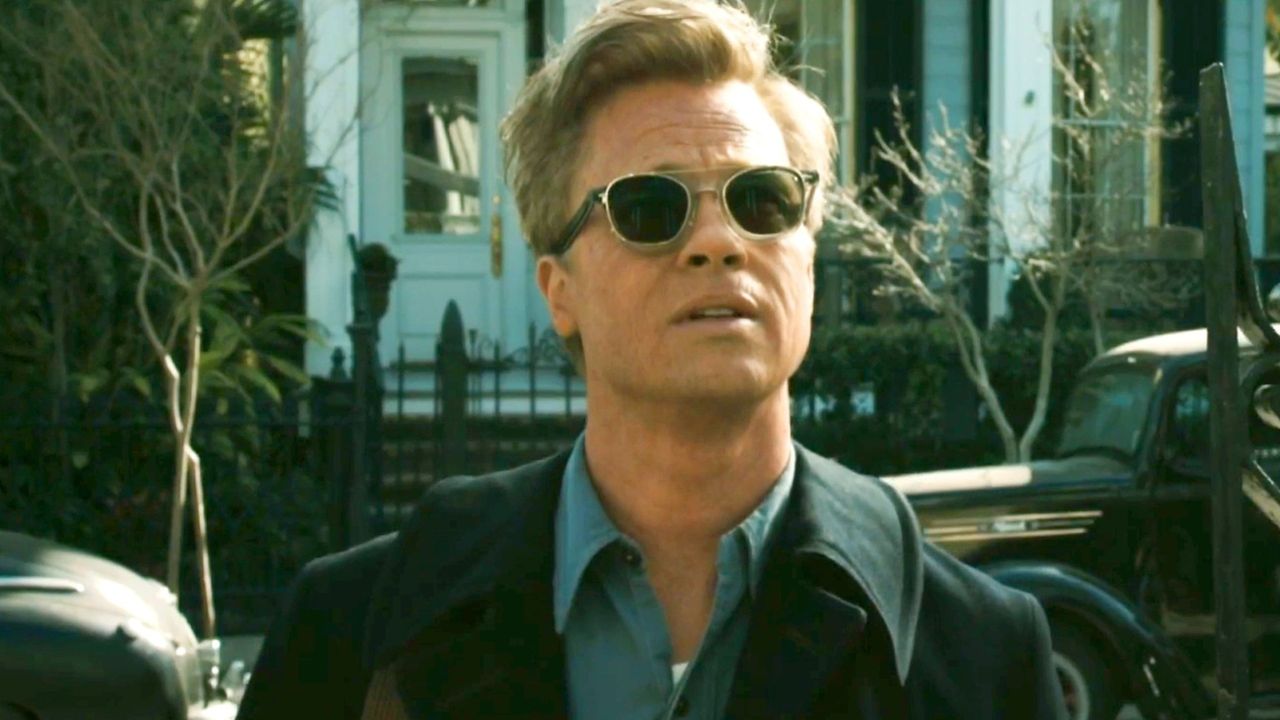
David Fincher’s ‘The Curious Case of Benjamin Button‘ pushed the boundaries of cinematic technology, using groundbreaking visual effects to let Brad Pitt portray a man aging backward. It seemed like Hollywood magic could achieve anything, but even the most ambitious blockbusters often collided with reality at some point.
Fincher’s movie suffered the same fate. When the production entered its final, most delicate phase, he had to make a high-stakes decision that threatened to alter the film’s entire visual fabric. What began as a massive production challenge, however, ultimately transformed the movie’s climax. But instead of a catastrophe, this sudden pivot completely reshaped the emotional weight of Benjamin’s last moments. Here’s how it all played out.
Why Brad Pitt Couldn’t Play Benjamin To The End
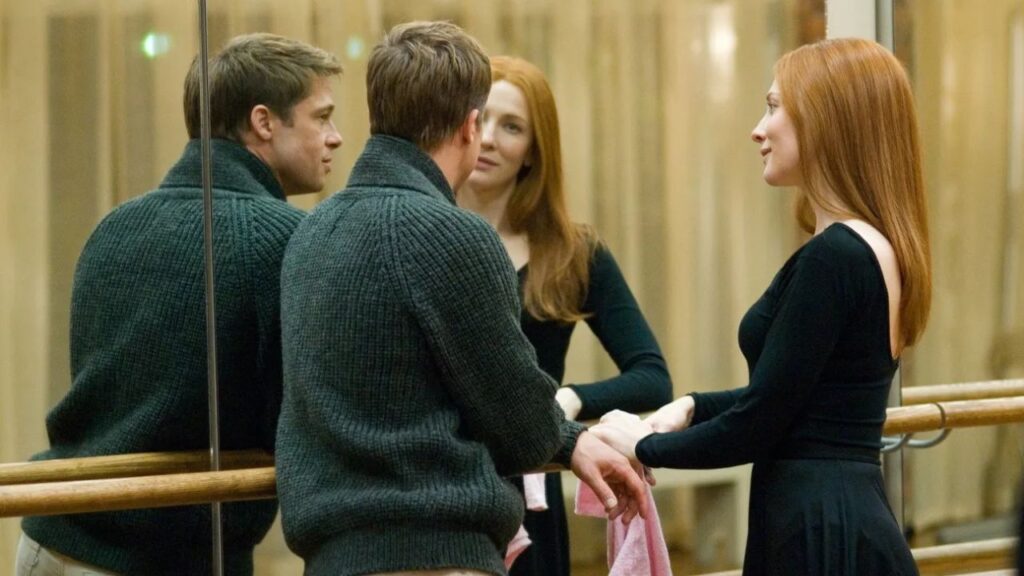
David Fincher admitted that when he started filming ‘The Curious Case of Benjamin Button,’ he knew visual effects would be very expensive. Nevertheless, he decided to pursue his passion project and cast Brad Pitt as a man aging backward in time. Pitt played almost every stage of Benjamin Button’s life except for the scenes depicting the character’s infancy.
Related: Angelina Jolie And Brad Pitt’s 24-Year-Old Son Files Legal Documents To Drop ‘Pitt’ From Last Name
By this point, Fincher and his crew had accomplished a lot by creating a complex character whose appearance changes significantly throughout the story. However, recreating Benjamin’s face through visual effects during his childhood and infancy would have been prohibitively expensive.
And that’s what prompted the filmmaker to cast different child actors for the role instead. These young actors portrayed Benjamin in the final stages of his life. This decision showed just how ambitious the movie’s special effects were.
The director’s decision made Benjamin’s farewell to Daisy (Cate Blanchett) appear remarkably convincing. It perfectly mirrored the character’s fading memories and vulnerability as his former self slipped away, making his final, poignant moments with Daisy feel deeply natural and heartbreaking.
Fincher Felt The Switch Strengthened The Film
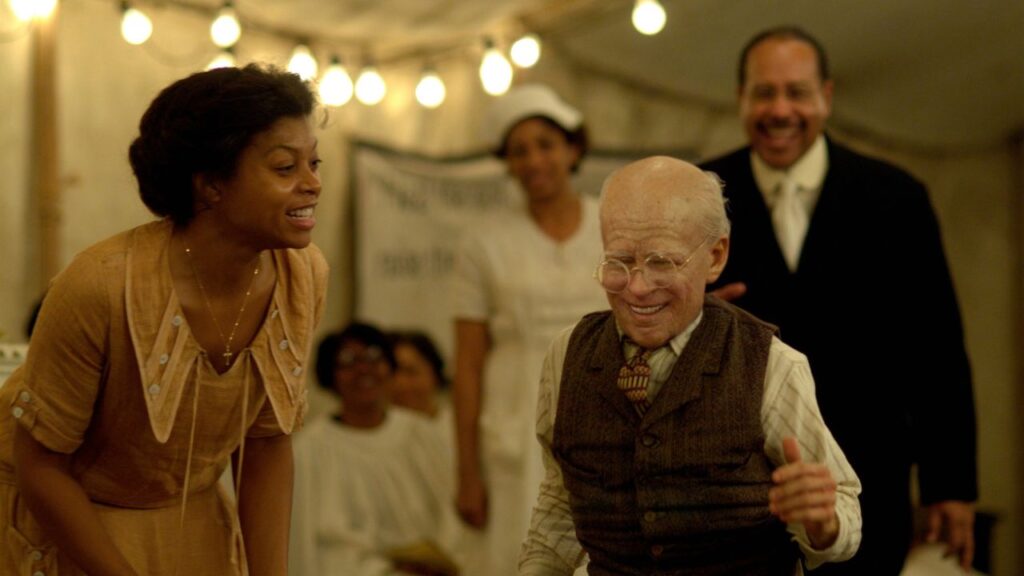
According to Fincher, having different actors portray Benjamin during the character’s final stages added a powerful emotional aspect to the story. The change underscored the character’s significant transformation. It helped audiences recognize that the man they had followed throughout the film was gradually fading away and becoming someone fundamentally different.
In Fincher’s view, Benjamin was no longer the same person by the time he reached infancy and childhood, making it a natural choice to cast different performers to portray him. The director also believed that retaining Pitt’s likeness until the very end might have distracted viewers from the emotional weight of the scenes.
In case you missed it: Brad Pitt Thought Leonardo DiCaprio’s Parents Were Extras in ‘Once Upon a Time in Hollywood’
The switch to younger actors allowed the audience to focus on Benjamin’s vulnerability and declining consciousness, making his ultimate moments with Daisy feel even more touching yet soul-crushing. In the end, budget constraints birthed a profound narrative choice, trading digital spectacle for the raw, human heartbreak of Benjamin’s final fade. Do you think the move paid off?
You might also like to read: ‘She’s So Good!’: Pete Davidson Makes Surprising Confession About Kim Kardashian Years After Their Split